THE LOOK LIBRARY
Find a look to make your own. Everyday favourites, occasion ideas and a little room to experiment. Choose a guide, then make it work for you.
Makeup looks Hair Nails The trend edit Tools & kit
Search these guides
Models featuredAll guides Plus-size Petite OccasionAny occasion Everyday Work Wedding Evening Celebration
TimeAny time 5 minutes Up to 10 min Up to 20 min Up to 30 min
SkillAny level Beginner Some practice
FinishAny finish Satin Dewy Soft matte Shimmer
137 guides to explore
Reset filters
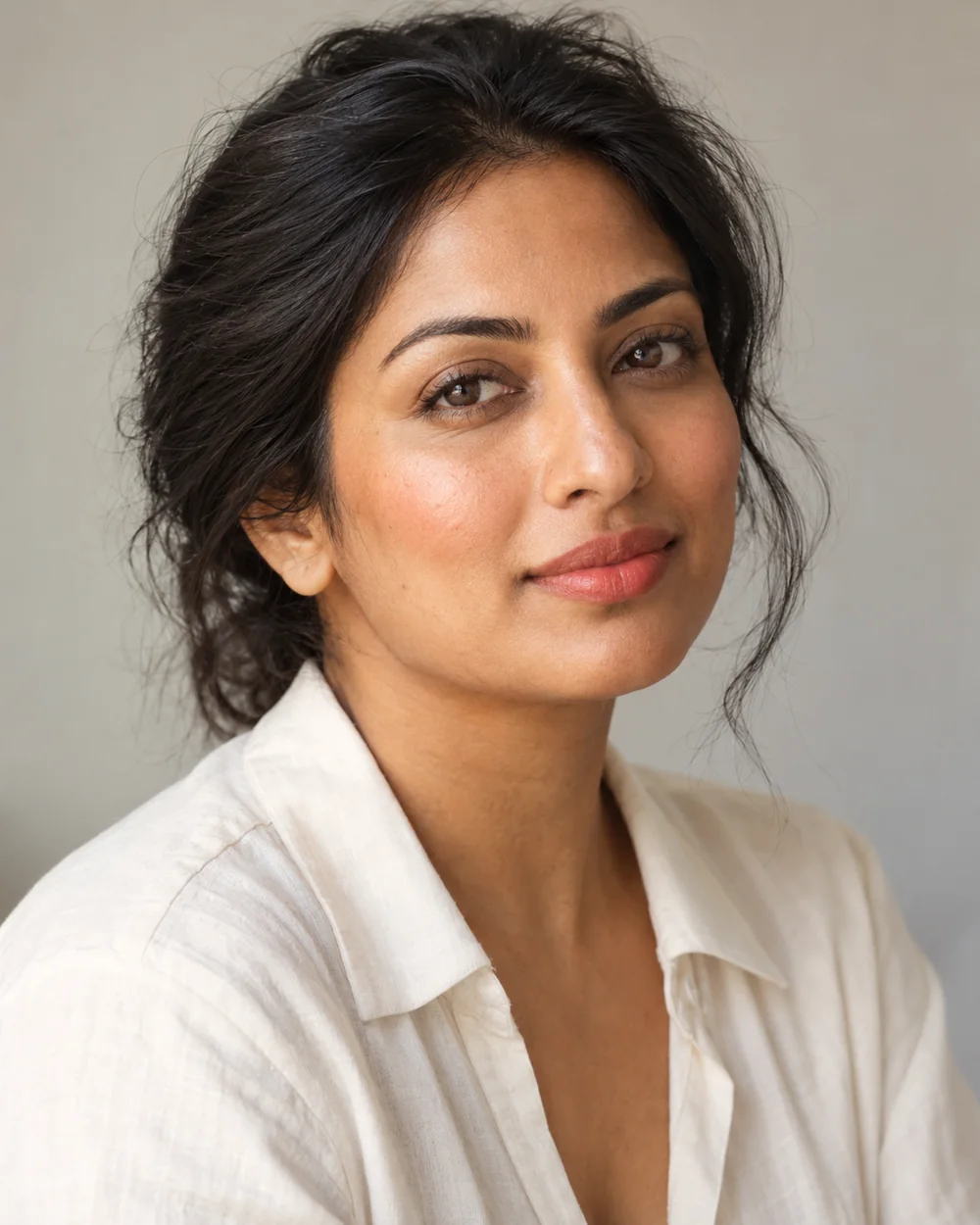
Everyday · 5 min routine
Choose coral by its brightness and depth first: clear coral for a vivid focal lip, muted coral for softer contrast, or deeper coral for richer warmth.
Beginner · Satin ♡ Save
Statement · 5 min routine
Use a lip-intended rose or neutral pearlescent formula in a thin layer, then keep the surrounding makeup quiet enough for its reflection to show.
Beginner · Pearlescent ♡ Save
Statement · 5 min routine
Give pastel blue the lid area and silver a narrow upper-lash accent; keep their boundaries separate and adjust the blue's depth to your preference.
Beginner · Reflective ♡ Save
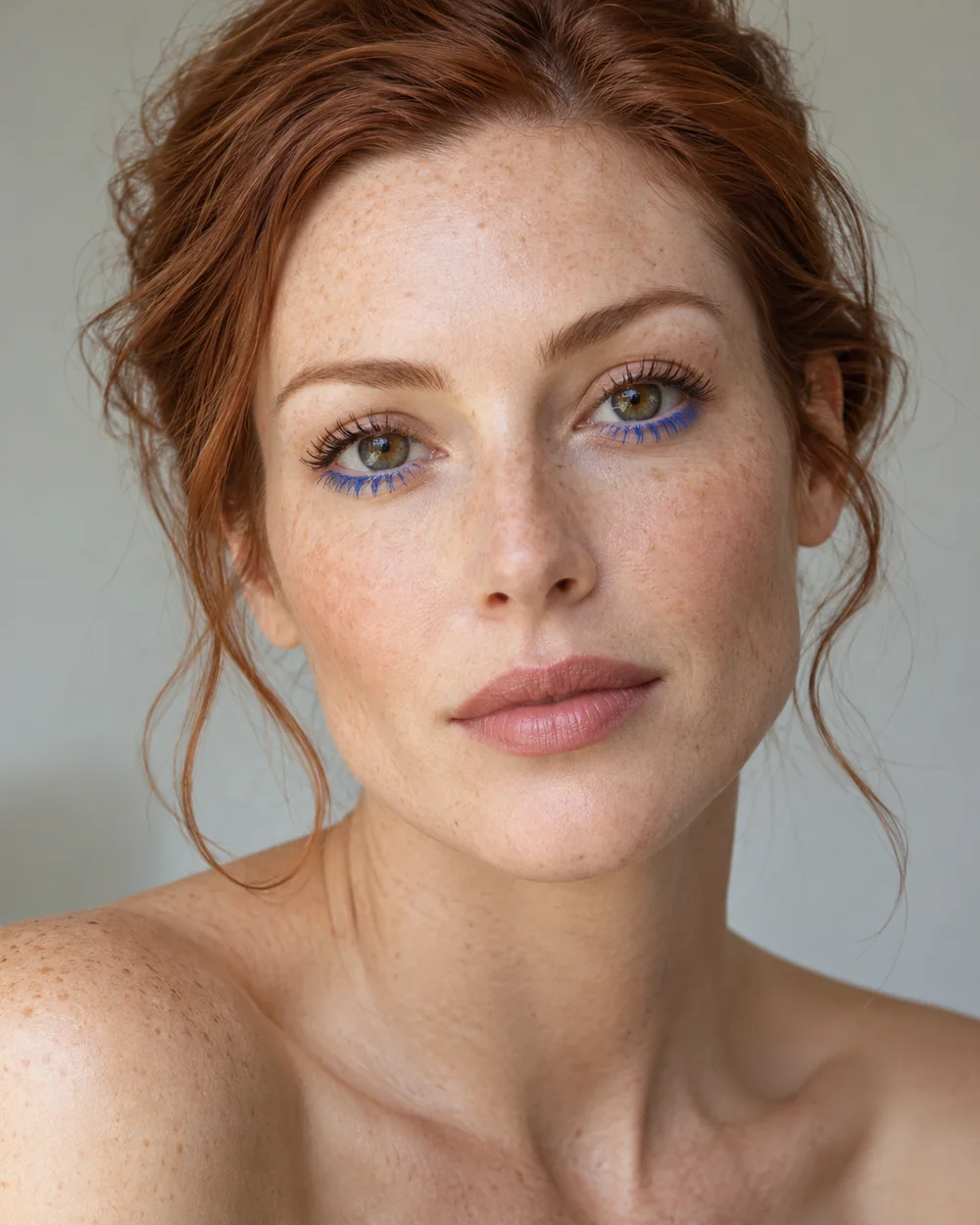
Statement · 5 min routine
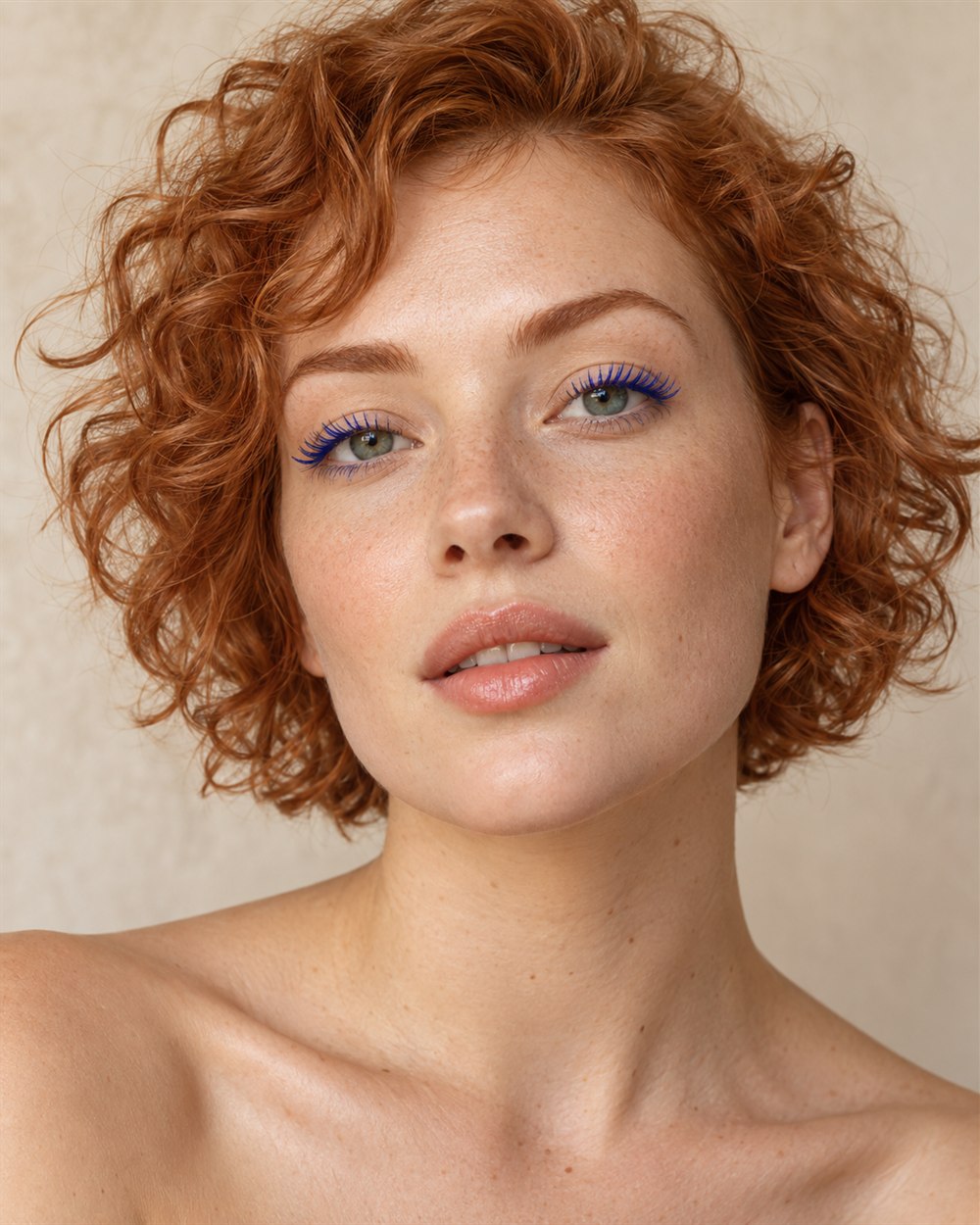
Put one mascara colour on the upper lashes and another on the lower lashes; keep the formulas on separate lash groups rather than stacking them together.
Beginner · Defined lashes ♡ Save
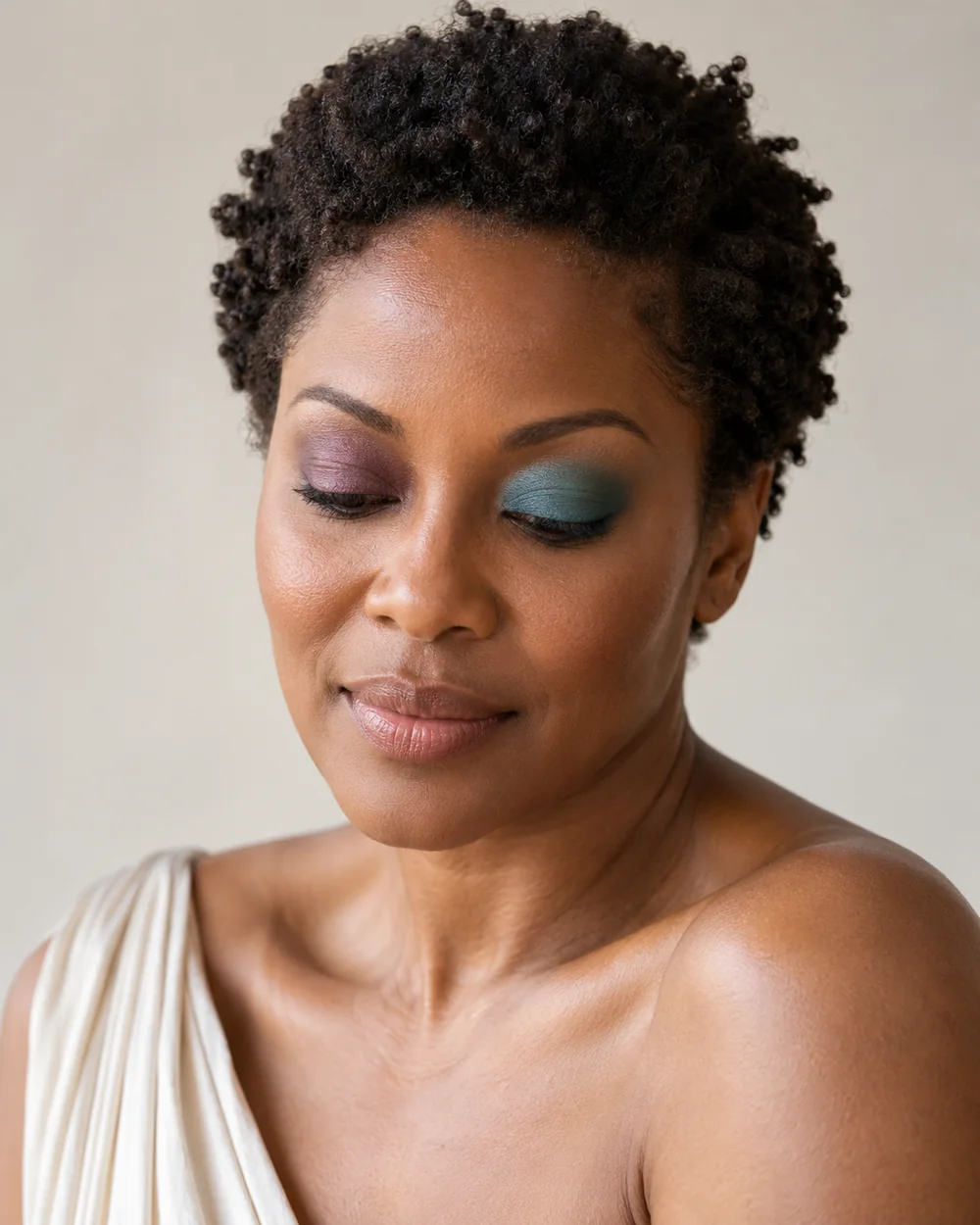
Statement · 5 min routine
Keep the shape and intensity similar on both eyes, then change one colour: a plum lid on one side and a teal lid on the other can look deliberately mismatched.
Beginner · Soft shimmer ♡ Save
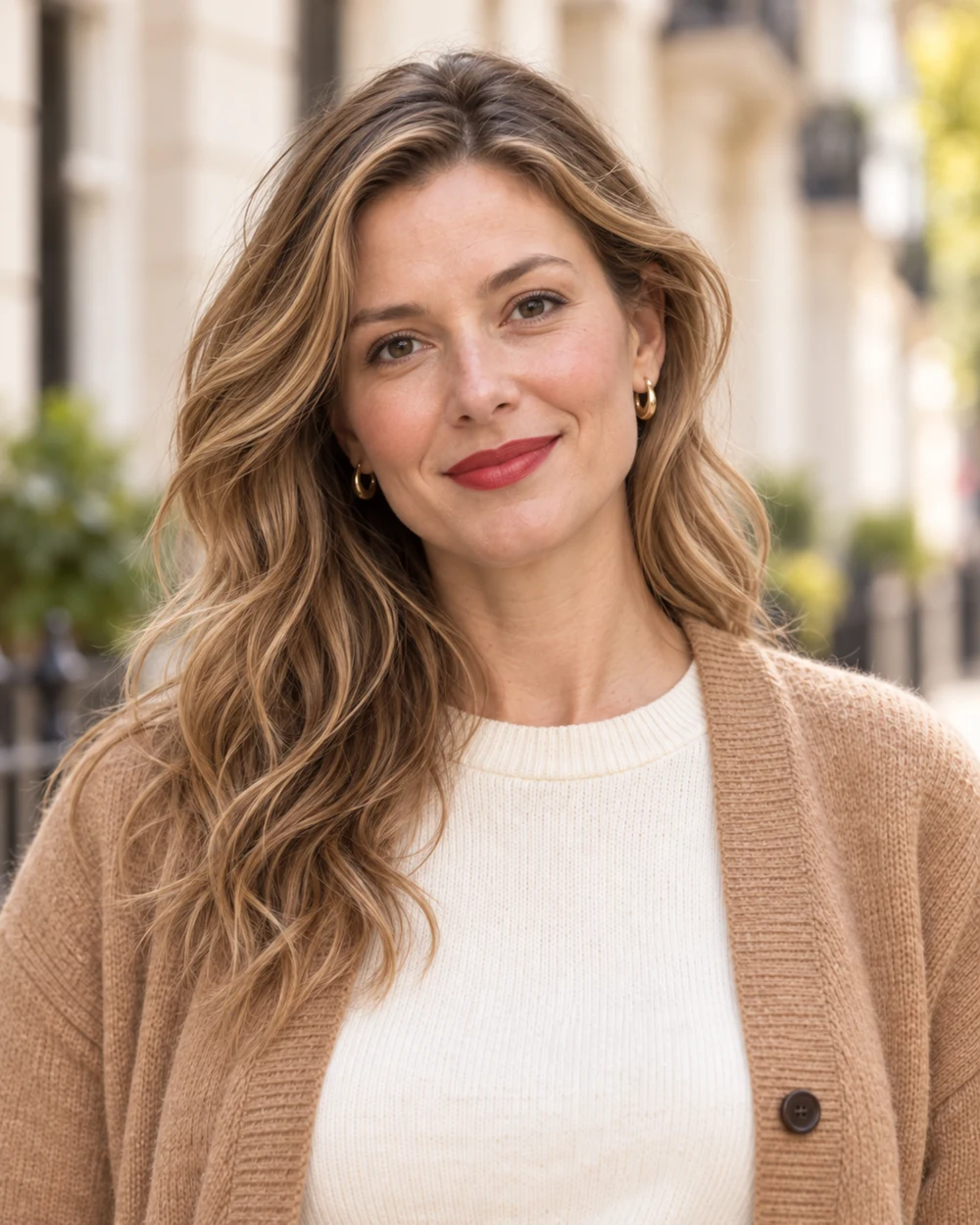
Celebrity inspiration · 20 min routine
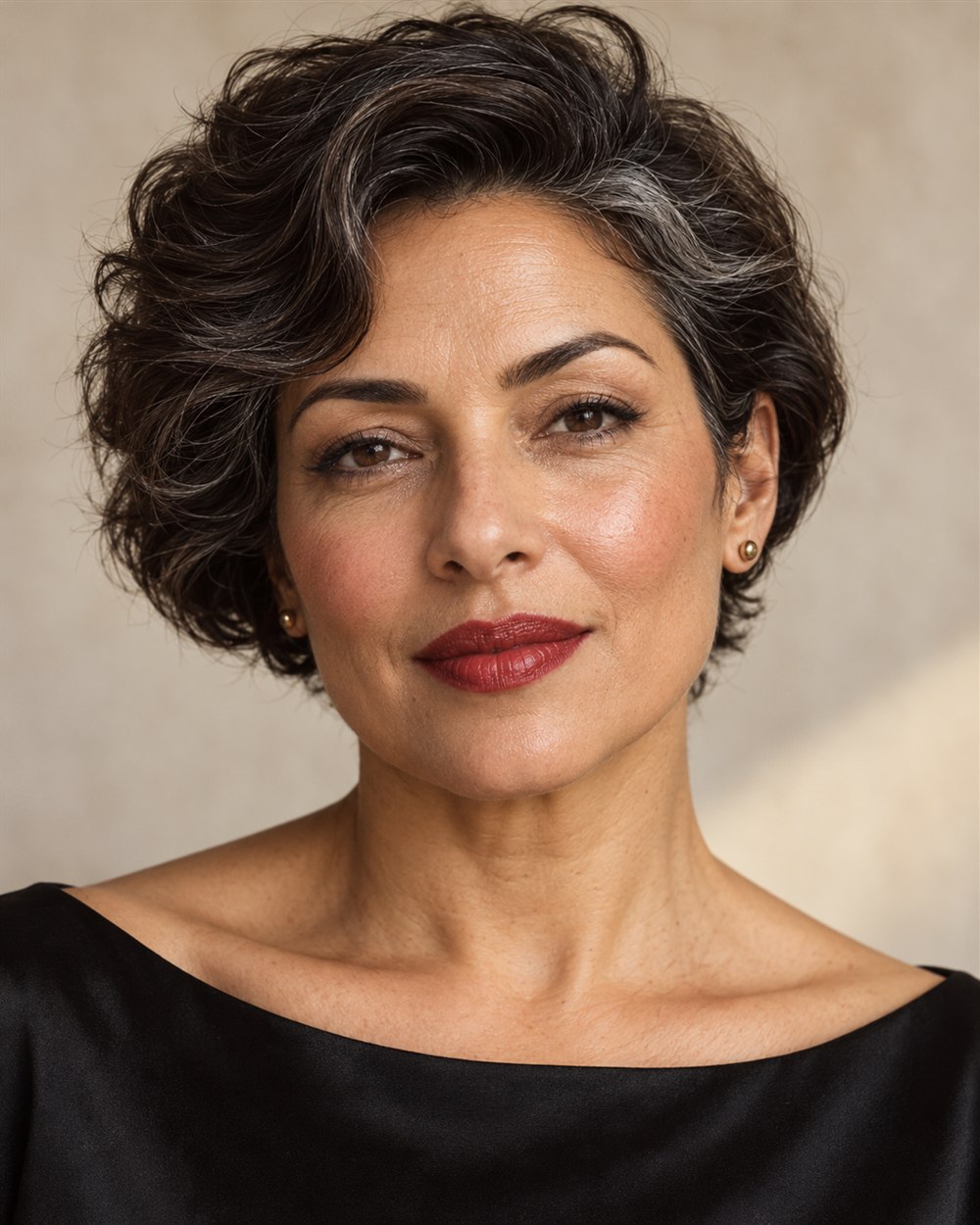
Pair a deliberate red lip with quiet coverage and an optional narrow upper-lash line.
Beginner · Satin ♡ Save
Celebrity inspiration · 20 min routine
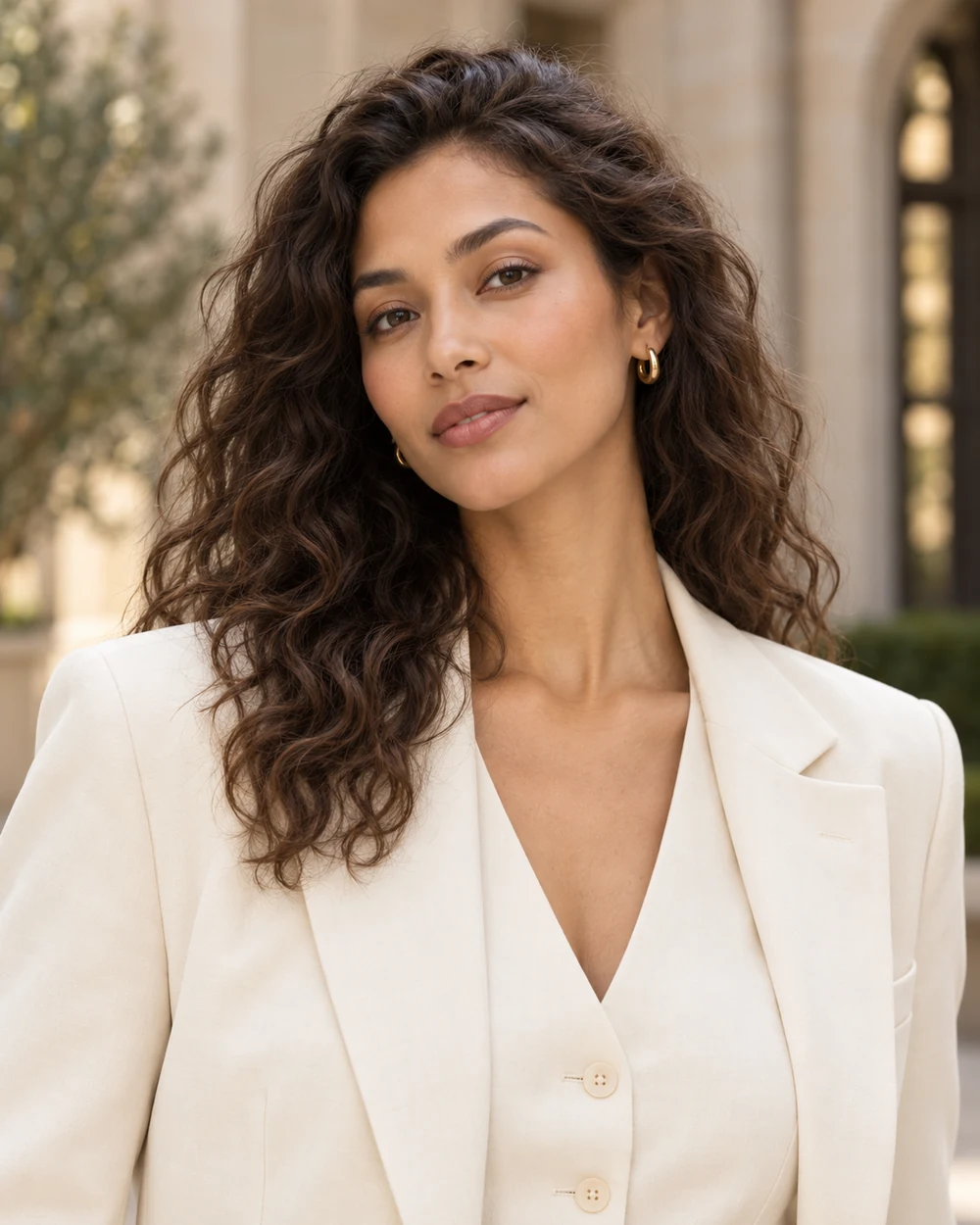
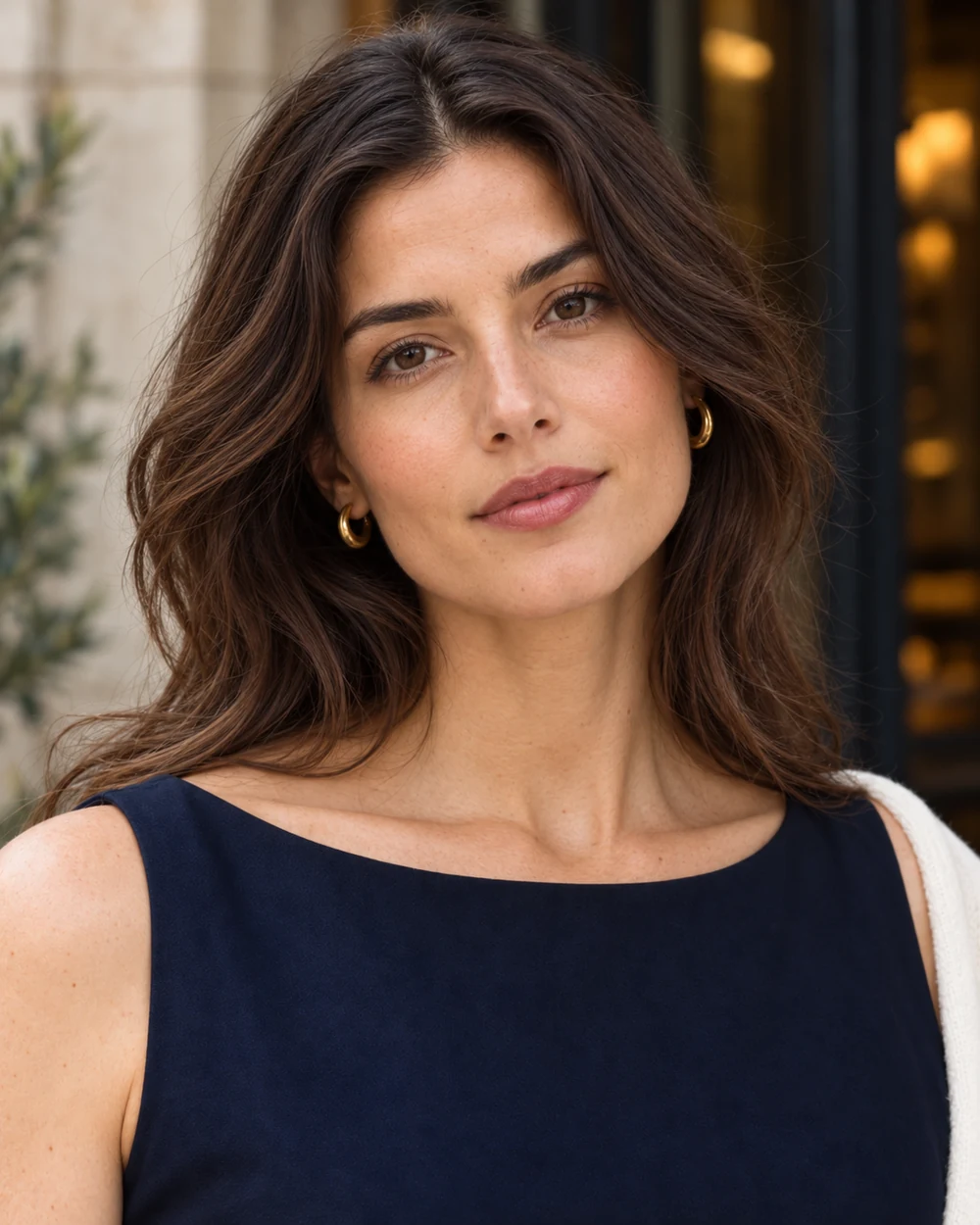
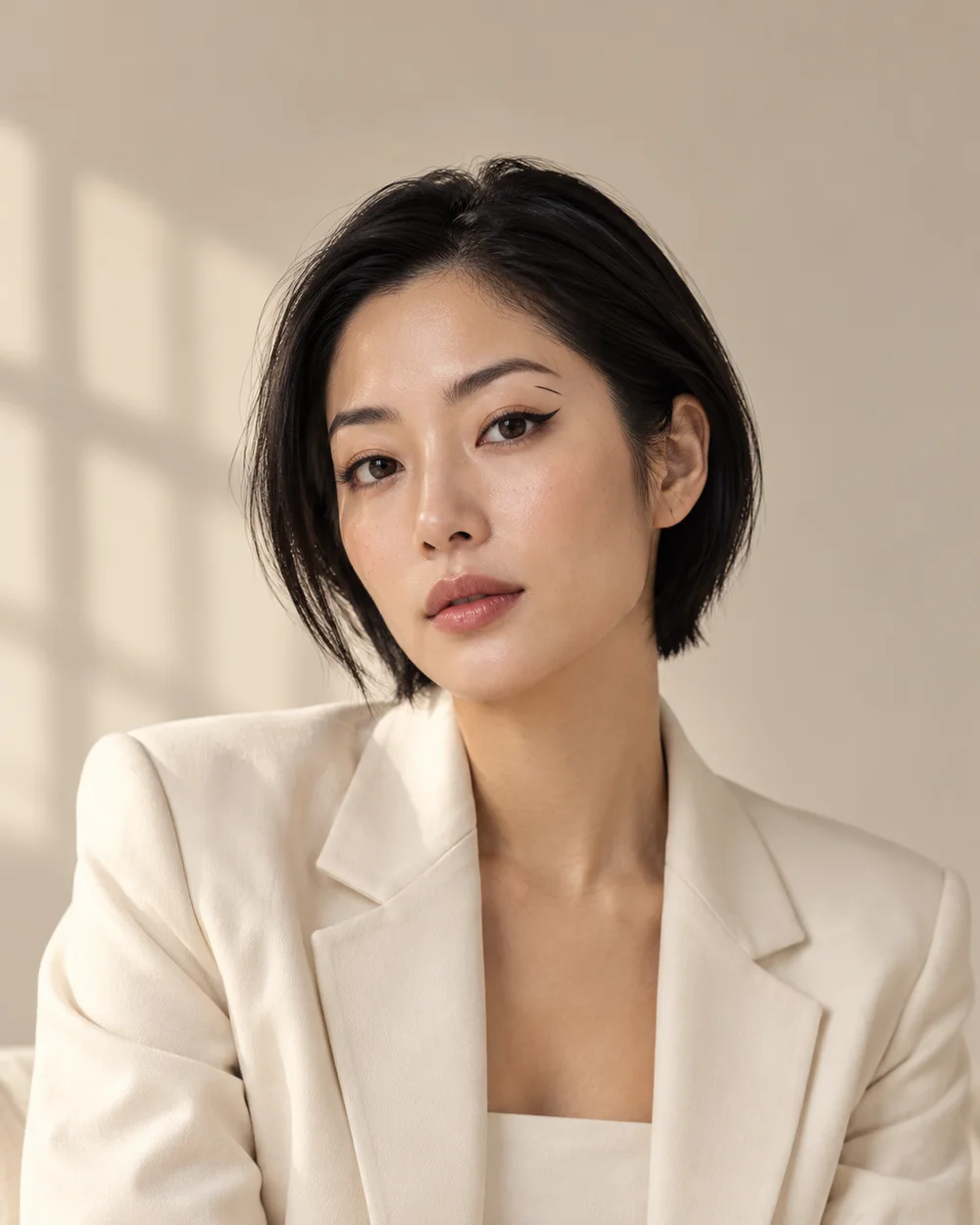
A soft bronze eye and restrained lip designed to complement a pale tailored outfit.
Some practice · Shimmer ♡ Save
Celebrity inspiration · 20 min routine
Let a defined red or berry lip lead a softly shaded eye and a selective skin finish.
Beginner · Satin ♡ Save
Celebrity inspiration · 15 min routine
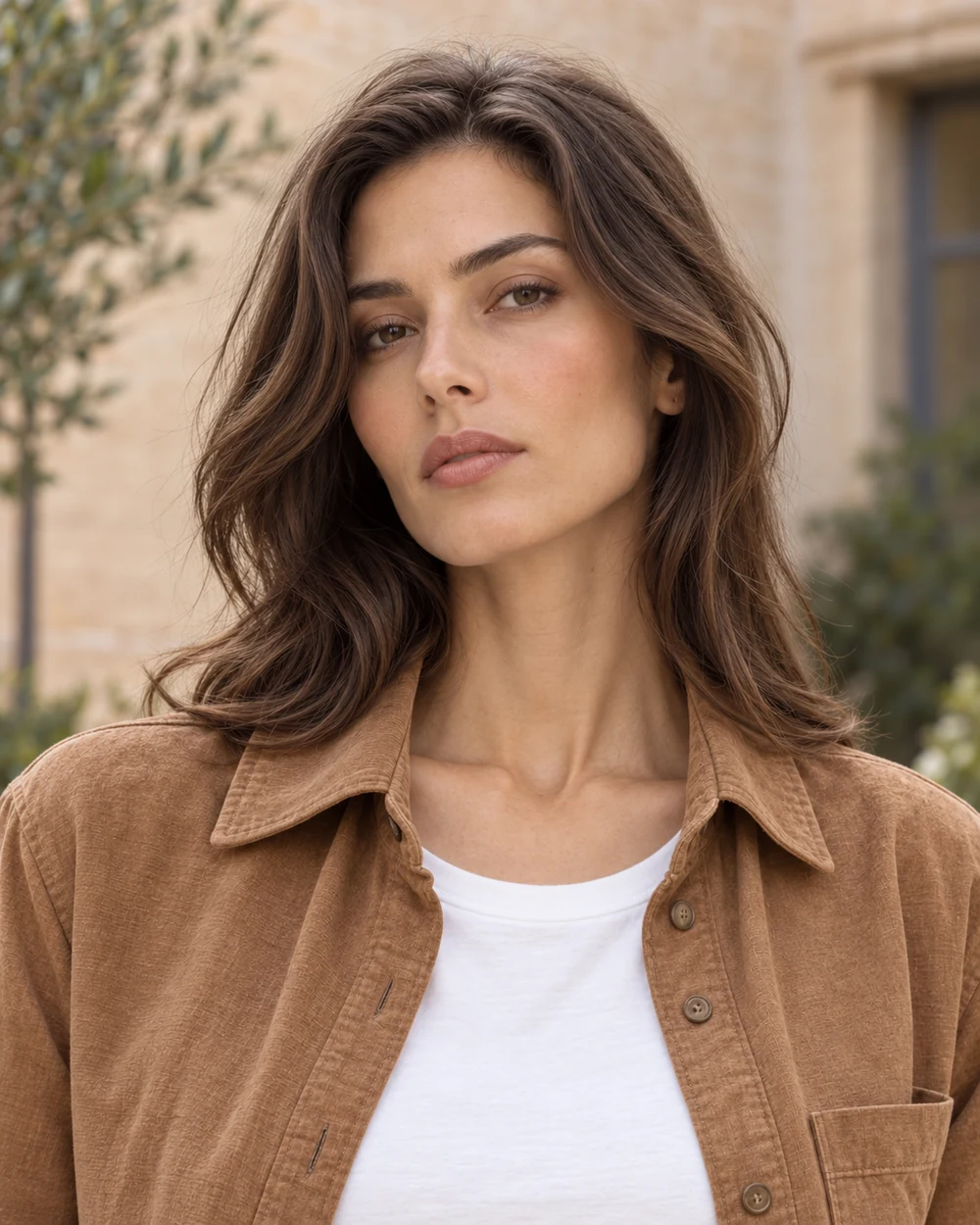
Soft brown eye definition, selective sheen and an easy lip finish to pair with neutral tailoring.
Beginner · Dewy ♡ Save
Celebrity inspiration · 20 min routine
Let rosy cheek colour lead a softly reflective eye and a lip from a related colour family.
Beginner · Satin ♡ Save
Celebrity inspiration · 20 min routine
Use a contained brown or charcoal upper-lid shape, a softened boundary and a quieter lip.
Some practice · Soft matte ♡ Save
Celebrity inspiration · 20 min routine
Keep the wing short and readable with your eyes open, then balance it with a soft rose-brown lip.
Some practice · Satin ♡ Save
Celebrity inspiration · 20 min routine
Use taupe as a contained lid wash, then keep the cheek and lip warm enough to sit comfortably beside indigo and tan.
Beginner · Satin ♡ Save
Celebrity inspiration · 20 min routine
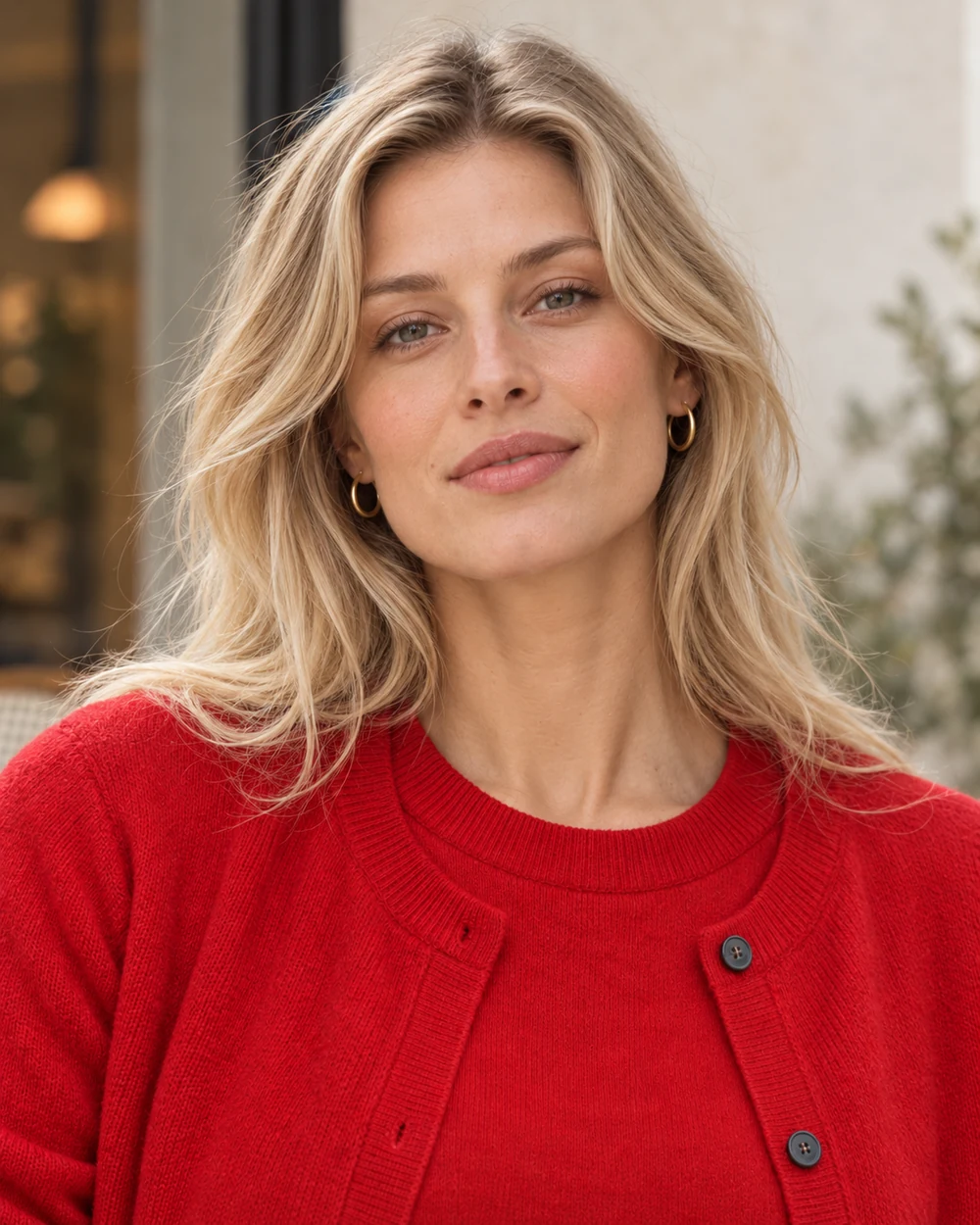
Give peach blush one deliberate place on the cheeks, with a quiet lid and sheer lip beside the red knit.
Beginner · Satin ♡ Save
Celebrity inspiration · 20 min routine
Use softly defined brows and a diffused rose lip, keeping the lash line small enough for an easy dinner routine.
Beginner · Satin ♡ Save
Celebrity inspiration · 20 min routine
Keep a berry lip's boundary deliberate, with a quiet eye and enough space to judge the colour beside burgundy clothing.
Beginner · Satin ♡ Save
Celebrity inspiration · 20 min routine
Create warmth with a golden-brown lid and small reflective cheek areas, keeping the rest of the base at the finish you enjoy.
Beginner · Dewy ♡ Save
Celebrity inspiration · 20 min routine
Keep cocoa depth close to the upper lashes, with a softer brown boundary and a quieter lip beside grey tailoring.
Some practice · Soft matte ♡ Save
Celebrity inspiration · 20 min routine
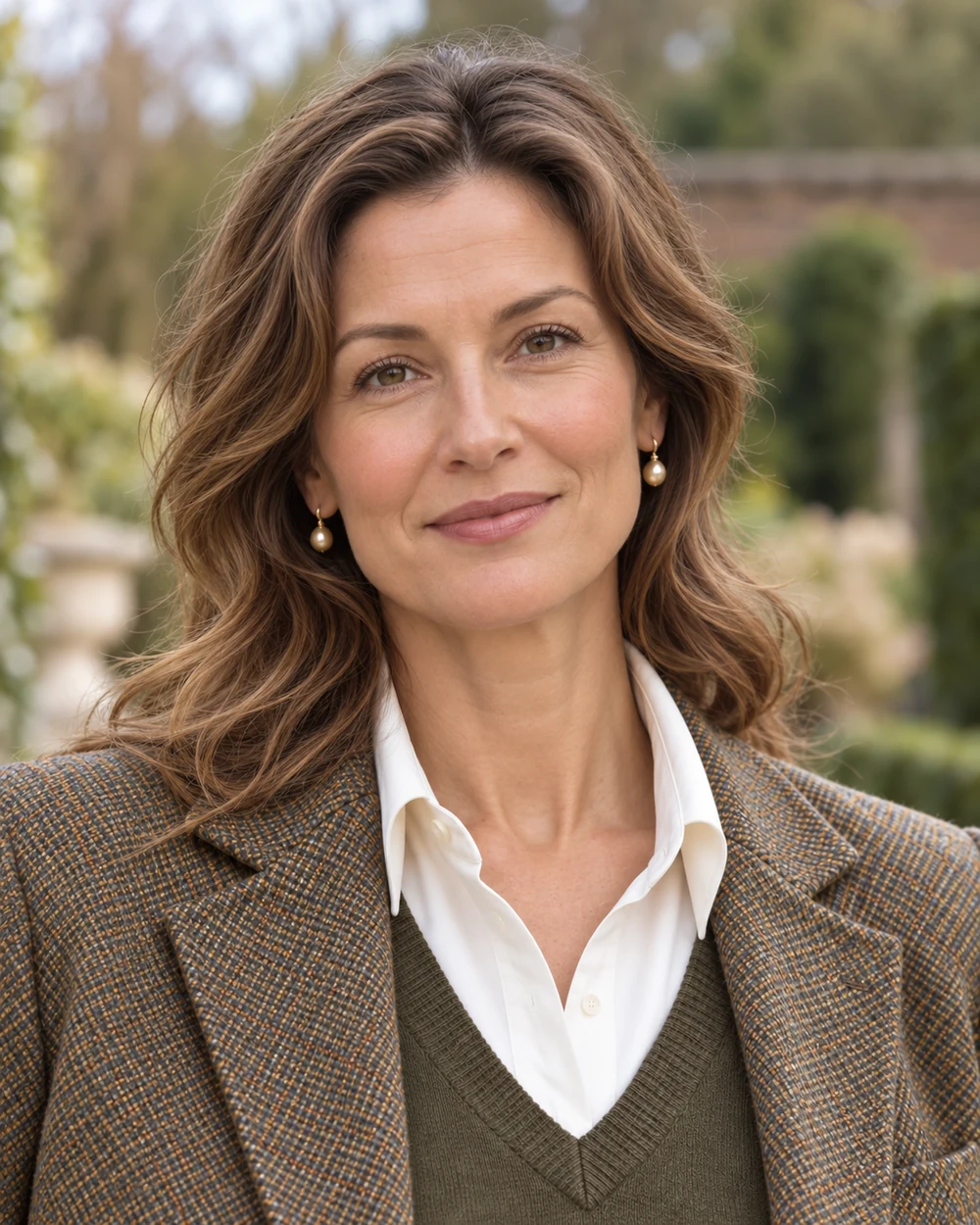
Pair muted rose cheek and lip colour with a fine brown upper-lash line for an easy companion to tweed and ivory.
Beginner · Satin ♡ Save
Celebrity inspiration · 20 min routine
Use coverage selectively, preserve skin details you enjoy and add a small peach-rose cheek and comfortable sheer lip.
Beginner · Dewy ♡ Save
Celebrity inspiration · 20 min routine
Keep a small golden centre on the external upper lid, framed by softer brown depth and a quiet brown-rose lip.
Some practice · Shimmer ♡ Save
Celebrity inspiration · 20 min routine
Keep the black wing short and narrow, soften the lid with matte taupe and finish with peach-rose cheeks and a satin lip.
Beginner · Satin ♡ Save
Celebrity inspiration · 20 min routine
Pair a small gold lid wash with warm rose cheeks and a defined berry lip.
Beginner · Satin ♡ Save
Celebrity inspiration · 20 min routine
Use a contained cool mauve lid wash, soft brown upper-lash definition and a mauve-rose satin lip.
Beginner · Satin ♡ Save
Celebrity inspiration · 20 min routine
Place copper on the external lid and add a narrow indigo upper-lash accent, then finish with warm cheeks and muted berry lips.
Beginner · Satin ♡ Save
Celebrity inspiration · 20 min routine
Use warm taupe around the upper lash line, a small brown line, apricot cheeks and rose-brown satin lips.
Beginner · Satin ♡ Save
Celebrity inspiration · 20 min routine
Pair a small copper lid accent with brown upper-lash definition and a muted brick lip.
Beginner · Satin ♡ Save
Celebrity inspiration · 20 min routine
Use a soft bronze-brown lid wash, narrow brown upper-lash definition and a rose satin lip.
Beginner · Satin ♡ Save
Celebrity inspiration · 20 min routine
Keep silver-taupe eye colour contained, add a short charcoal upper-lash line and finish with soft rose cheeks and a muted plum satin lip.
Beginner · Satin ♡ Save
Celebrity inspiration · 20 min routine
Place a little gold on the central external lid, add brown upper-lash definition and use warm russet on cheeks and lips.
Beginner · Satin ♡ Save
Celebrity inspiration · 20 min routine
Combine a contained deep-copper lid wash with dark-brown upper-lash definition and a burgundy satin lip.
Beginner · Satin ♡ Save
Celebrity inspiration · 18 min routine
Use plum-brown close to the upper lashes, a little taupe on the outer lid and a muted mauve lip. Adjust colour depth to your skin and keep the eye edge soft enough for your own lid shape.
Beginner · Satin ♡ Save
Celebrity inspiration · 18 min routine
Define the upper lashes in cocoa, place a small bronze accent on visible lid space and finish with rose-brown satin lips. Choose enough colour depth for your skin rather than copying the lightness of a swatch.
Beginner · Satin ♡ Save
Celebrity inspiration · 18 min routine
Use a narrow brown upper-lash line, a little warm rose blush and a pink satin lip with enough depth for your skin. Keep the lid quiet and judge the balance with your eyes open in ordinary daylight.
Beginner · Satin ♡ Save
Celebrity inspiration · 18 min routine
Keep cocoa shading on the outer mobile lid, soften brown definition near the lashes and choose a nude-brick lip that has enough depth against your skin. Let the warm neutral palette stay softly blended.
Beginner · Satin ♡ Save
Celebrity inspiration · 18 min routine
Keep charcoal close to the upper lashes, soften the edge with taupe and choose a mauve lip with enough rose-brown depth for your skin. The result should remain easy to judge with your eye relaxed and open.
Beginner · Satin ♡ Save
Celebrity inspiration · 18 min routine
Use a thin plum upper-lash line, a quiet rose cheek and berry satin lips. Keep the lid mostly neutral so you can enjoy the colour without needing a large eyeshadow shape.
Beginner · Satin ♡ Save
Celebrity inspiration · 18 min routine
Use copper satin on a small central lid area, quiet brown lash definition and a muted rose lip. Choose the amount of sheen for your own lid texture, then balance the cheek colour beside the fuchsia outfit.
Beginner · Satin ♡ Save
Celebrity inspiration · 18 min routine
Keep brown definition close to the upper lashes, use a little warm peach blush and finish with a sheer warm rose balm. Choose comfortable familiar formulas and treat makeup wear during exercise as a separate decision.
Beginner · Satin ♡ Save
Celebrity inspiration · 18 min routine
Sketch a small brown-graphite upper-lash flick with the eye open, soften its edge and pair it with cherry-wine satin lips. Keep the rest of the lid quiet and choose the lip depth for your natural colouring.
Beginner · Satin ♡ Save
Celebrity inspiration · 18 min routine
Keep cocoa on the outer lid, add a small bronze satin accent and choose rose-brown lips with enough depth for your skin. Blend the boundaries while keeping the eye shape fitted to your own visible lid space.
Beginner · Satin ♡ Save
Everyday · 5 min routine
A small, adaptable routine built around a little coverage, soft colour and defined lashes.
Beginner · Satin ♡ Save
Everyday · 5 min routine
A short, softened pencil line that adds definition without needing a sharp wing.
Beginner · Satin ♡ Save
Everyday · 10 min routine
A repeatable ten-minute routine with selective coverage, a quiet eye and a lip you can refresh.
Beginner · Satin ♡ Save
Everyday · 10 min routine
Use a few areas of reflected light and a sheer base to create a deliberate, minimal finish.
Beginner · Dewy ♡ Save
Everyday · 10 min routine
Build the eye and base around the frames you actually wear, with practical contact-point checks.
Beginner · Satin ♡ Save
Everyday · 10 min routine
Plan a small, visible area of eye colour with your eyes relaxed, then keep the face softly balanced.
Beginner · Satin ♡ Save
Everyday · 15 min routine
A flexible routine with selective coverage, controlled layers and a finish chosen in your own mirror.
Beginner · Satin ♡ Save
Everyday · 15 min routine
Link cheeks and lips through warm earthy colour, with a quiet eye or a small copper accent.
Beginner · Satin ♡ Save
Occasion · 20 min routine
A coordinated rose palette, softly defined eyes and a lip colour you can refresh easily.
Beginner · Satin ♡ Save
Occasion · 20 min routine
Bronze on the lid, a softly shaded outer corner and a quieter lip to tie it together.
Some practice · Shimmer ♡ Save
Occasion · 20 min routine
Build a small smoky shape with three tones, a clean blending brush and a clear stopping point.
Beginner · Soft matte ♡ Save
Occasion · 15 min routine
Choose your red, keep the eye simple and build a lip edge you can refresh during the evening.
Beginner · Satin ♡ Save
Occasion · 10 min routine
Refresh what is already there, then choose one focal change instead of rebuilding every layer.
Beginner · Satin ♡ Save
Occasion · 15 min routine
Choose a light colour story, check it in daylight and plan a manageable touch-up kit.
Beginner · Satin ♡ Save
Occasion · 20 min routine
Rehearse a familiar look, check it with your outfit and pack only the touch-ups you can use.
Beginner · Satin ♡ Save
Occasion · 20 min routine
Reduce visible shine selectively, keep layers light and judge the result in the lighting you can check.
Beginner · Soft matte ♡ Save
Statement · 25 min routine
A softly shaded eye, controlled sheen and a defined lip: a flexible glamour formula with one clear focal point.
Some practice · Satin ♡ Save
Statement · 20 min routine
One deliberate line, a clean shape and plenty of room to adapt the placement to your eyes.
Some practice · Soft matte ♡ Save
Statement · 10 min routine
Let one lash colour lead, with a simple base and a deliberate choice about the rest of the eye.
Beginner · Satin ♡ Save
Statement · 20 min routine
Use a related rose family across eyes, cheeks and lips, varying depth and finish so each area stays distinct.
Beginner · Satin ♡ Save
Statement · 20 min routine
Create an outward eye-line direction with a short wing, then balance it with simple cheeks and lips.
Some practice · Soft matte ♡ Save
Statement · 10 min routine
A berry lip as the focal point, with a softly blended edge and a simple supporting eye.
Beginner · Satin ♡ Save
Statement · 25 min routine
Separate matte depth, a bronze highlight and lash-line definition so a bronze eye keeps its shape.
Some practice · Shimmer ♡ Save
Statement · 15 min routine
Let cheek colour lead with a deliberate placement, controlled edges and a lip that connects the palette.
Beginner · Satin ♡ Save
Celebrity inspiration · 5 min routine
Keep the red-lip reference, but turn it into a thin stain with an easy edge and quietly brushed brows.
Beginner · Satin ♡ Save
Celebrity inspiration · 5 min routine
Use one small bronze lid wash and a quiet balm, retaining the bronze reference without building the longer framed eye.
Beginner · Satin ♡ Save
Celebrity inspiration · 5 min routine
Choose a translucent berry lip rather than a full defined mouth, using one familiar colour and a quiet brow.
Beginner · Satin ♡ Save
Celebrity inspiration · 5 min routine
Let a sheer brown lip supply depth and a small reflection, keeping the rest of the face quiet beside neutral clothes.
Beginner · Satin ♡ Save
Celebrity inspiration · 5 min routine
Give two familiar rose products separate jobs: a small cheek area and a comfortable lip, with the eye left quiet.
Beginner · Satin ♡ Save
Celebrity inspiration · 5 min routine
Practise one contained taupe-brown lid wash, retaining the soft grunge boundary while keeping the rest of the routine quiet.
Beginner · Satin ♡ Save
Celebrity inspiration · 5 min routine
If a rose-brown mouth feels overdrawn, reduce the amount and connect a softer edge; familiar brown mascara is optional.
Beginner · Satin ♡ Save
Celebrity inspiration · 5 min routine
Keep taupe on the external lid and warm rose at the mouth, choosing their depth together rather than copying a pale swatch.
Beginner · Satin ♡ Save
Celebrity inspiration · 5 min routine
Place a small amount of peach on the cheek, add a sheer related lip and leave the lid quiet.
Beginner · Satin ♡ Save
Celebrity inspiration · 5 min routine
Choose a diffused rose lip or a stronger satin layer before beginning, then keep the brow direction simple.
Beginner · Satin ♡ Save
Celebrity inspiration · 5 min routine
A thin berry-red lip can keep the colour recognisable while making room for your natural lip tone and a quiet eye.
Beginner · Satin ♡ Save
Celebrity inspiration · 5 min routine
Keep golden-brown reflection on a small lid area and caramel-rose at the mouth, with no compulsory new highlighter or depth shade.
Beginner · Satin ♡ Save
Everyday · 5 min routine
A transparent cranberry lip and quietly brushed brows, with the corners kept small and the deeper colour controlled.
Beginner · Sheer ♡ Save
Everyday · 5 min routine
Give dusty pink one small cheek area and let espresso lashes provide the darker punctuation.
Beginner · Soft satin ♡ Save
Everyday · 5 min routine
A contained grey-brown lid wash that remains readable with your own glasses, with no need to chase the outline of the frame.
Beginner · Soft matte ♡ Save
Everyday · 5 min routine
Use a thin warm-beige lid wash and a peach-brown lip, then stop before the two quiet colours become a larger routine.
Beginner · Satin ♡ Save
Everyday · 5 min routine
Choose between a clearer lavender cheek and a deeper mauve alternative, using a small area rather than a pale all-over veil.
Beginner · Natural ♡ Save
Everyday · 5 min routine
Let a soft red lip change a familiar outfit while leaving the brows and the rest of the face deliberately simple.
Beginner · Sheer ♡ Save
Everyday · 5 min routine
Keep one plum-brown balm, one optional brow gel and the tools that make those two small jobs easier.
Beginner · Sheer ♡ Save
Everyday · 5 min routine
Practise a small cinnamon lip layer, leave the cheek at its usual finish and let brown lashes provide quiet definition.
Beginner · Sheer ♡ Save
Everyday · 5 min routine
When cool pink looks too pale or uneven, separate the colour-depth decision from the amount before adding another layer.
Beginner · Sheer ♡ Save
Everyday · 5 min routine
Let fawn supply quiet lid depth and clear sheen supply the lip reflection, keeping colour and shine in separate jobs.
Beginner · Satin ♡ Save
Everyday · 5 min routine
Put a muted apricot on the lips and use a restrained brown lash pass, keeping the eye tools and timing familiar.
Beginner · Sheer ♡ Save
Everyday · 5 min routine
Choose one rose product expressly intended for both cheeks and lips, or keep separate familiar products with related colours.
Beginner · Natural ♡ Save
Celebrity inspiration · 5 min routine
Choose between a narrow cocoa mark and a softened edge, with a quiet brown-rose mouth and three occasion edits.
Beginner · Satin ♡ Save
Celebrity inspiration · 5 min routine
A fine brown eye boundary gives muted rose lips a little structure without a full shadow routine.
Beginner · Satin ♡ Save
Celebrity inspiration · 5 min routine
Two product jobs: selective coverage where you want it and a controlled rose-brown satin lip.
Beginner · Satin ♡ Save
Celebrity inspiration · 5 min routine
Practise keeping gold to a small lid centre while brown mascara provides the definition.
Beginner · Satin ♡ Save
Celebrity inspiration · 5 min routine
When a short wing keeps growing, repair the endpoint instead of drawing a larger partner.
Beginner · Satin ♡ Save
Celebrity inspiration · 5 min routine
A contained gold accent warms a defined berry mouth without becoming a full metallic eye.
Beginner · Satin ♡ Save
Celebrity inspiration · 5 min routine
Use a soft brown upper-lash mark and one pink satin lip for a compact, defined routine.
Beginner · Satin ♡ Save
Celebrity inspiration · 5 min routine
Choose a compact bronze eye edge or a slightly softer trace, then keep the rose lip clear.
Beginner · Satin ♡ Save
Celebrity inspiration · 5 min routine
Warm bronze at the lids and a controlled peach lip give a compact look its shape and warmth.
Beginner · Satin ♡ Save
Celebrity inspiration · 5 min routine
Keep burgundy as the clear lip edge and mauve as a small eye wash, with no extra palette purchases.
Beginner · Satin ♡ Save
Celebrity inspiration · 5 min routine
Practise one controlled bronze-brown upper-lid boundary beside a quiet rosewood mouth.
Beginner · Satin ♡ Save
Celebrity inspiration · 5 min routine
If silver-taupe overwhelms the lid, reduce the reflective area and keep muted plum at the mouth.
Beginner · Satin ♡ Save
Everyday · 5 min routine
Choose the amount of lip-edge definition with your actual glasses on, using a related pencil and satin colour rather than a heavier eye routine.
Beginner · Satin ♡ Save
Everyday · 5 min routine
Let chestnut define a small lid edge while a transparent red supplies a separate warm note at the mouth.
Beginner · Satin ♡ Save
Everyday · 5 min routine
Practise a short softened graphite line on the external upper lid, then use raspberry as the controlled lip colour.
Beginner · Satin ♡ Save
Everyday · 5 min routine
Keep burgundy to one small lash group and let brown support the rest, so a coloured mascara becomes a deliberate detail.
Beginner · Natural ♡ Save
Everyday · 5 min routine
A familiar brown eye pencil supplies the definition; one clean brush softens it, and the neutral lip stays a quiet support.
Beginner · Soft satin ♡ Save
Everyday · 5 min routine
Practise the brow direction and rosewood lip as two separate decisions, so adding lip depth does not automatically mean adding brow volume.
Beginner · Satin ♡ Save
Everyday · 5 min routine
If silver-grey keeps turning into a broad smoky eye, contain the reflection on a small upper-lid area and let the surrounding space stay quiet.
Beginner · Soft sheen ♡ Save
Everyday · 5 min routine
Let a short brown tip provide a soft dark note beside a neutral mouth, using the outer-lid space you already know how to work with.
Beginner · Soft satin ♡ Save
Everyday · 5 min routine
Place peach as a soft cheek area and espresso as a narrow external upper-lid edge, leaving clear space between the two.
Beginner · Soft satin ♡ Save
Everyday · 5 min routine
Choose whether to define both lip peaks or only the join that needs attention, keeping muted red within the outline you actually want.
Beginner · Soft satin ♡ Save
Everyday · 5 min routine
A contained bronze lid can reflect light while the dark-rose mouth supplies the clearer colour shape, with no need to make both areas equally strong.
Beginner · Soft sheen ♡ Save
Everyday · 5 min routine
Give the brow pencil only the small gap that interrupts your chosen tail, then let sheer plum provide the mouth colour.
Beginner · Sheer satin ♡ Save
Celebrity inspiration · 5 min routine
A russet-brown mouth does the work; a quiet brow and a small, deliberate kit keep the routine manageable.
Beginner · Satin ♡ Save
Celebrity inspiration · 5 min routine
Practise keeping a copper reflection small while a burgundy mouth carries most of the contrast.
Beginner · Satin ♡ Save
Celebrity inspiration · 5 min routine
Repair a patchy deep-plum lip locally, then keep the taupe lid quiet enough for the mouth to lead.
Beginner · Satin ♡ Save
Celebrity inspiration · 5 min routine
A deeper rose-brown mouth gives the palette weight; brown lashes supply a quiet edge without another colour block.
Beginner · Satin ♡ Save
Celebrity inspiration · 5 min routine
Use clear pink satin colour and brown lashes for a short routine with one unmistakable focal point.
Beginner · Satin ♡ Save
Celebrity inspiration · 5 min routine
Choose the depth of a brick lip first, then decide how little cocoa the eye needs beside it.
Beginner · Satin ♡ Save
Celebrity inspiration · 5 min routine
A contained charcoal lid provides depth without a wing; muted mauve lets that small dark area stay in focus.
Beginner · Satin ♡ Save
Celebrity inspiration · 5 min routine
A berry satin mouth and plum lashes use two related colours without adding another shadow to the bag.
Beginner · Satin ♡ Save
Celebrity inspiration · 5 min routine
Practise a bright copper centre that remains visible with the eyes open, with muted rose keeping the mouth quiet.
Beginner · Satin ♡ Save
Celebrity inspiration · 5 min routine
Make warm rose read as deliberate colour by checking coverage, depth and edge separately.
Beginner · Satin ♡ Save
Celebrity inspiration · 5 min routine
Cherry-wine gives the mouth depth while a short graphite edge stays close to the upper lashes.
Beginner · Satin ♡ Save
Celebrity inspiration · 5 min routine
Put the depth in rose-brown lips and keep bronze to a small central lid reflection.
Beginner · Satin ♡ Save
Statement · 5 min routine
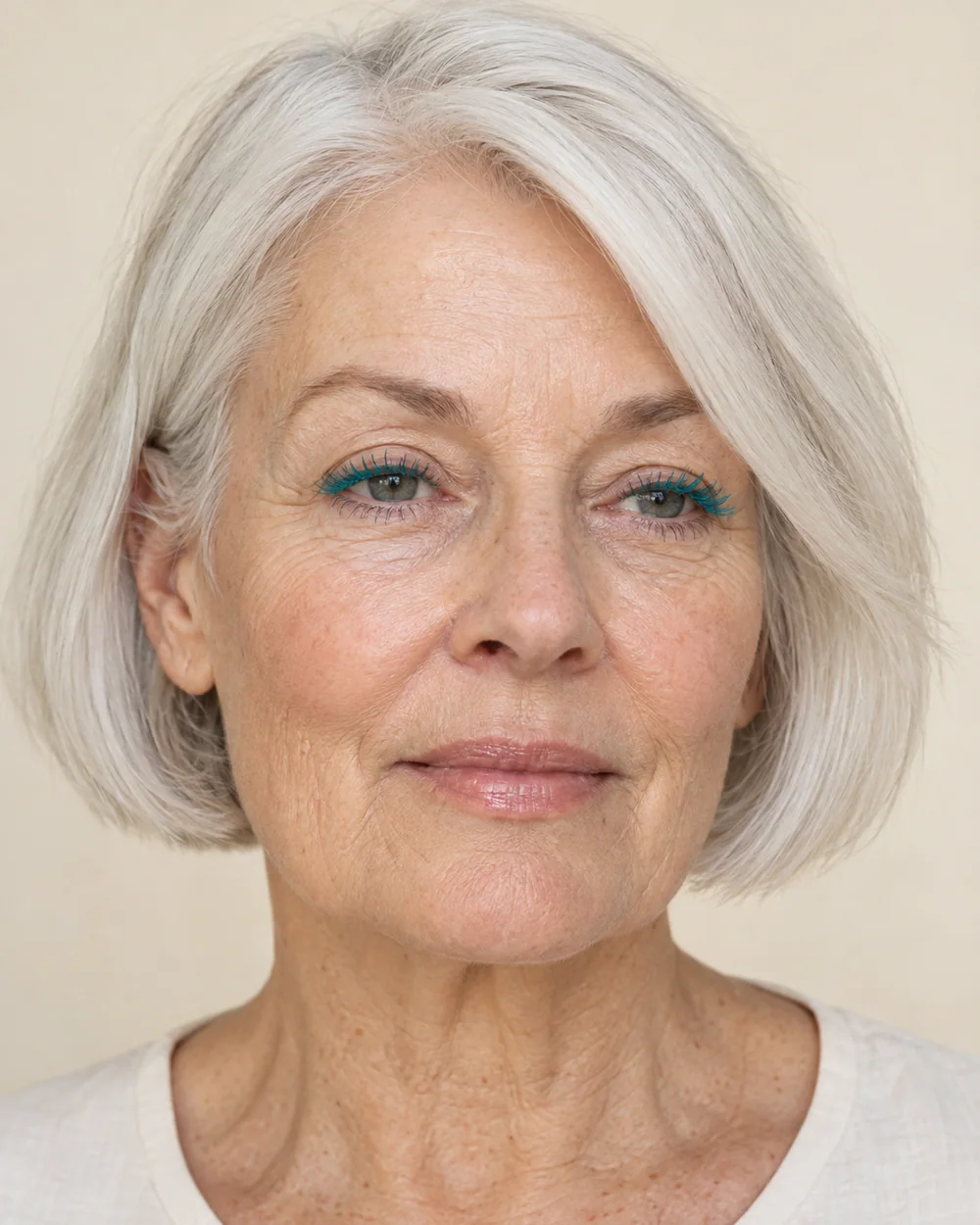
Choose a short teal upper-lash mark for visible colour without committing to a full line or wing.
Beginner · Satin ♡ Save
Statement · 5 min routine
A blackberry mouth supplies a dark colour block while the rest of the face keeps its natural space.
Beginner · Satin ♡ Save
Statement · 5 min routine
A clear cherry lip needs one useful colour and a controllable edge, not a larger kit of matching extras.
Beginner · Satin ♡ Save
Statement · 5 min routine
Learn to keep gold concentrated at the central lid, with brown lashes and a genuinely quiet neutral lip.
Beginner · Satin ♡ Save
Statement · 5 min routine
Diagnose a hot-pink lip that looks pale, patchy or heavy at the edges before adding another layer.
Beginner · Satin ♡ Save
Statement · 5 min routine
Bright plum at the upper lashes gives a small eye line a clear colour job beside neutral lips.
Beginner · Satin ♡ Save
Statement · 5 min routine
A brick-red lip and brown upper lashes make a compact bold routine without extra eye colour.
Beginner · Satin ♡ Save
Statement · 5 min routine
Compare a softer thin layer with a fuller blackened-cherry mouth, using the same natural lip boundary.
Beginner · Satin ♡ Save
Statement · 5 min routine
Turquoise upper lashes make the colour detail; a clear lip and uncoloured lids give it room.
Beginner · Defined lashes ♡ Save
Statement · 5 min routine
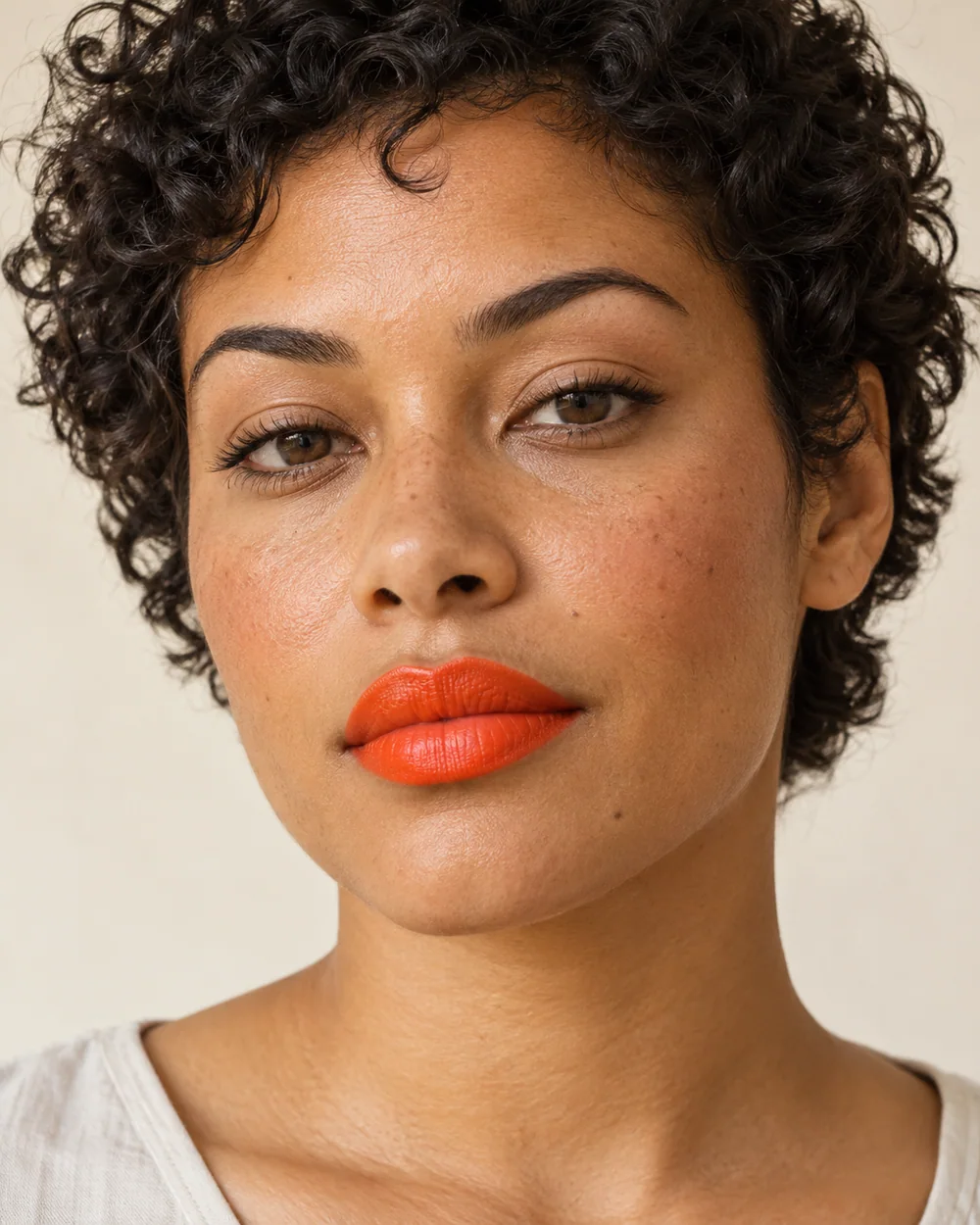
Vivid tangerine can supply the whole colour idea; keep the kit to a lip formula, a useful tool and optional brow direction.
Beginner · Satin ♡ Save
Statement · 5 min routine
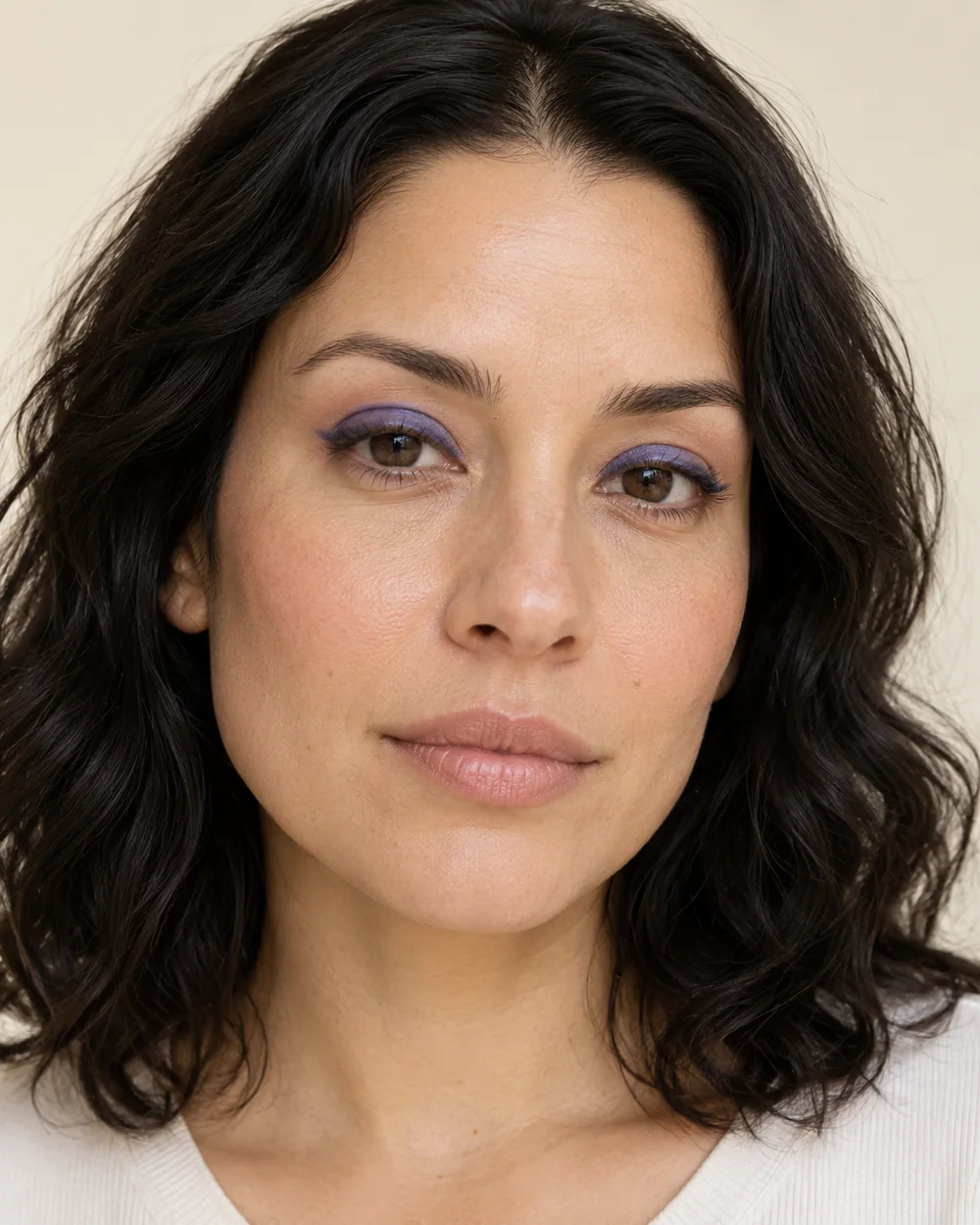
Learn to contain blue-violet on the external upper lid while keeping its colour distinct from the neutral lip.
Beginner · Satin ♡ Save
Statement · 5 min routine
Repair a deep rose lip without adding a pearl eye colour or making the lip outline heavier.
Beginner · Satin ♡ Save
A fresh search? Try a shorter phrase or clear a filter to see more guides.
Show all guides Filters need JavaScript. All guides are listed above. You can also search the full site: