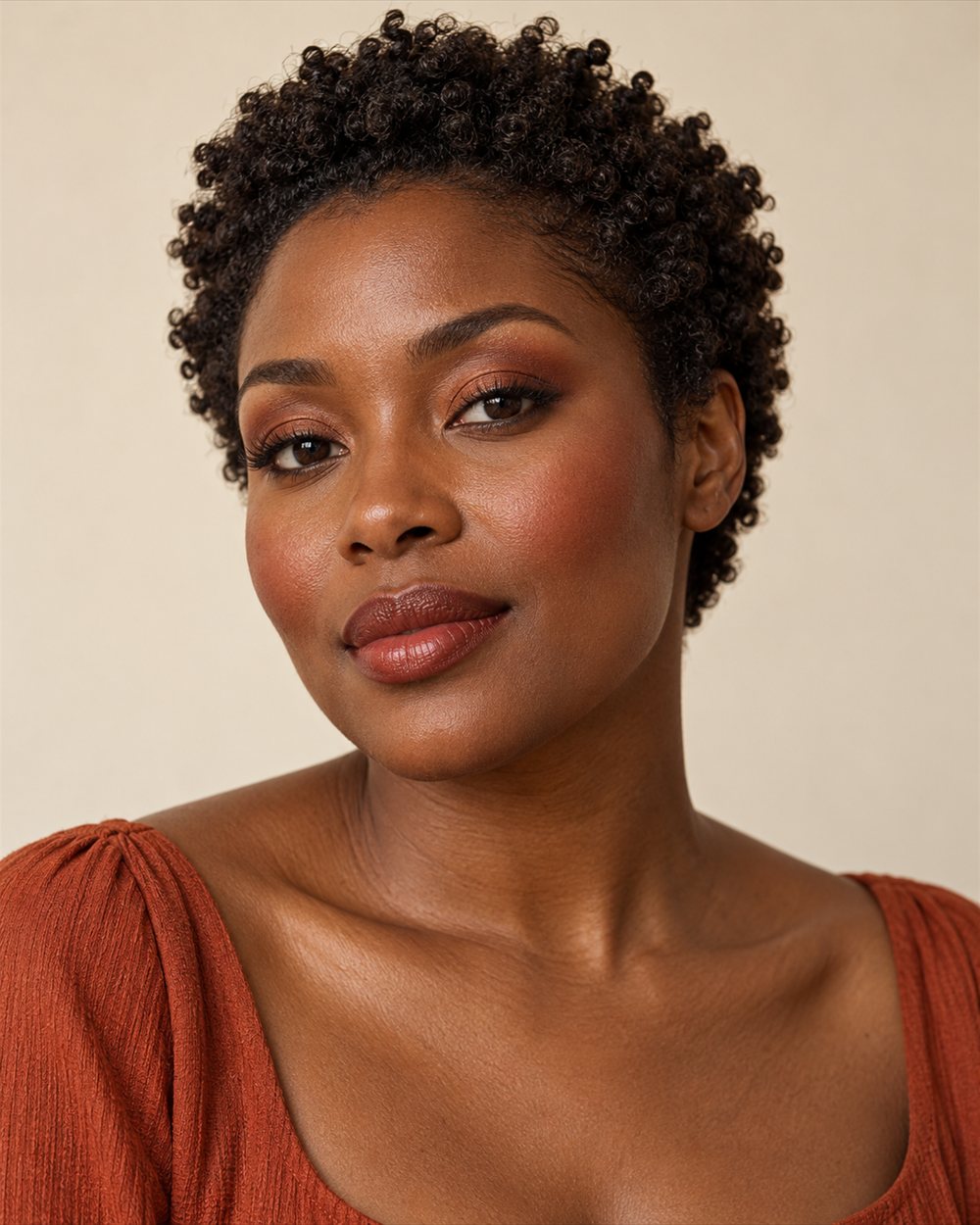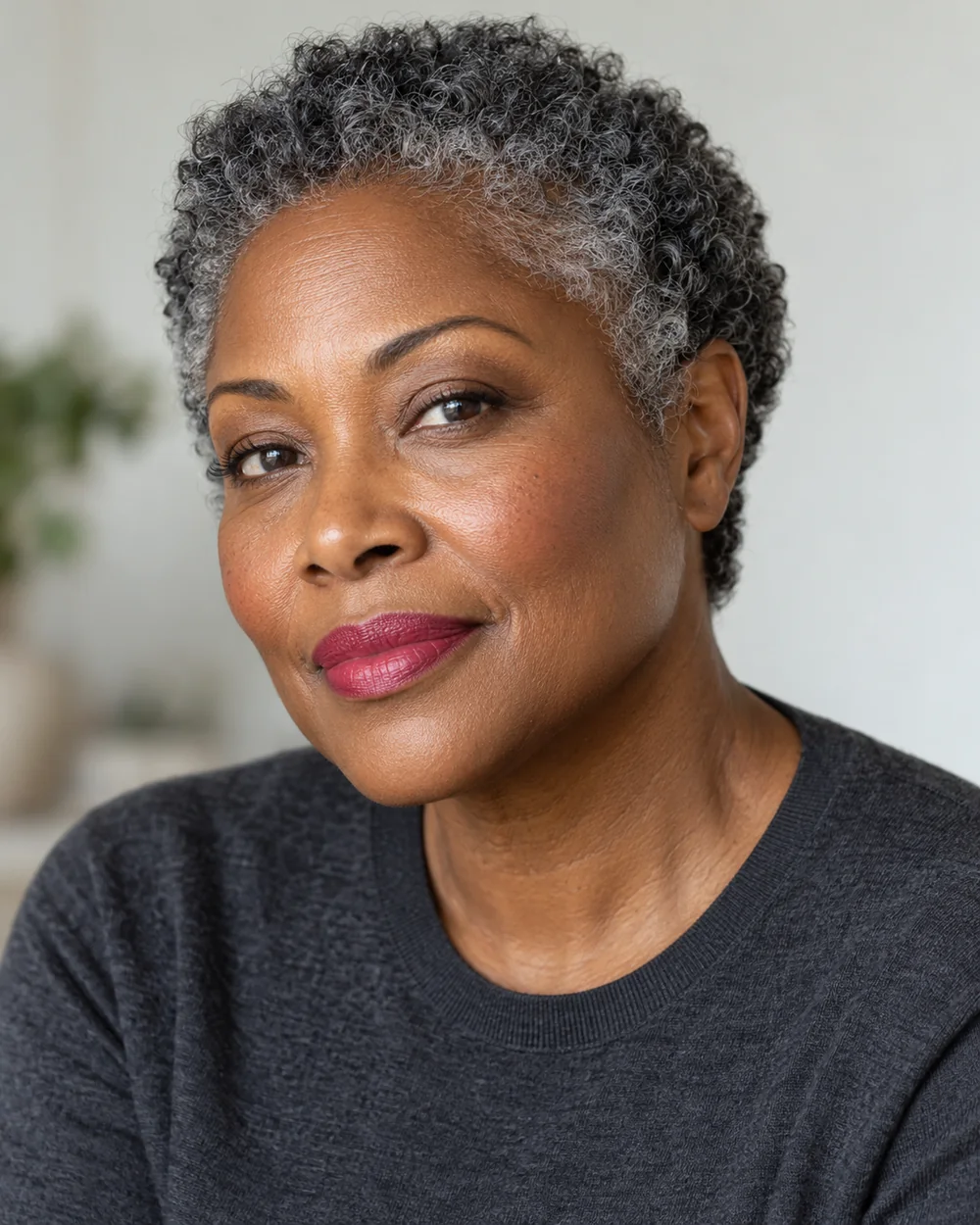
Coral sits between pink and orange, but that description leaves a lot of room. One lipstick looks bright and almost tropical; another carries rose or brown and feels quieter. The choice becomes easier when you separate two questions: how vivid should the colour be, and how light or deep do you want it against your face?
Google’s 23 April 2026 spring search report highlighted coral lipstick. The shade is a practical palette choice you can wear in any season.
Give each colour a job
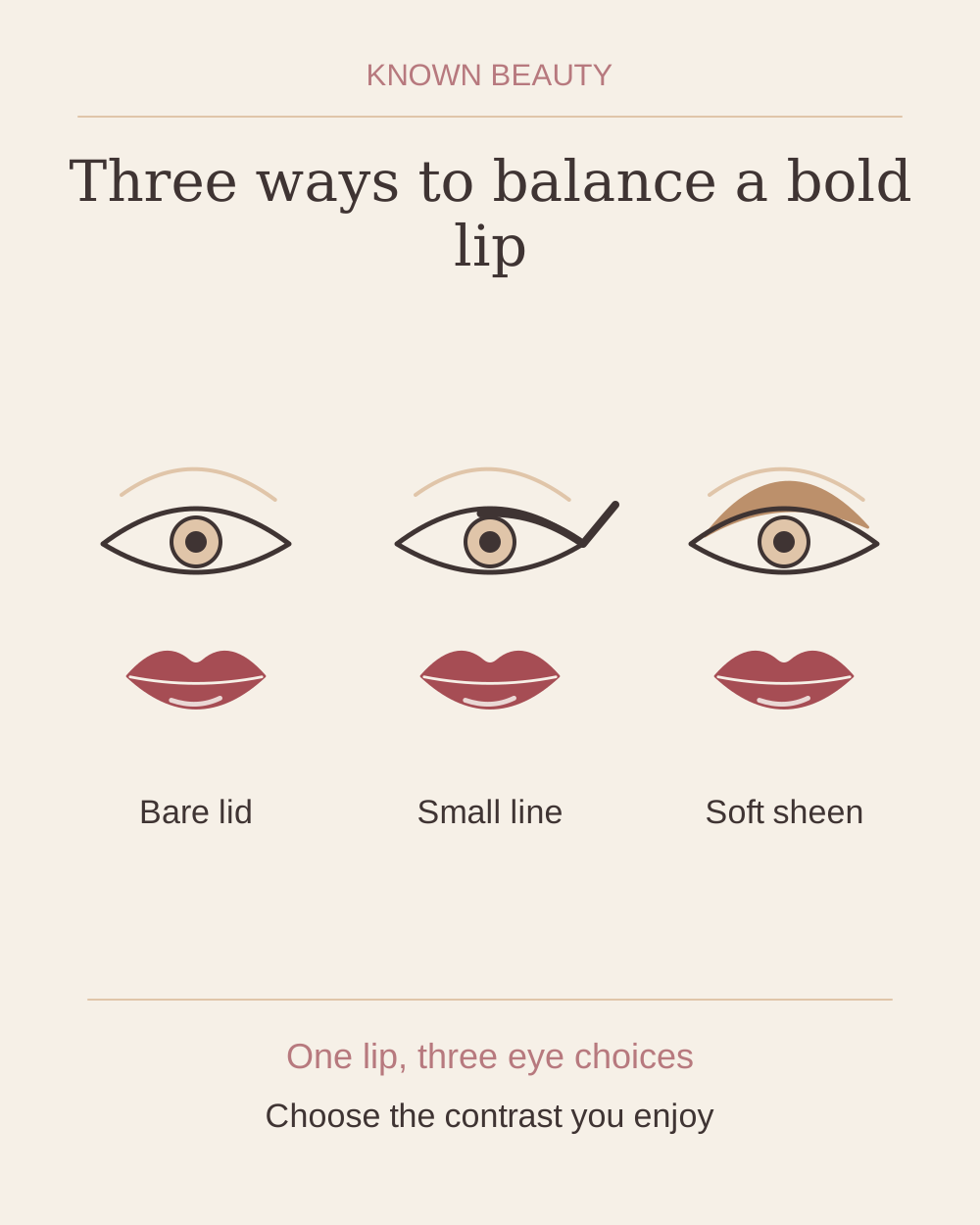
The lip provides warmth. Brown or charcoal at the lashes supplies a small amount of definition. A quiet cheek leaves room between them. In the fictional model’s illustration, a restrained warm coral sits beside an ivory shirt and natural-looking eye makeup. The outfit does not need to repeat the lipstick exactly; a neutral neckline lets the colour stand by itself.
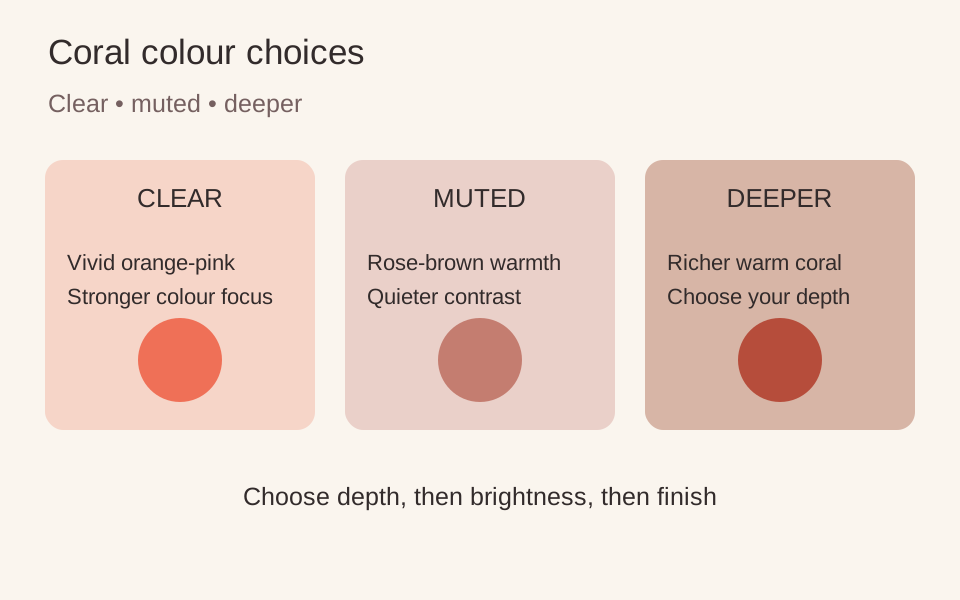
A clear coral has little grey or brown in the overall impression. Choose it when you want the mouth to be the obvious focal point. A muted coral adds a softer, dusty or brownish quality and is useful when you want warmth with less contrast. A deeper coral can retain orange-pink warmth without relying on a pale base. Compare the shades on you; the name on the tube cannot settle that decision.
Apply enough to read the colour
Use a thin, even layer on the lips and check it in a mirror before adding other colour. If your natural lip tone makes the shade appear different from its swatch, that is part of the result you are choosing. Do not assume that more concealer underneath is necessary. A different depth or a more opaque lipstick may be a simpler option.
Define the corners with the tip of the lipstick or a small brush. If you want a pencil, choose one that blends into this particular coral or your natural lip outline, then soften the join. A dark ring is a separate look; it should be deliberate rather than the accidental result of using the only liner available.
Edit the surrounding warmth
Begin with no extra cheek colour and look at the whole face. Add a little peach, neutral rose or bronze only if you miss it. Strong coral blush, orange shadow and a vivid lip can work together, but they make a different, more saturated composition. Remove one of those decisions if the lipstick stops feeling like the focal point.
A satin finish gives the colour a small reflection; a soft matte makes its outline more prominent. A sheer balm makes the natural lip tone more influential. Choose the finish for comfort and the edge you like, rather than assuming one is suitable for an entire skin tone or age group.
Your final colour edit
Look at the lipstick beside a familiar white or neutral top, then beside the actual clothes you plan to wear. If it feels too pale, compare a deeper coral before abandoning the family. If it feels too loud, try a muted version or a lighter application. Keep the shade that gives you the amount of warmth you wanted without requiring the rest of your makeup to be rebuilt.
Makeup placement and colour are personal choices; adjust the steps to suit you. Follow the directions on your own products.