Eyes & Lips · 5 min read
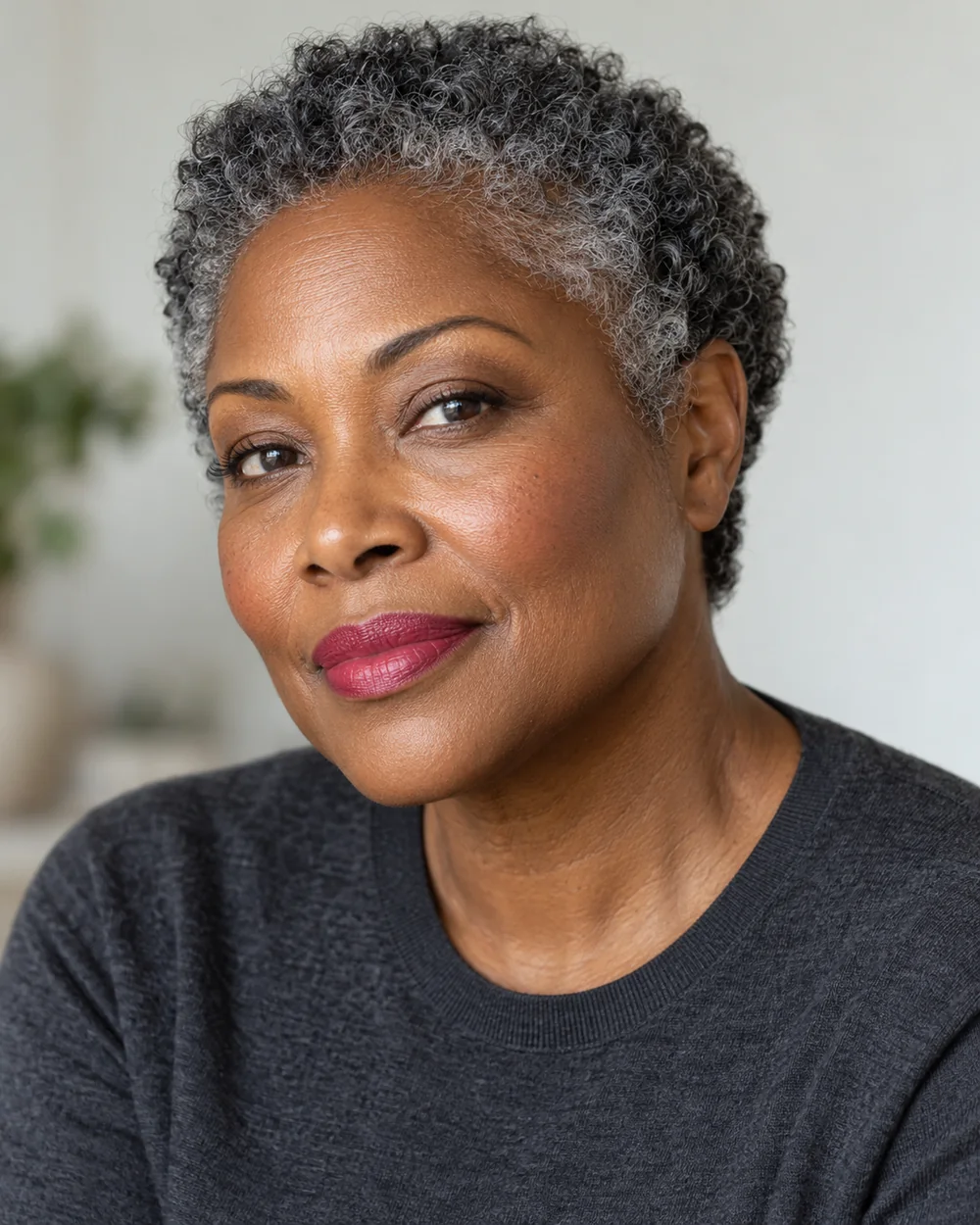
Blurred lipstick edges: a controlled colour fade
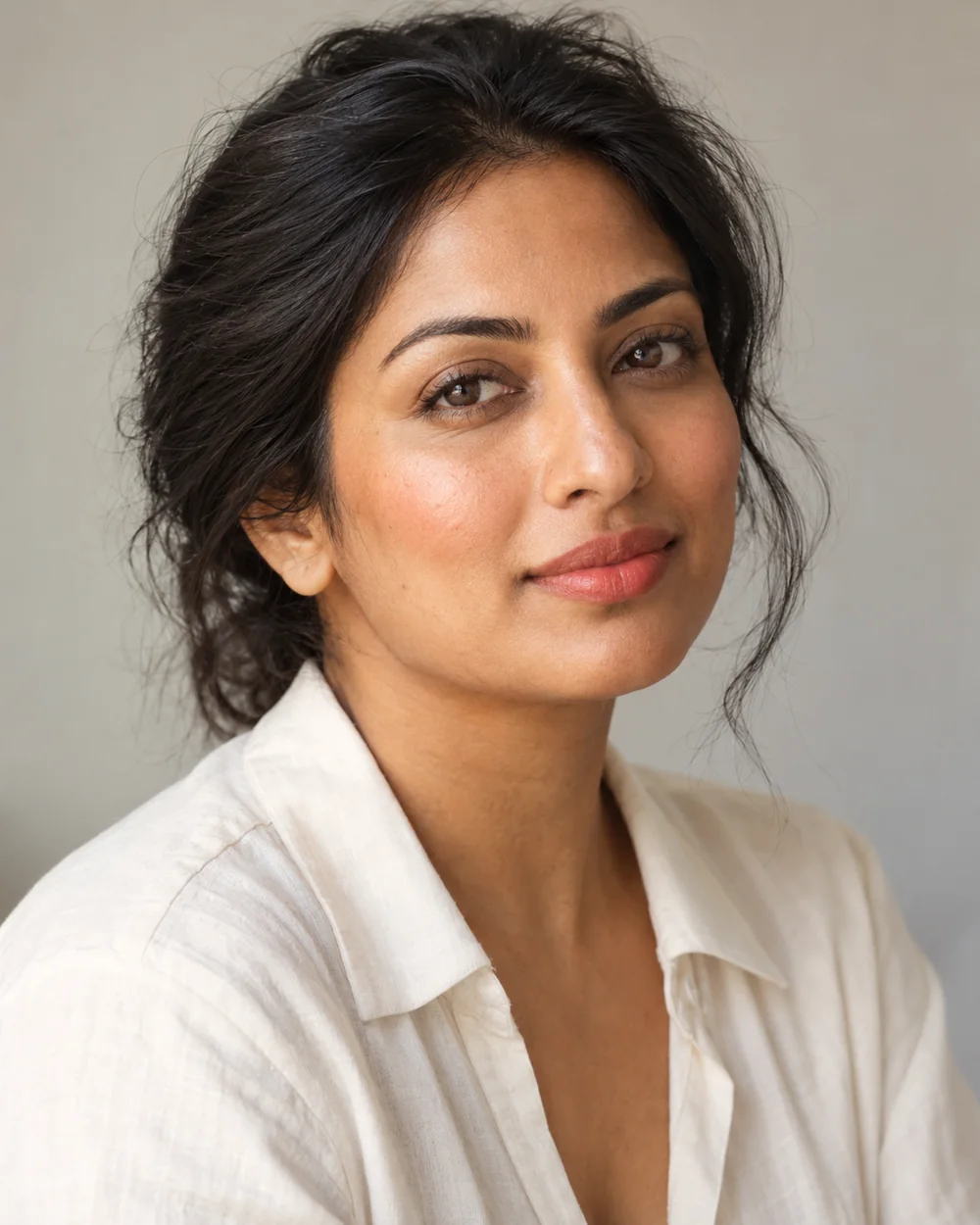
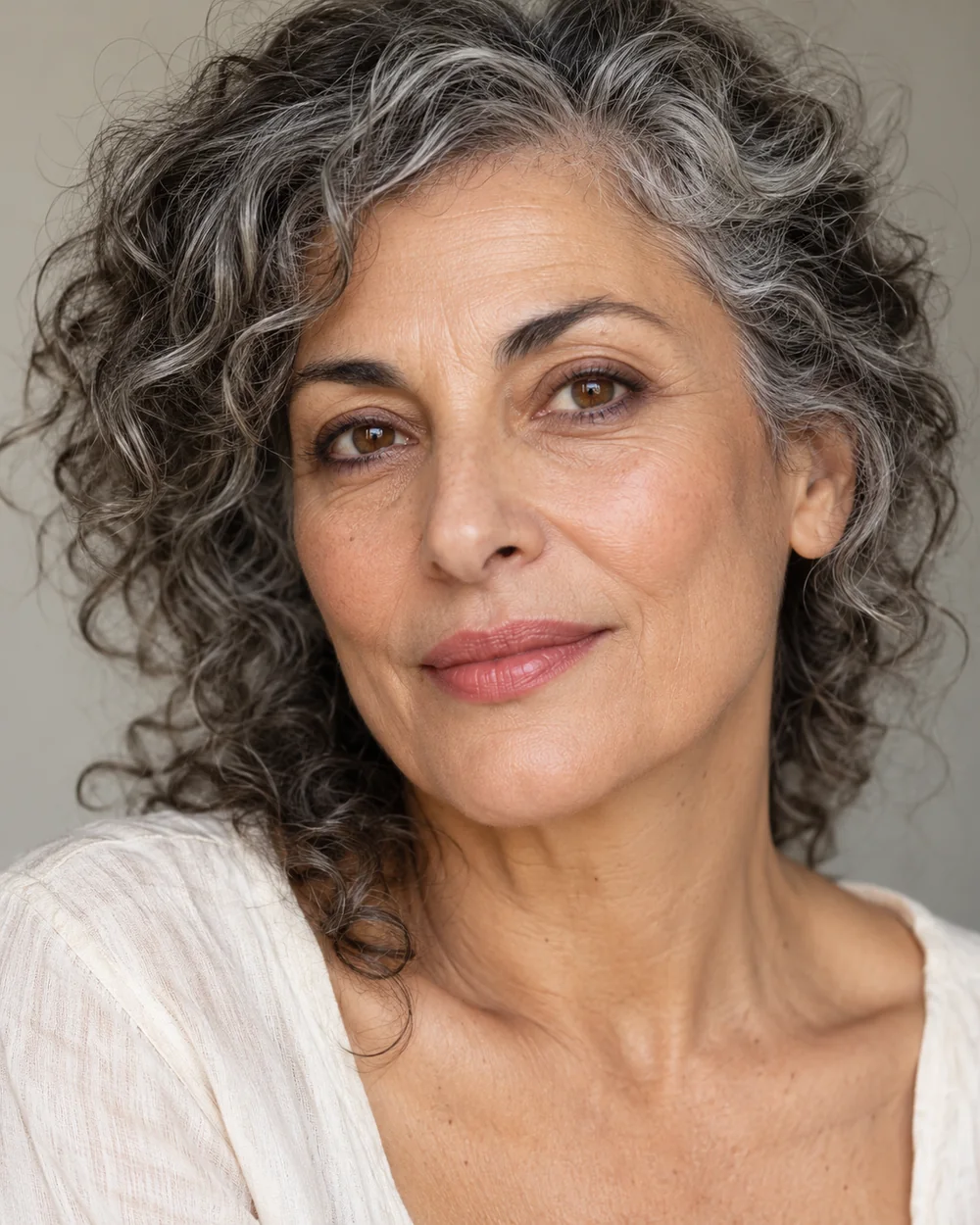
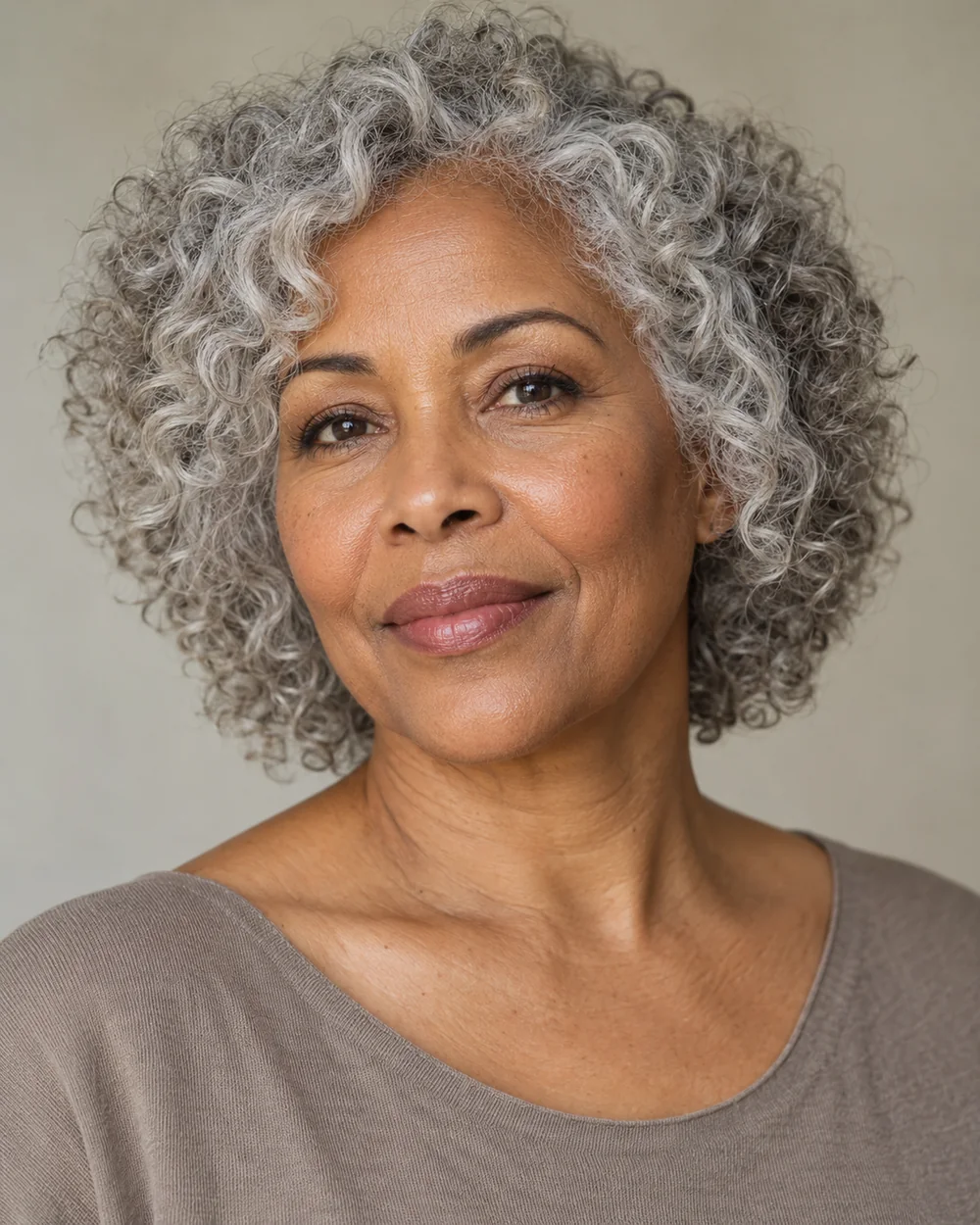
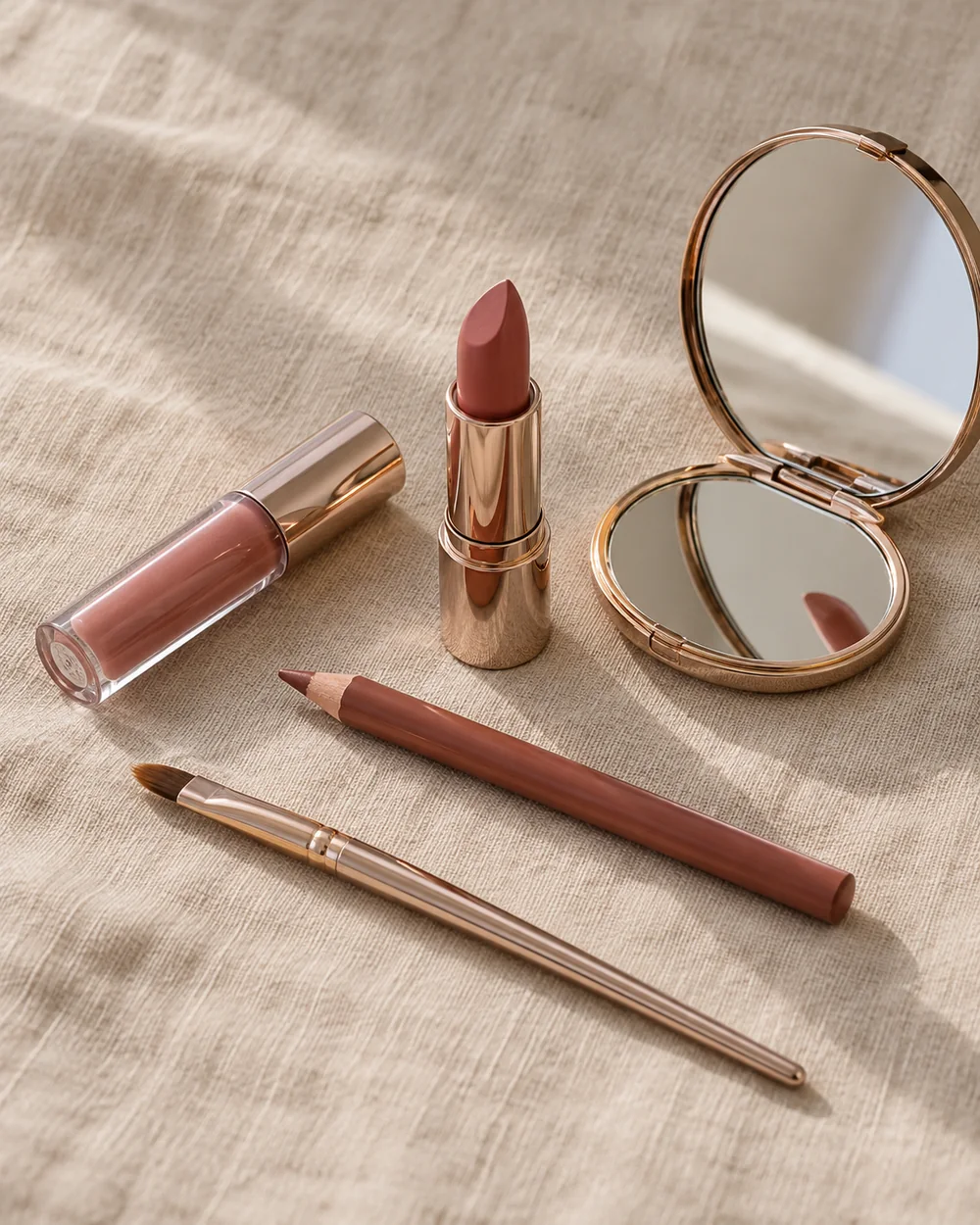
Apply colour within the lip first, then soften its perimeter with a nearly clean lip brush; keep the fade inside your natural outline.
Beginner
IDEAS FOR YOUR NEXT EDIT
A trend is a starting point. This edit brings together 48 new guides across makeup, tools, hair, nails, fragrance, womenswear and menswear. Some respond to measured search growth; others come from dated fashion coverage or recurring practical questions.
Selected and source-checked on 25 October 2026. Choose an idea because it suits your plans; the guides explain fit, placement, alternatives and what to check in your own kit or wardrobe.
Apply colour within the lip first, then soften its perimeter with a nearly clean lip brush; keep the fade inside your natural outline.
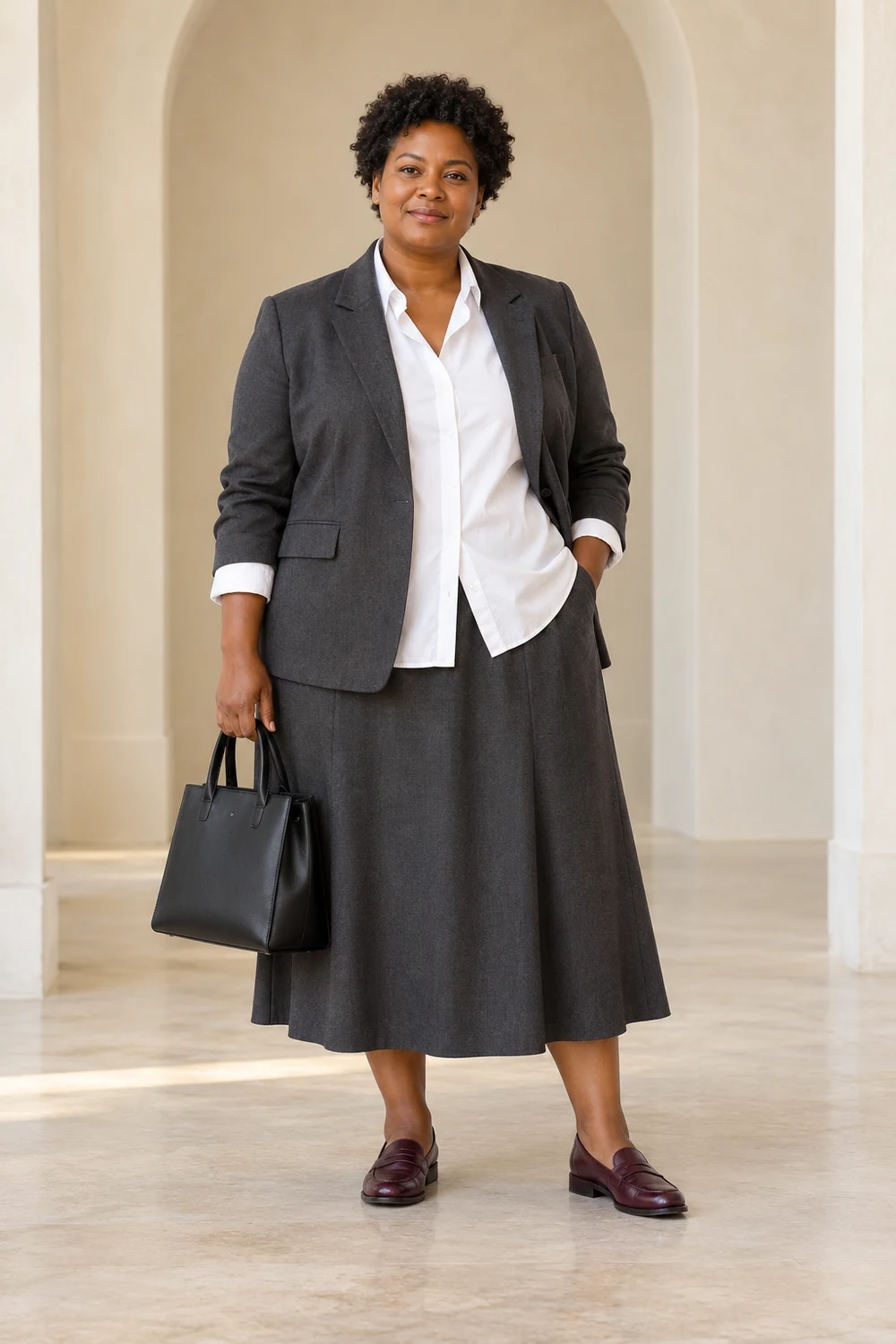
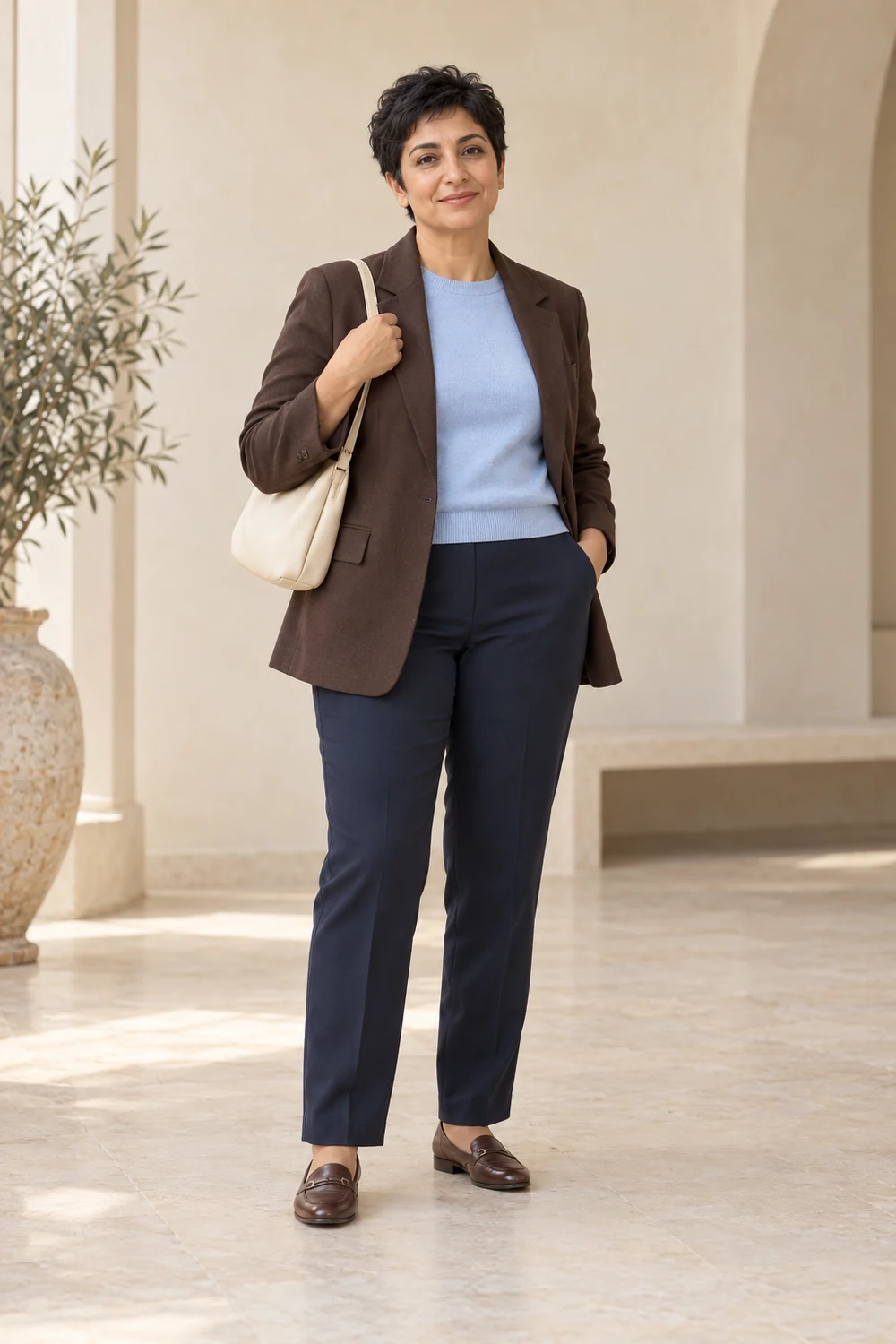
Start with a relaxed jacket, a skirt you can stride in and an untucked shirt.
Choose coral by its brightness and depth first: clear coral for a vivid focal lip, muted coral for softer contrast, or deeper coral for richer warmth.
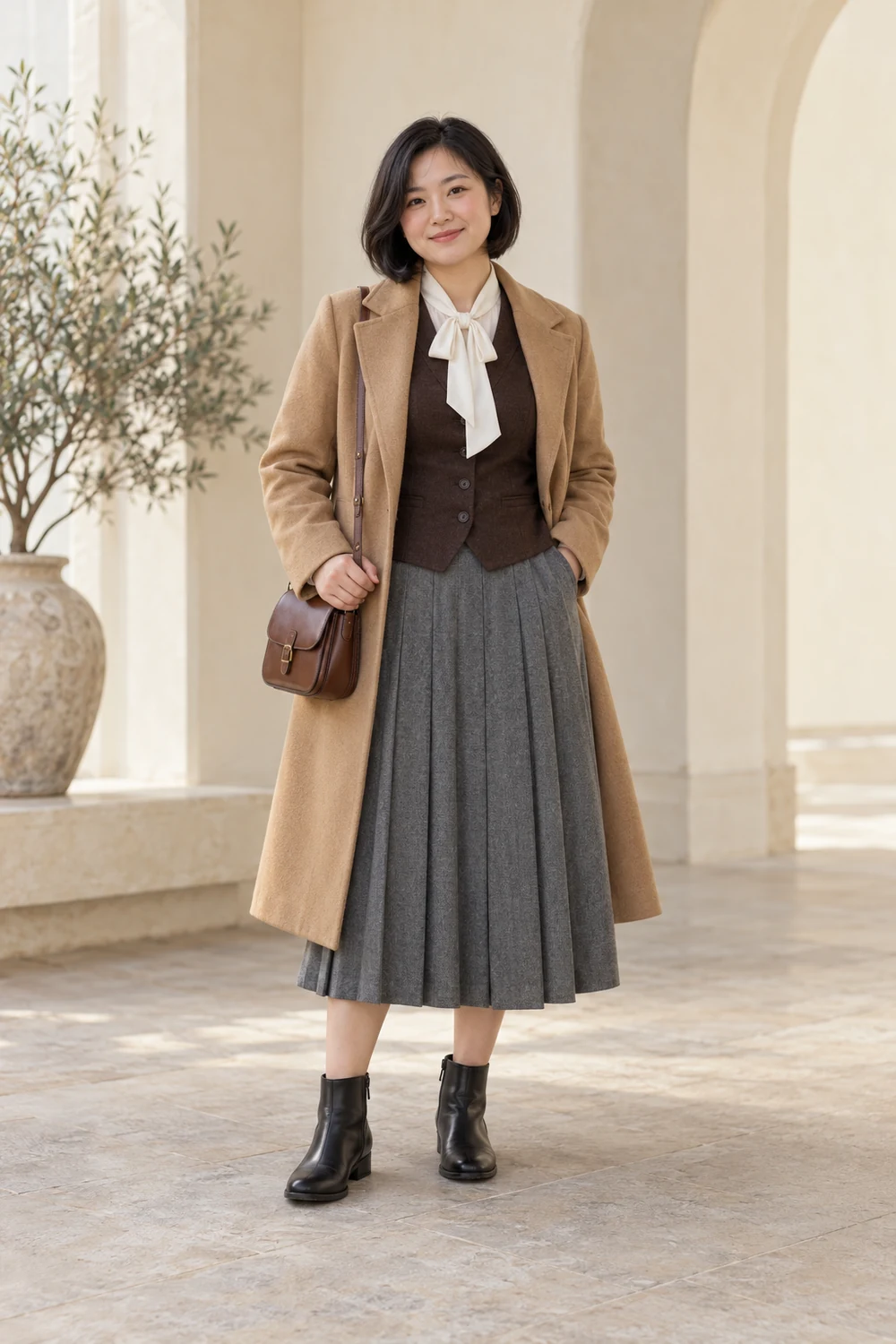
Use one romantic detail with ordinary layers: an ivory tie-neck blouse, a brown waistcoat and a grey skirt.
Use a lip-intended rose or neutral pearlescent formula in a thin layer, then keep the surrounding makeup quiet enough for its reflection to show.
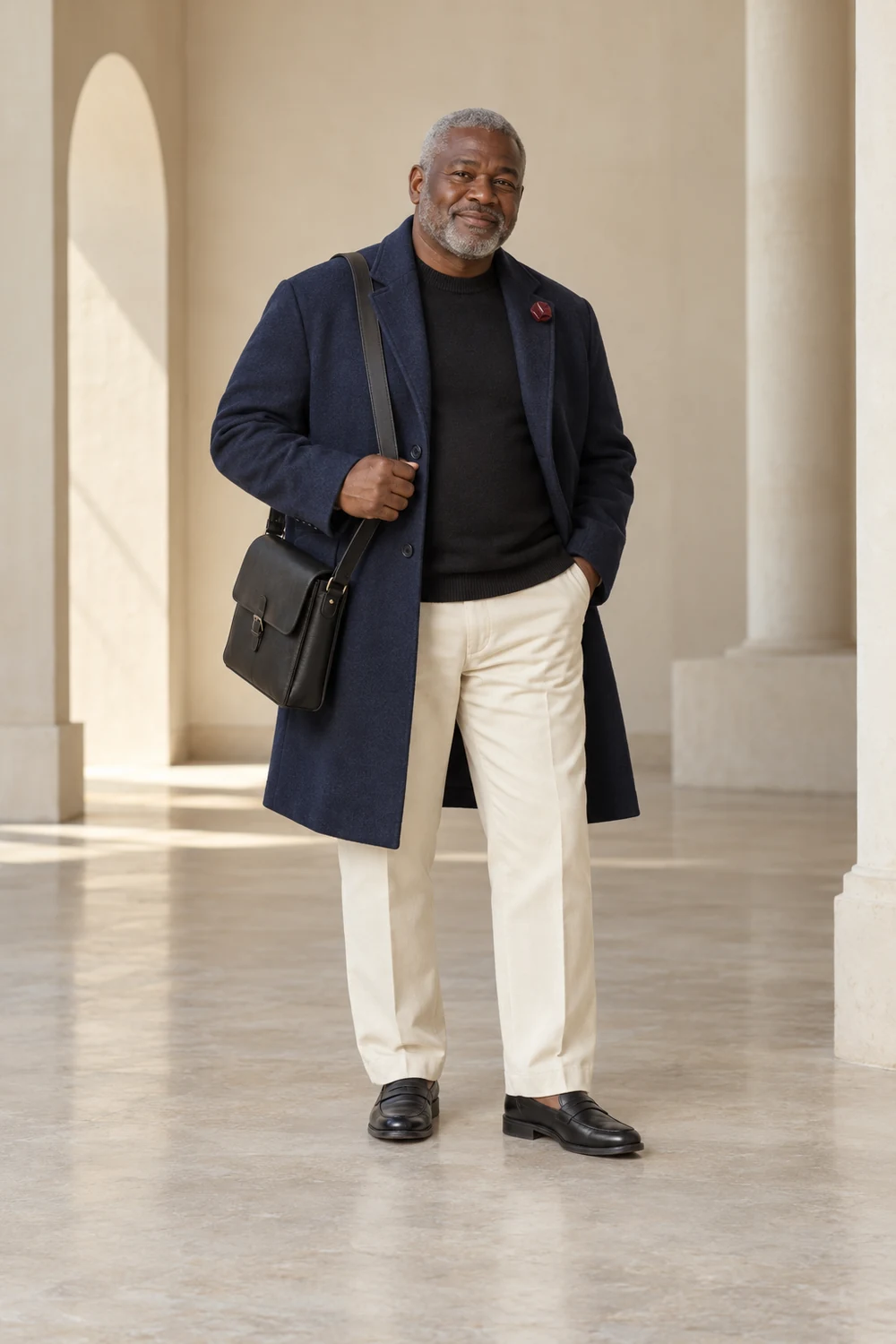
Practise with the coat laid flat: choose a supported area of lapel, secure the brooch according to its fastening and check it with your bag strap.
Give pastel blue the lid area and silver a narrow upper-lash accent; keep their boundaries separate and adjust the blue's depth to your preference.
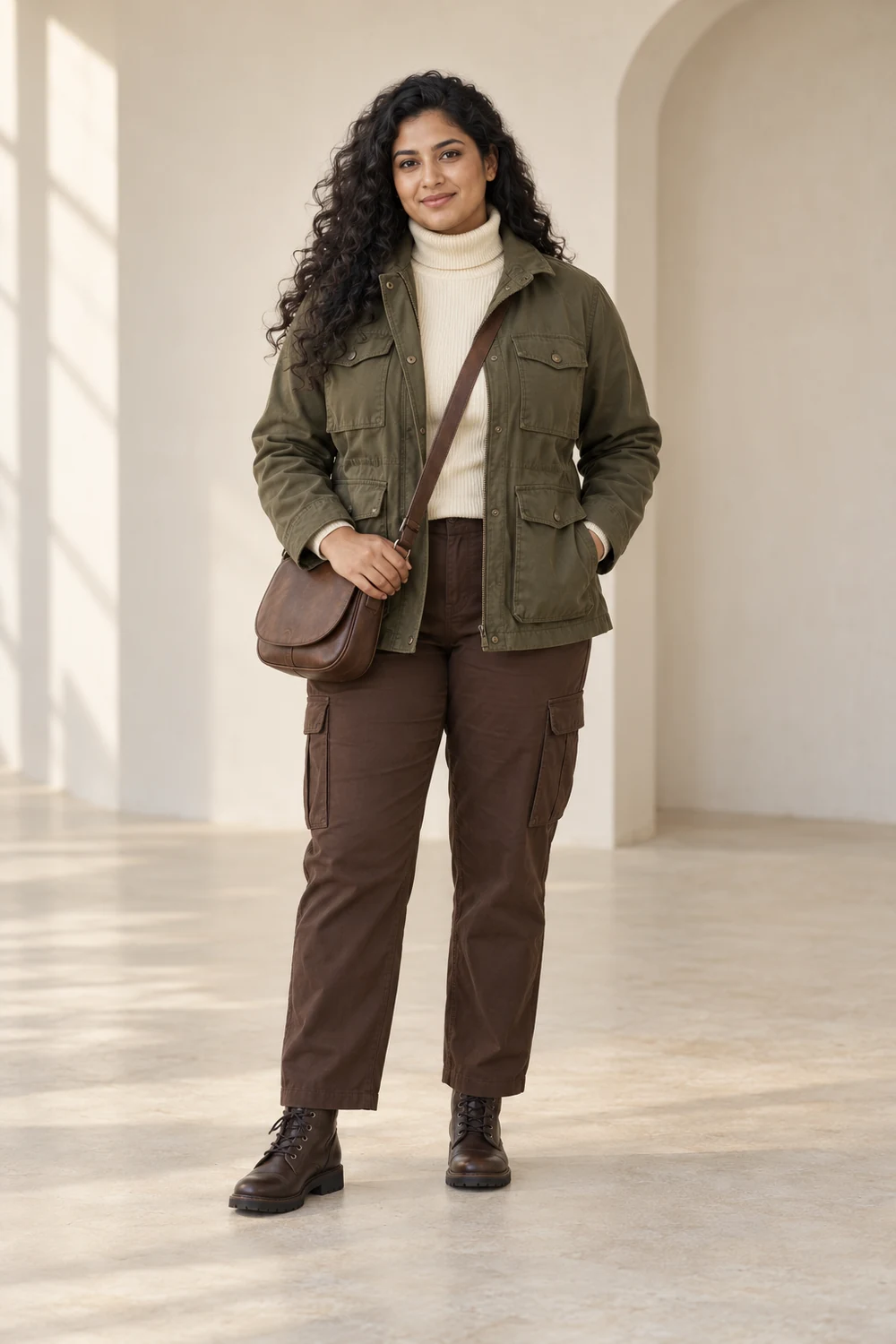
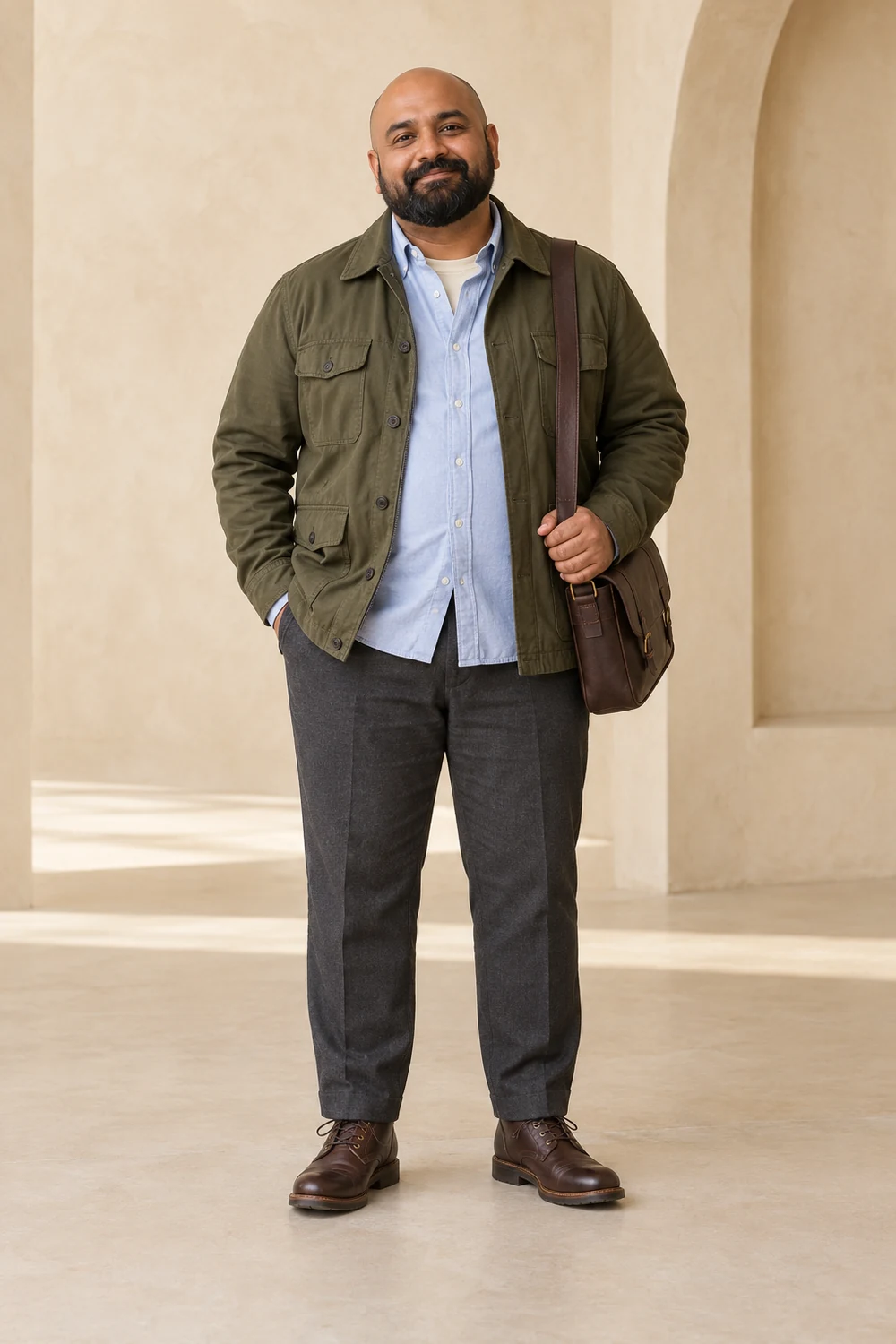
Use an olive field jacket, a light knit and comfortable cargo trousers, then choose boots for the actual route.
Choose whether a multichrome is a base or a sheer topper, place a thin layer on a contained lid area, then check it from more than one angle before adding colour.
Give pale blue the largest outer layer, navy the centre and grey the lower half.
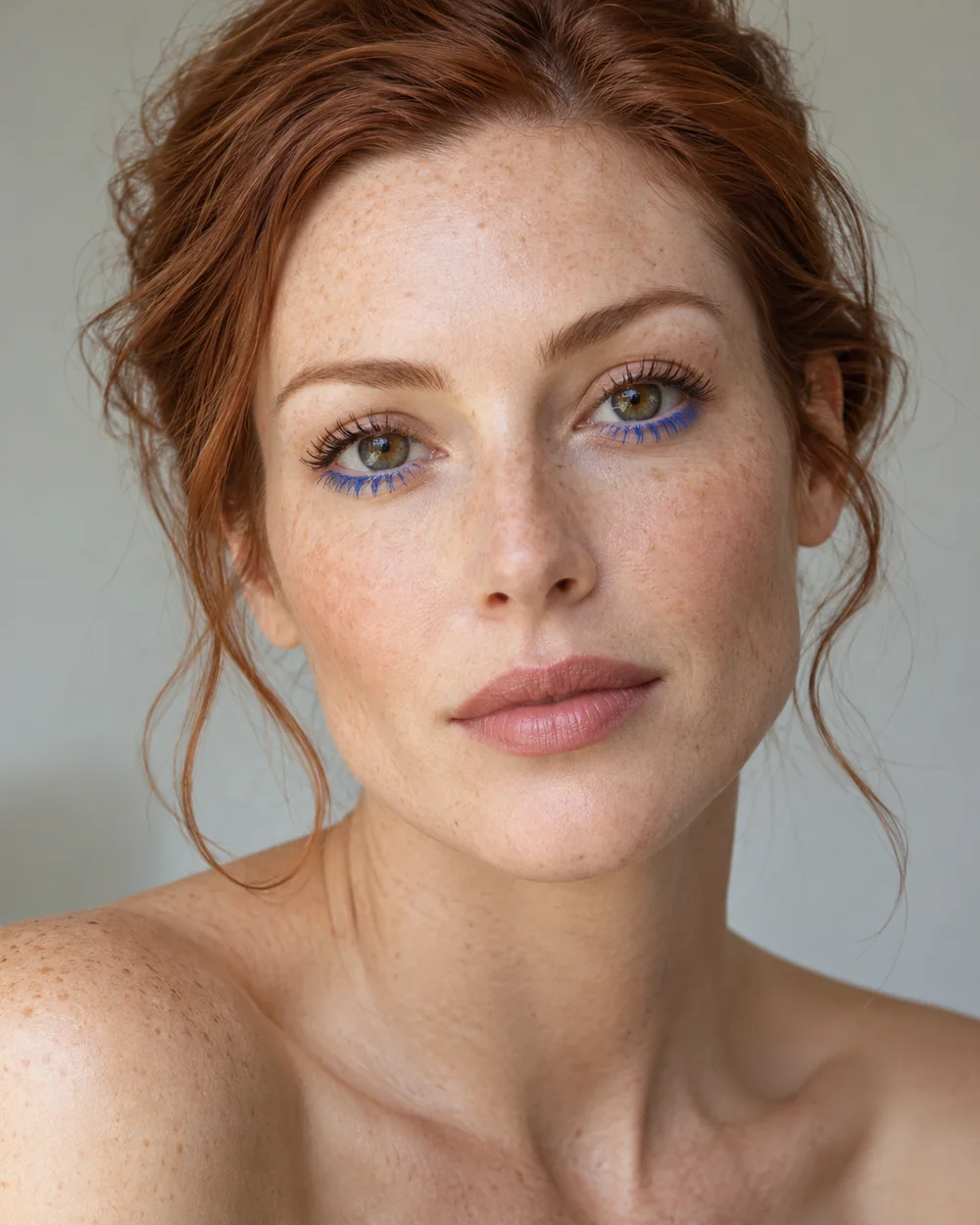
Put one mascara colour on the upper lashes and another on the lower lashes; keep the formulas on separate lash groups rather than stacking them together.
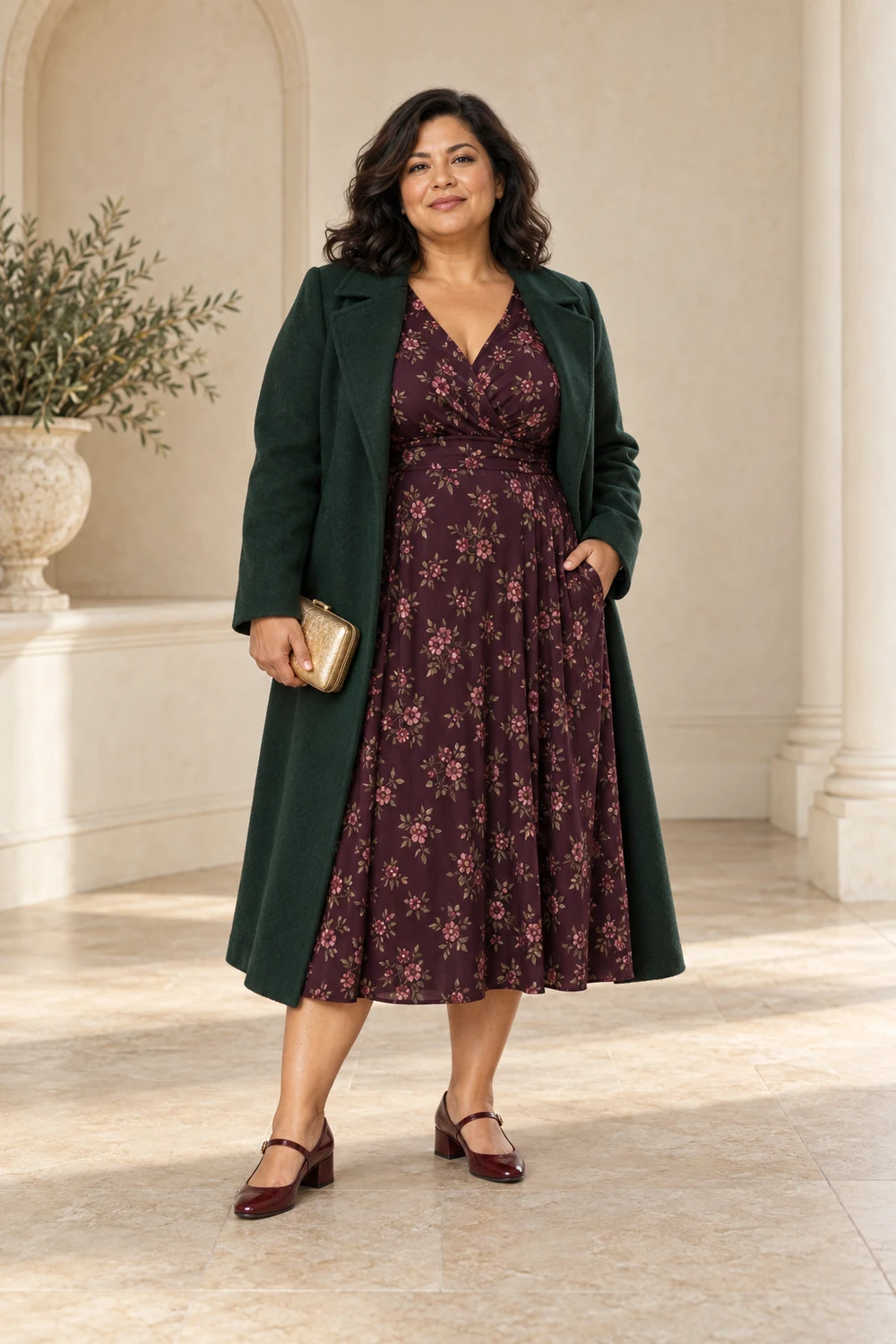
Plan a dark floral dress and a warm outer layer as two complete parts of the day.
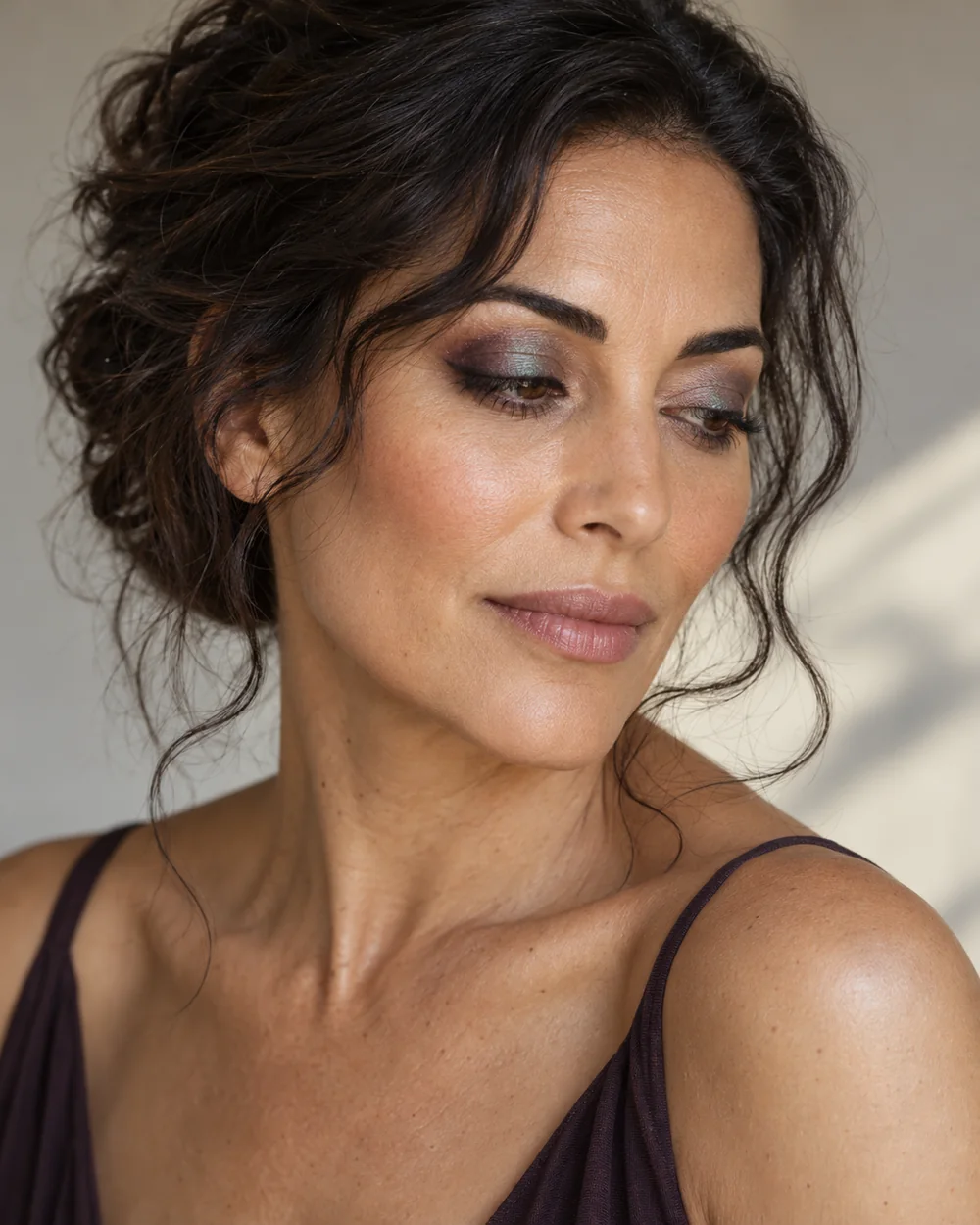
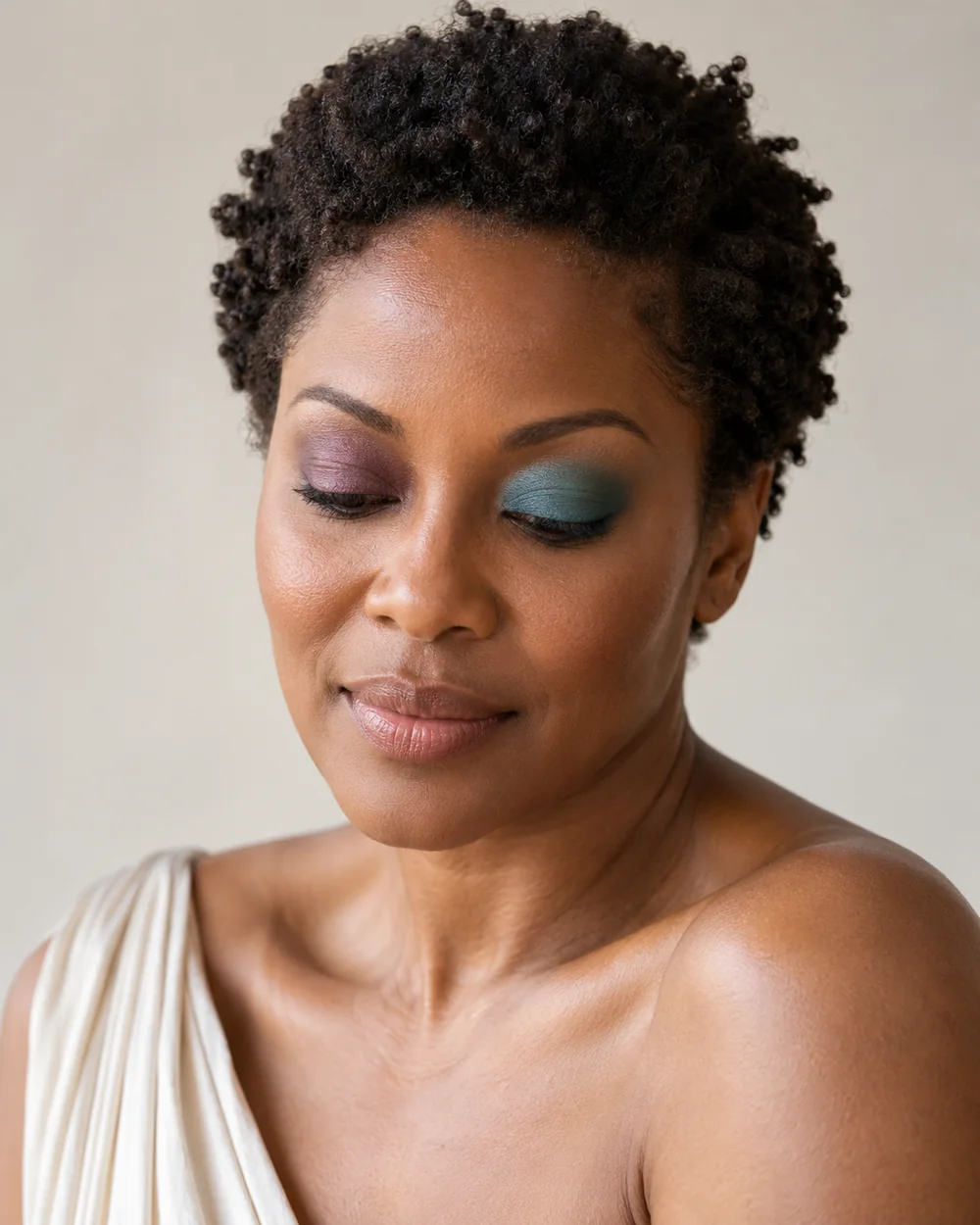
Keep the shape and intensity similar on both eyes, then change one colour: a plum lid on one side and a teal lid on the other can look deliberately mismatched.
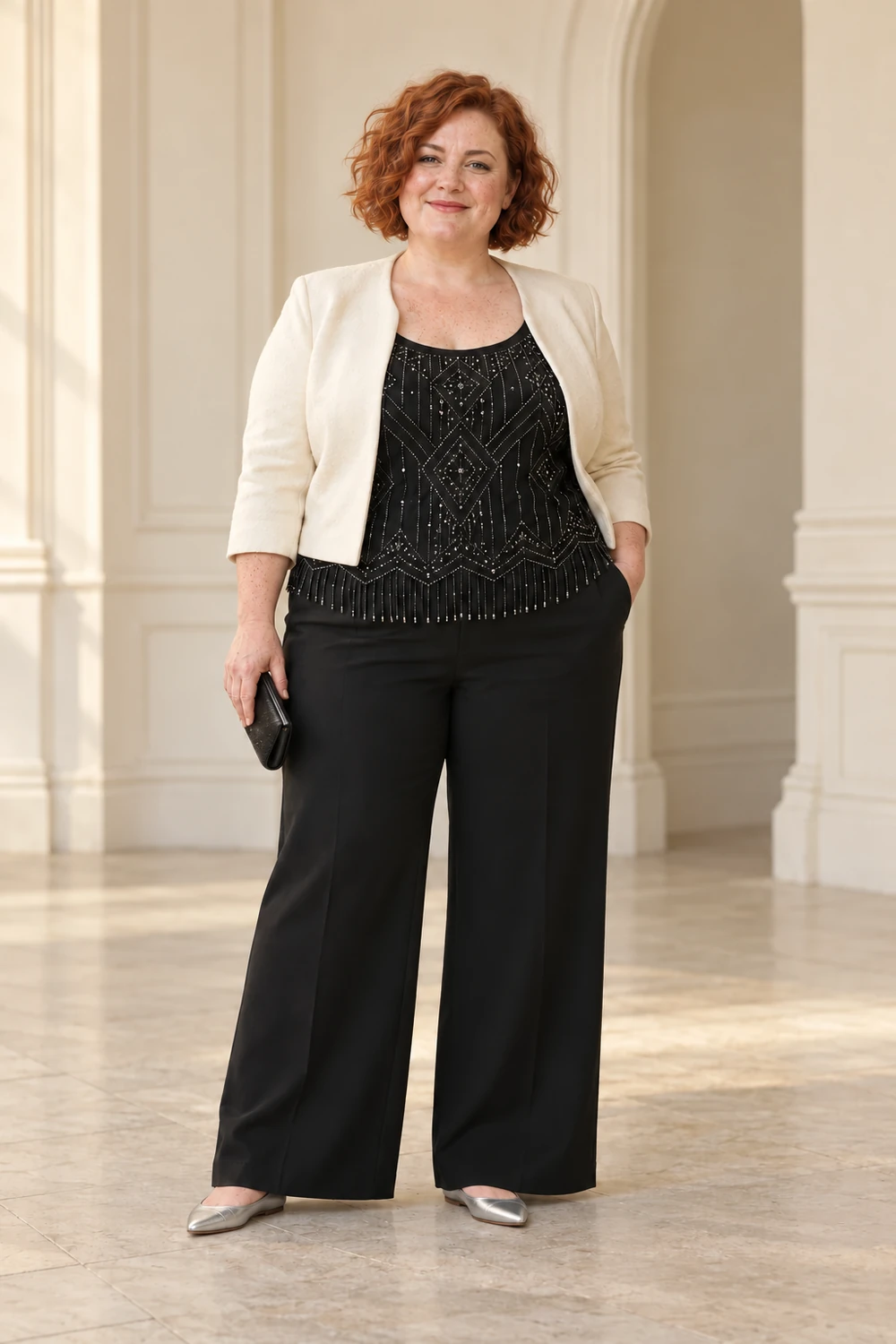
Keep one Art Deco reference in the top, then use plain trousers, a short jacket and flats.
Practise a narrow, soft shadow on the outer external lower lash line, keeping it clear of the waterline and checking the shape with your eyes open.
Let a green velvet blazer be the texture, then use a fine black roll-neck, charcoal trousers and comfortable black shoes.
Cloud finish reduces broad shine while keeping a soft surface; dewy finish leaves more visible reflection. Choose placement and reflection separately from coverage.
Change one layer at a time when two knits feel crowded.
If makeup forms small rolls during application, stop rubbing, remove the affected patch and compare one cosmetic layer or application movement at a time on the next attempt.
Check rise, pocket position and leg shaping before paying for a shorter hem.
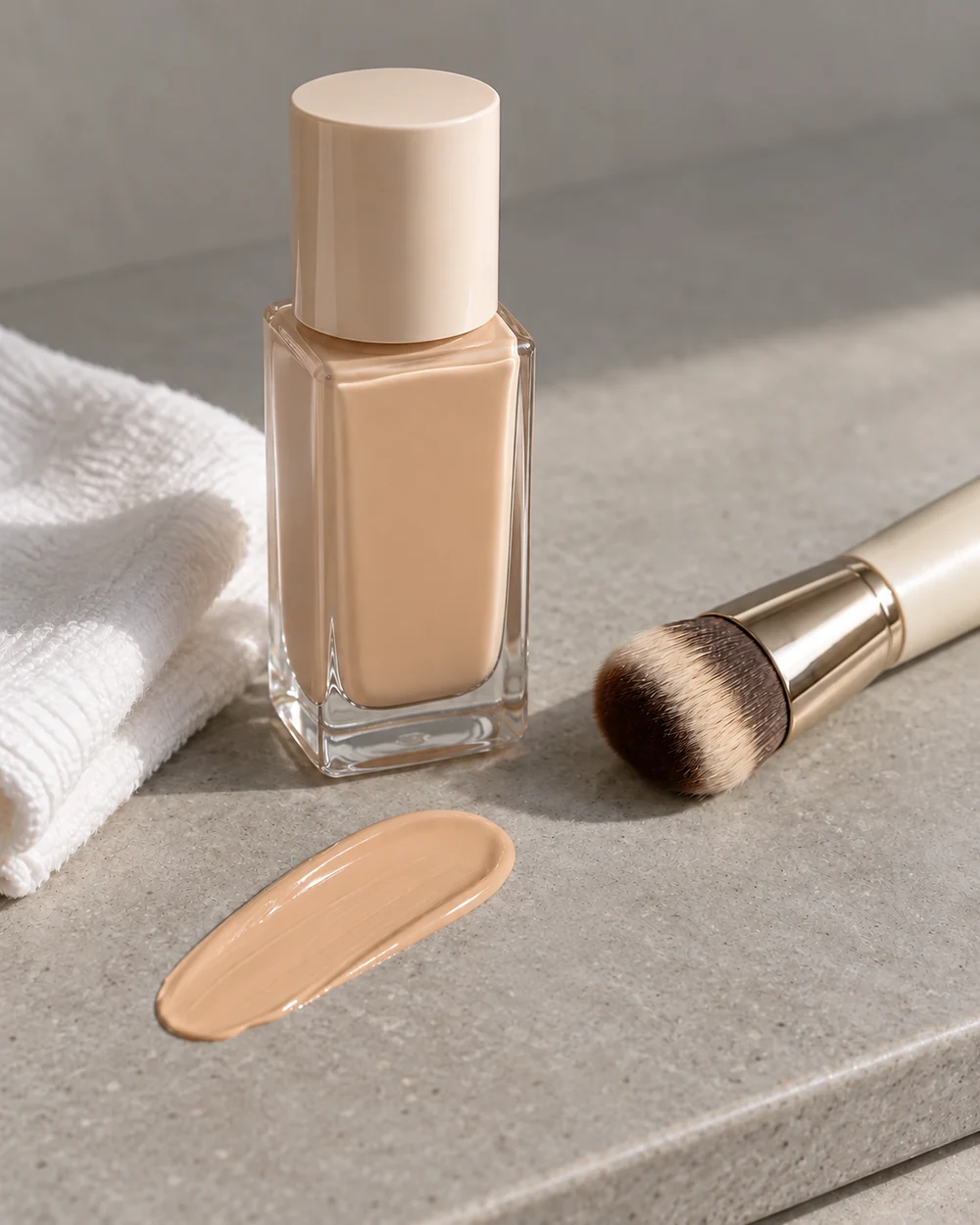
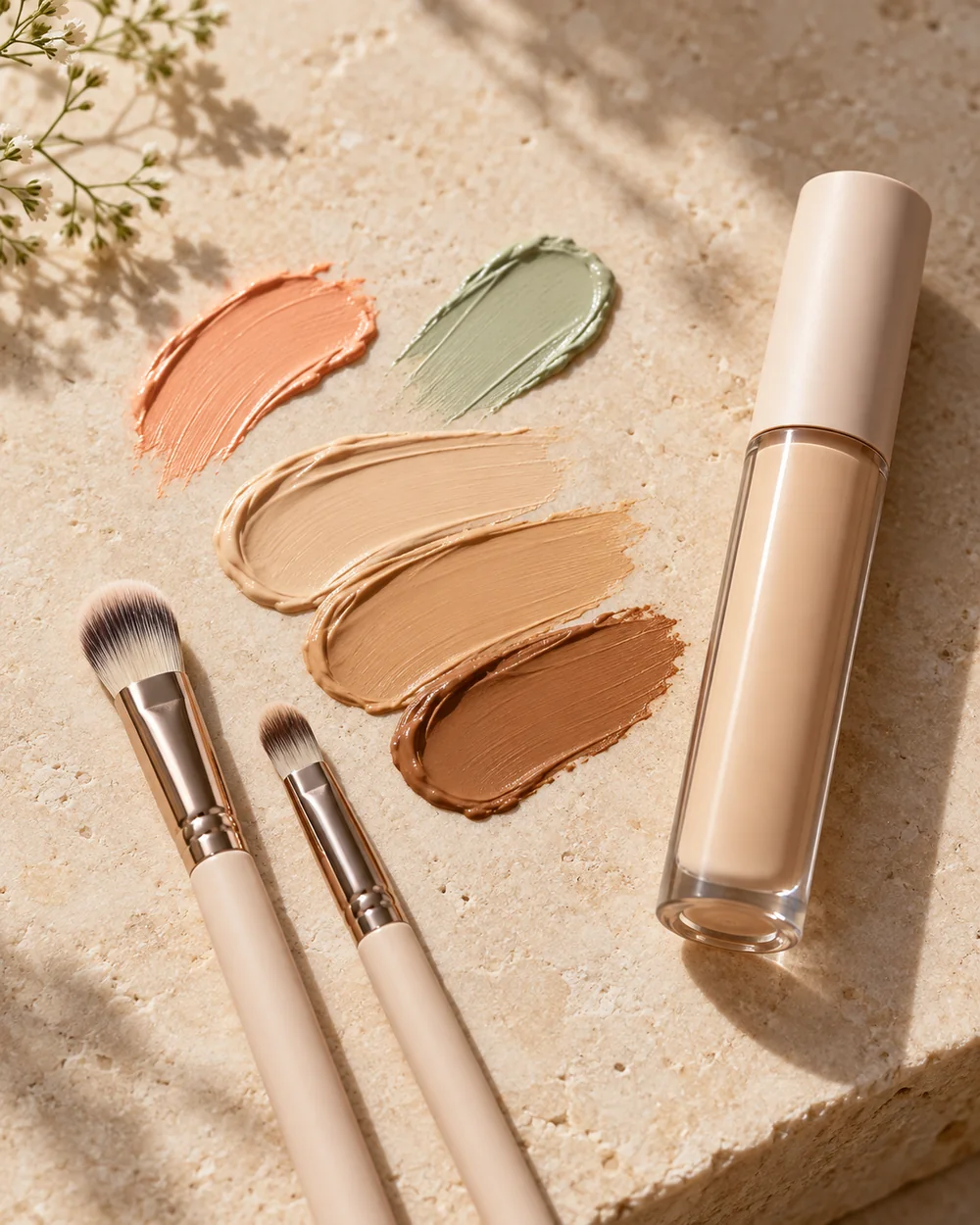
Try a skin-tone concealer first for coverage. Add a small targeted corrector only when changing the visible colour helps without requiring a heavier top layer.
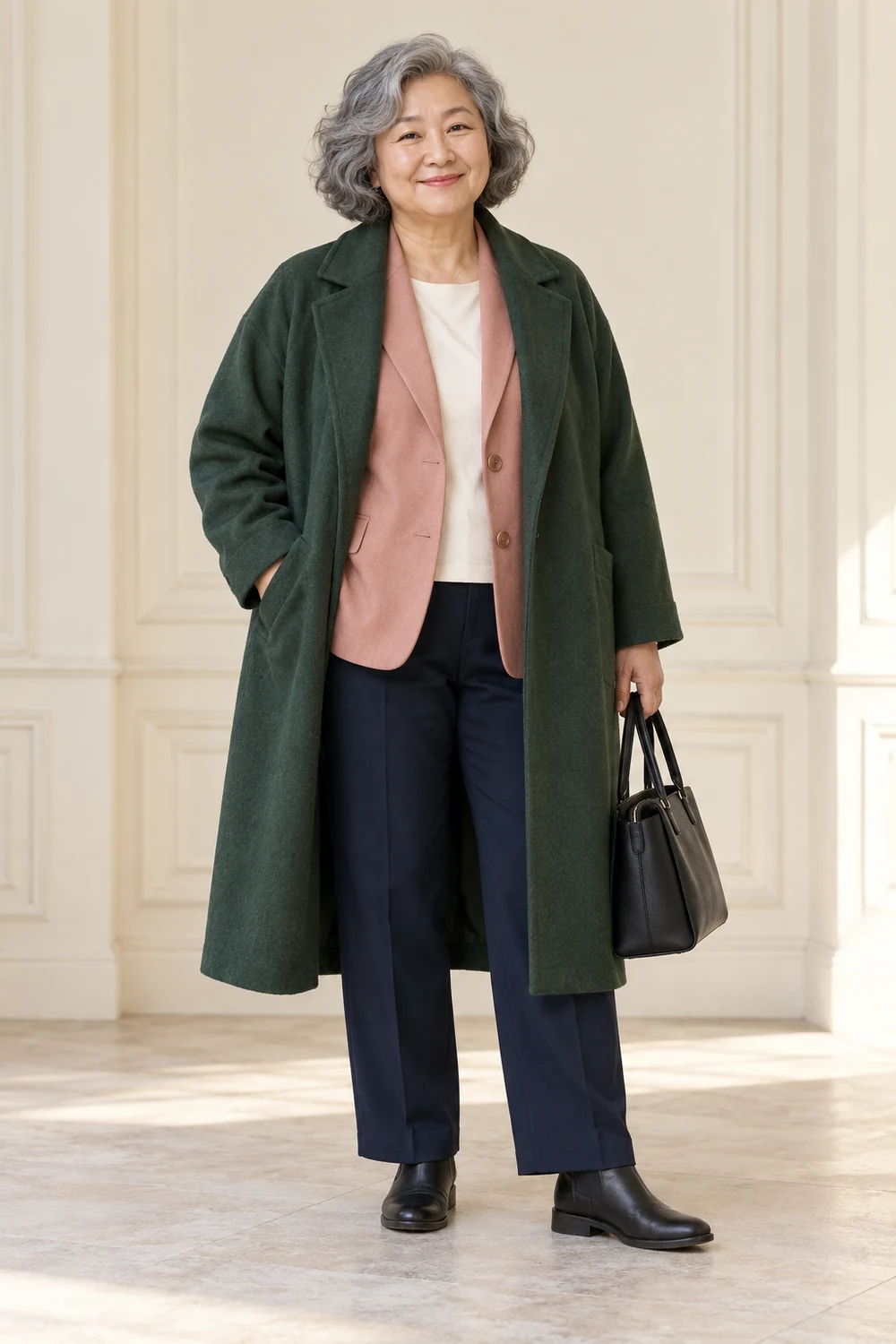
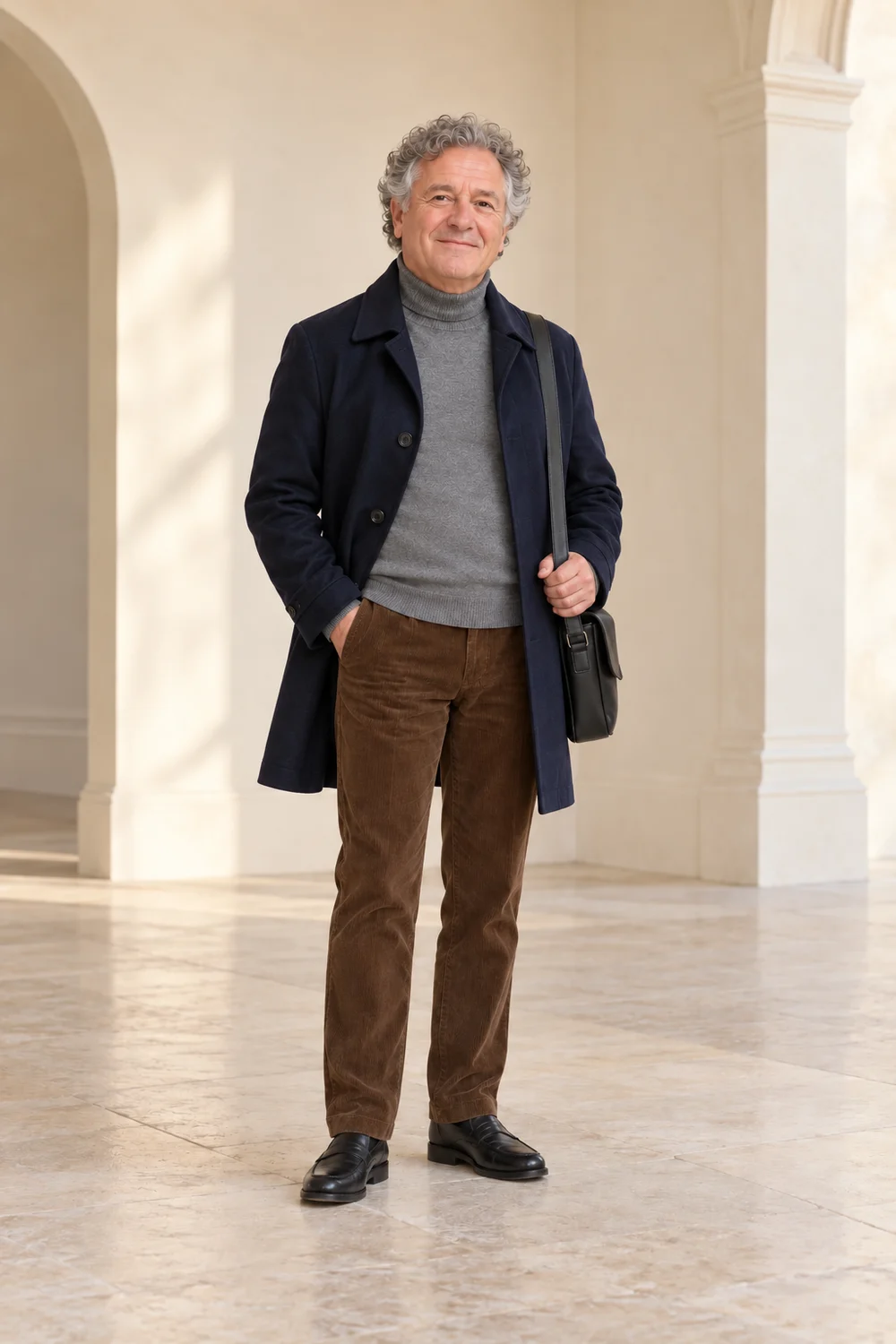
Try the coat over your actual blazer and inner layer, then reach, sit and fasten it.
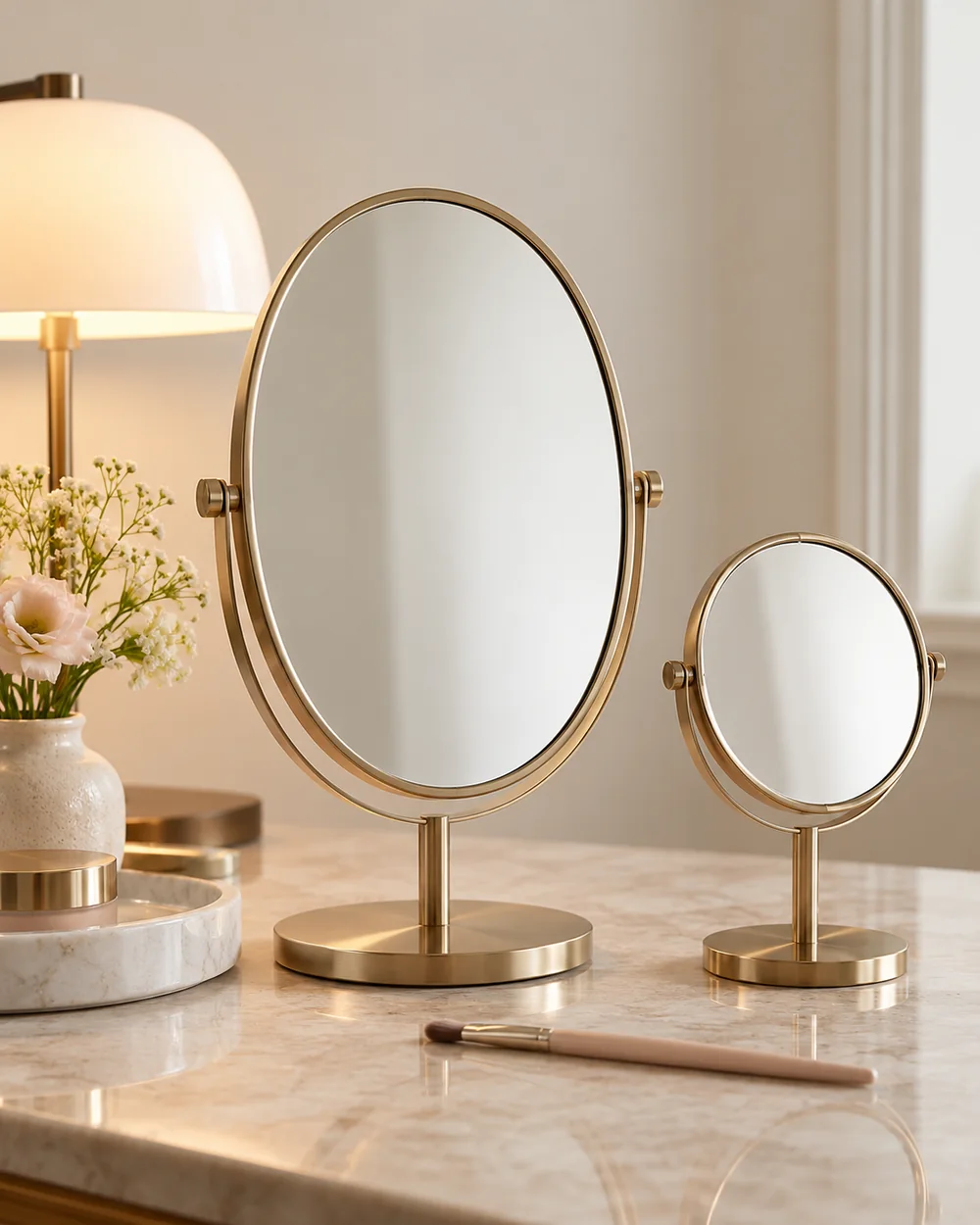
Choose a stable mirror, lighting and working distance that let you see comfortably; use magnification for a specific detail and a full-face view to judge the overall balance.
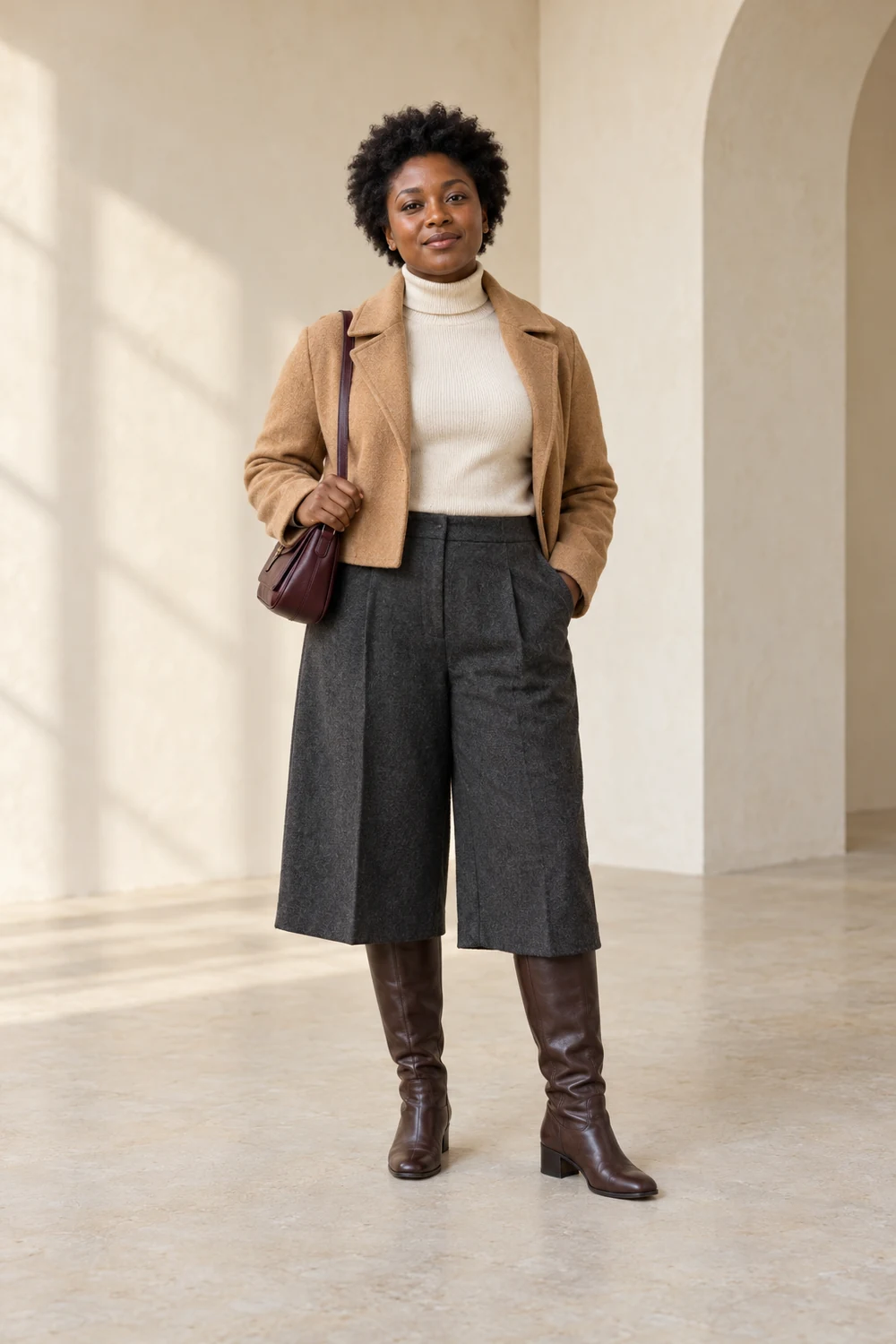
Choose the culotte hem and boot shaft together.
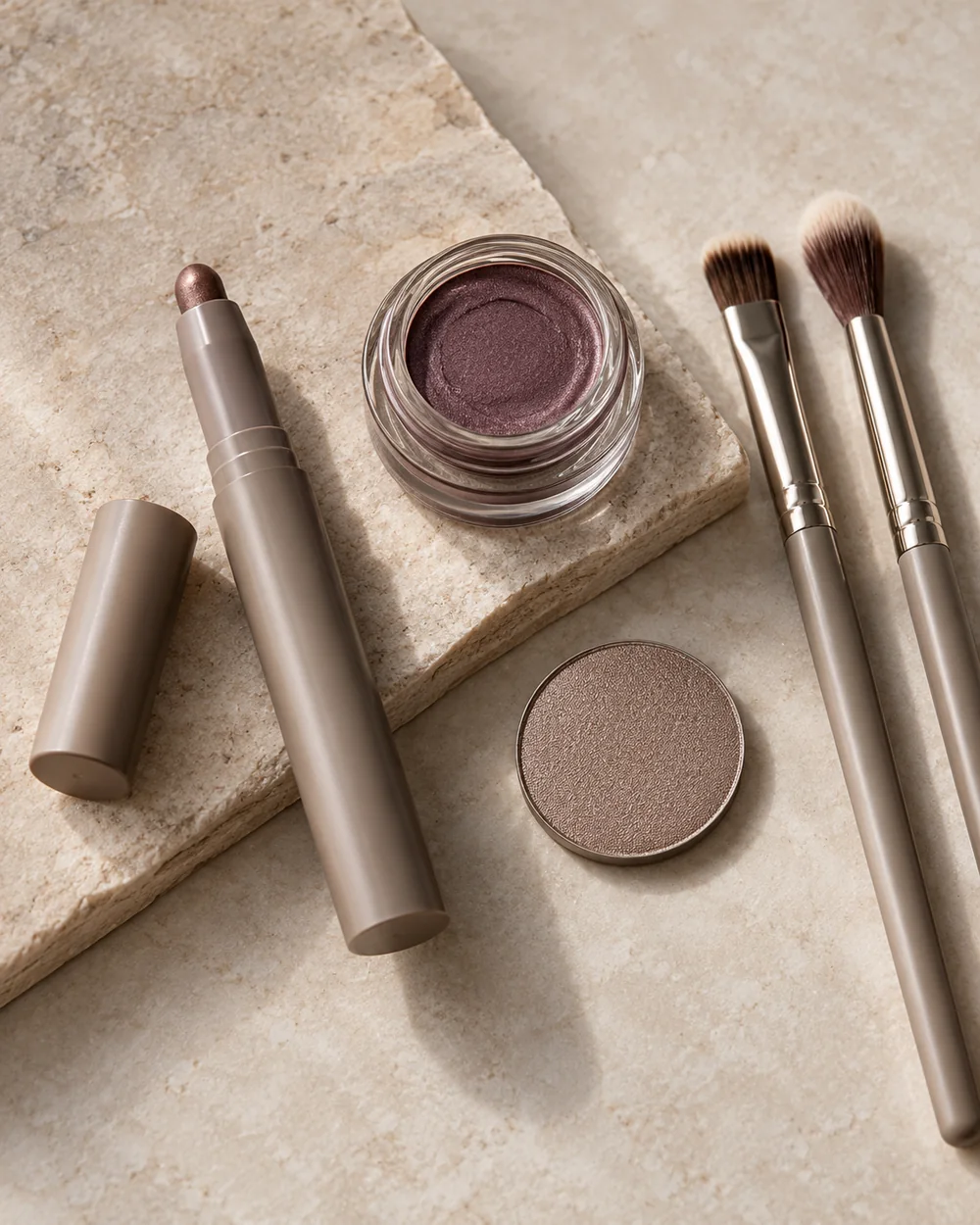
Choose the eye-shadow format by the movement and working time you prefer: a stick for direct placement, a pot for controlled pickup, or powder for gradual brush building.
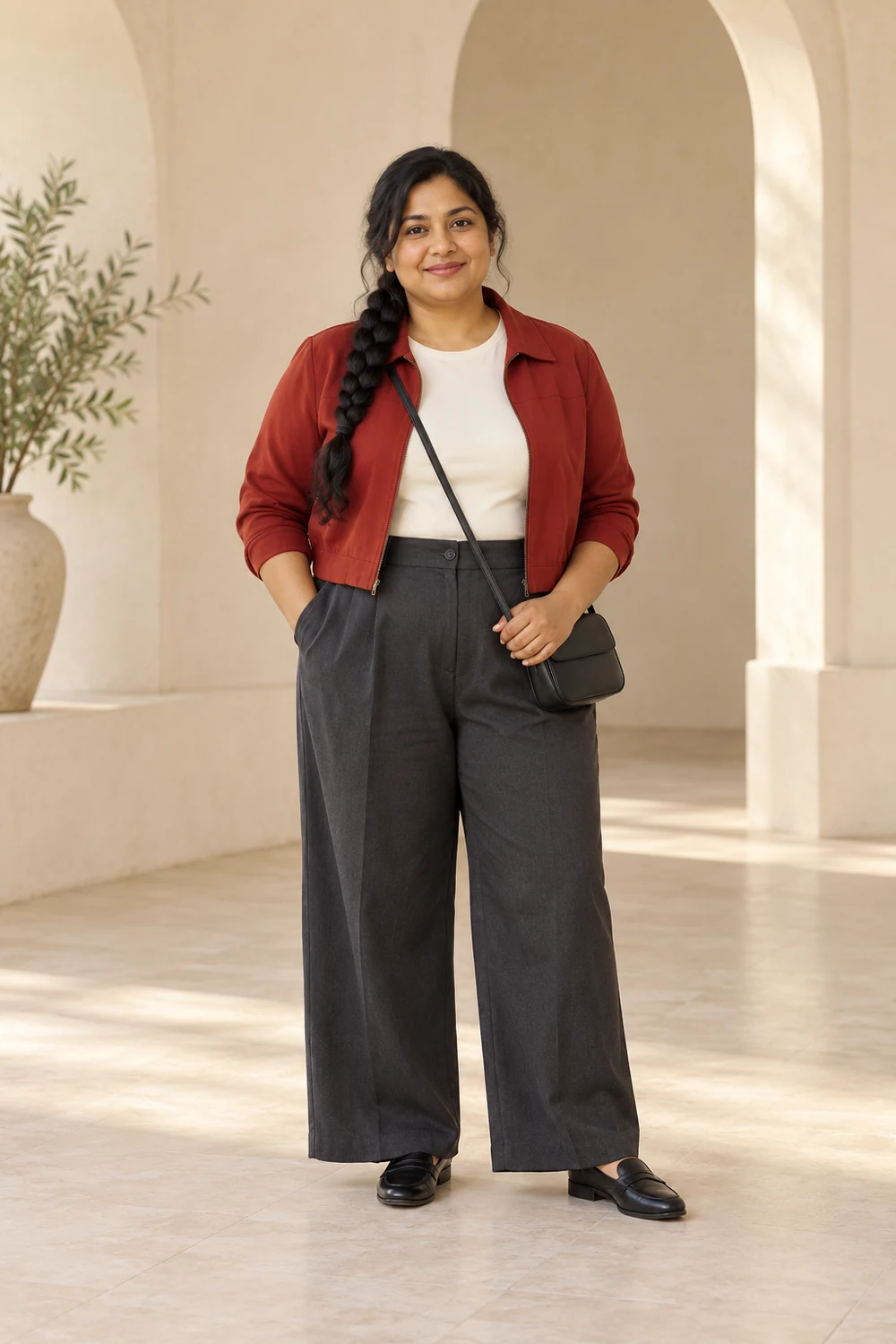
Build the week around one jacket, two tops and two lower halves, then add a coat, shoes and a useful bag.
Keep a lip brush for small controlled placement, a pencil for an outline you actually want, and the product's own applicator for simple application. You do not need all three for every lip.
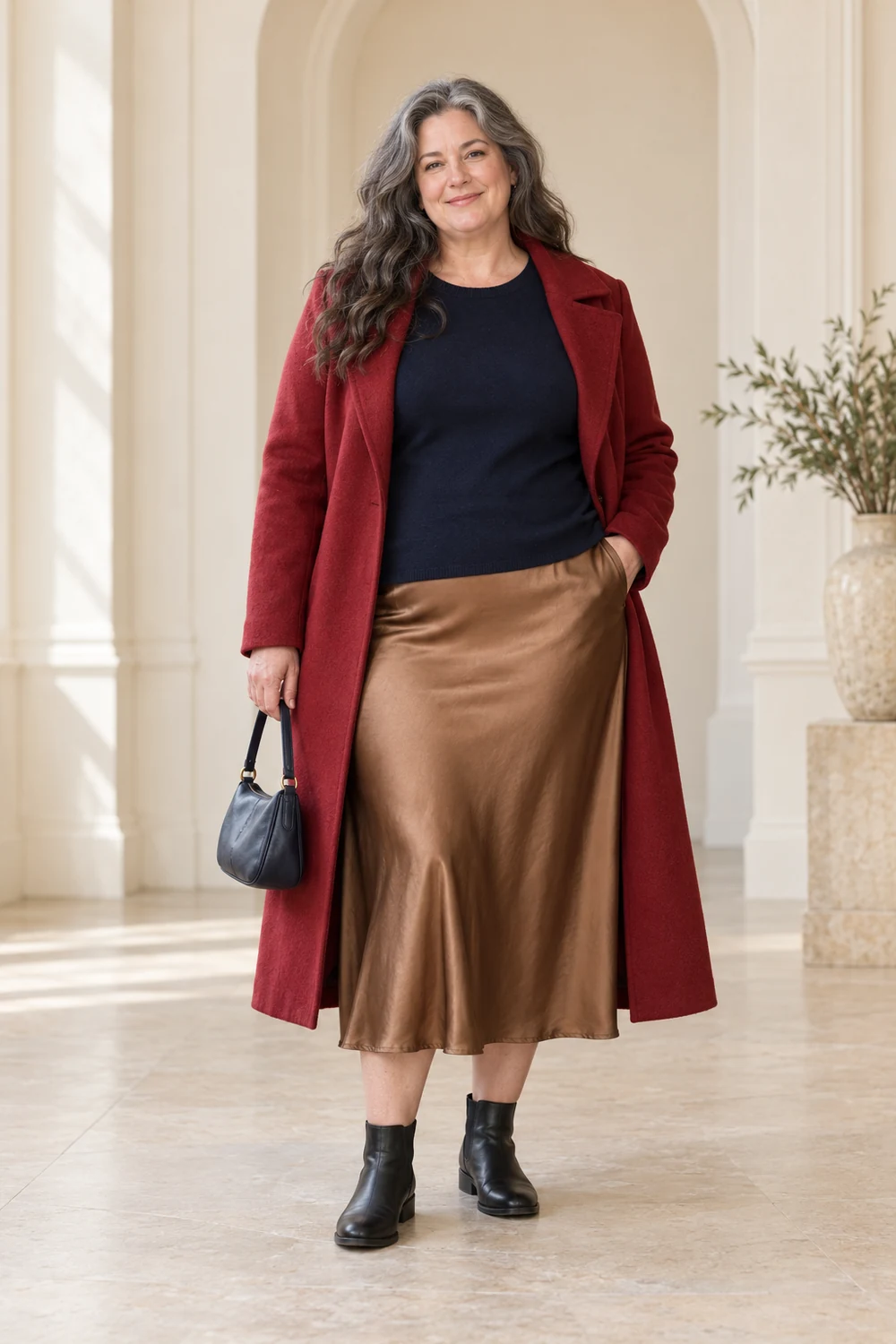
If a satin skirt clings or rides, check fit, lining and the layers touching it before trying a new treatment.
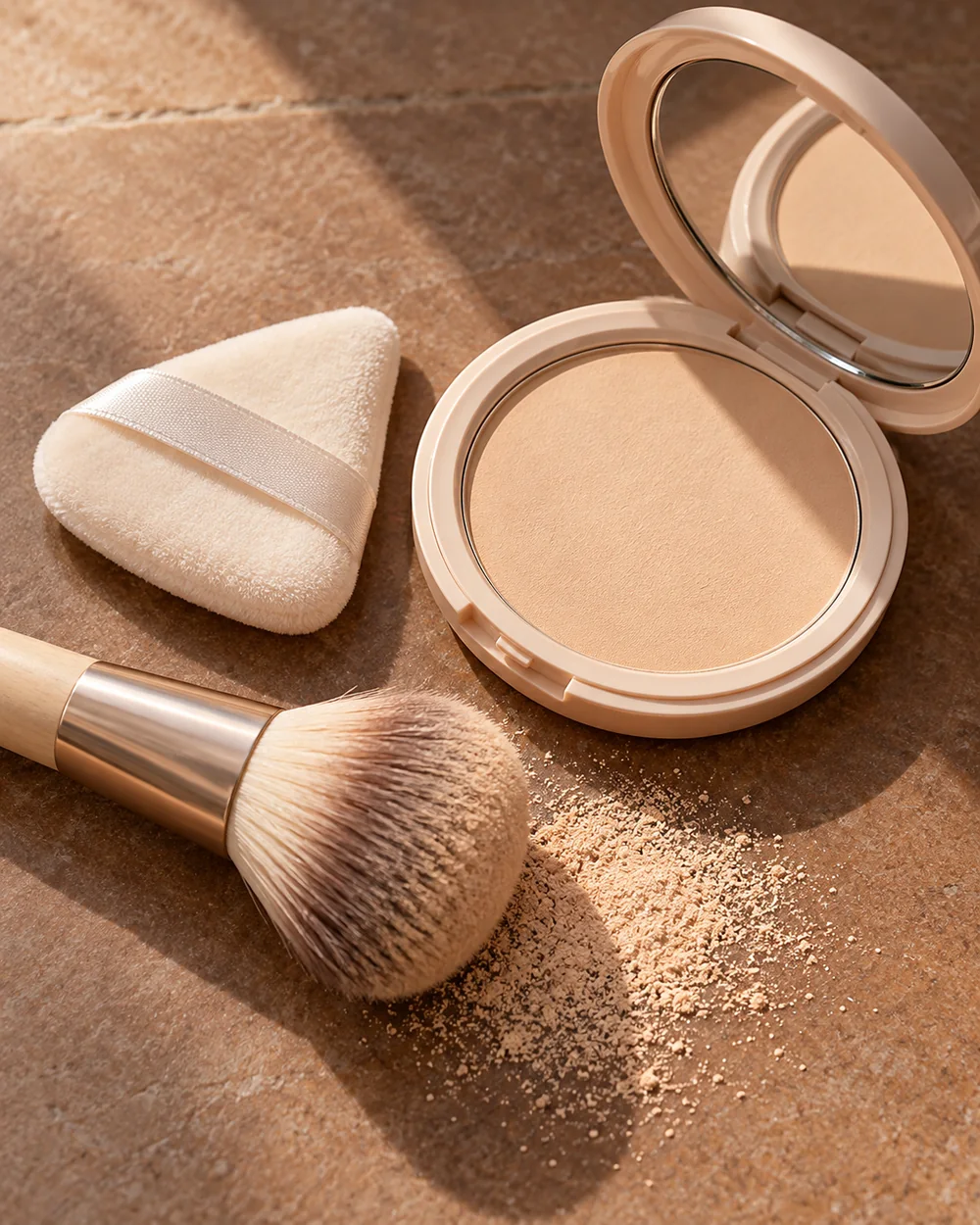
Use a small puff for controlled pressing or a small brush for a lighter sweep. Start with less powder and choose the contact area that matches the patch you want to change.
Use the field jacket as a practical outer layer over a light shirt, with charcoal trousers and brown boots.
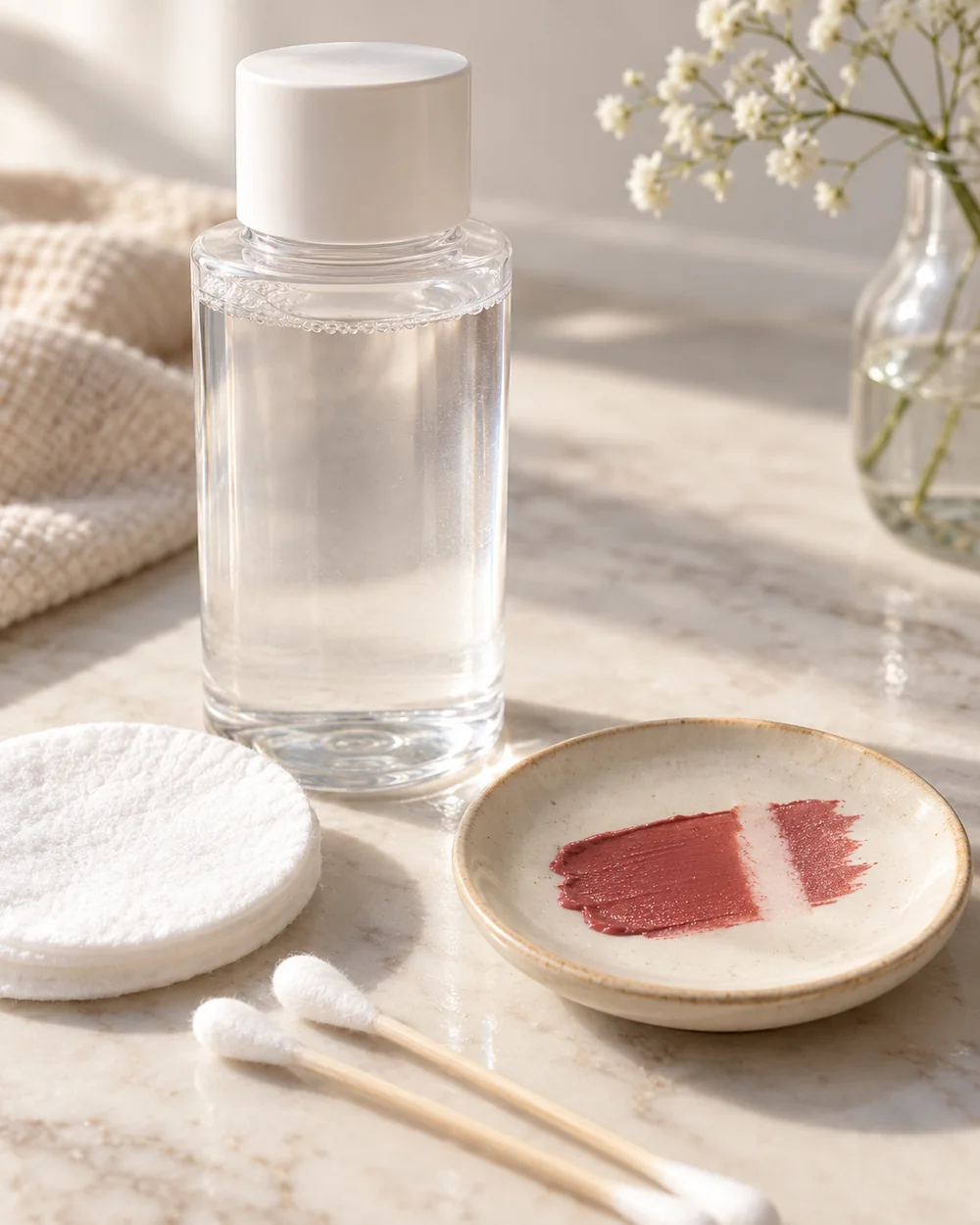
Remove the smallest affected area with a suitable remover, finish its required cleanup, then replace only the makeup you still want.
Choose coat length around your actual journey: sitting, stairs, bag access and weather.
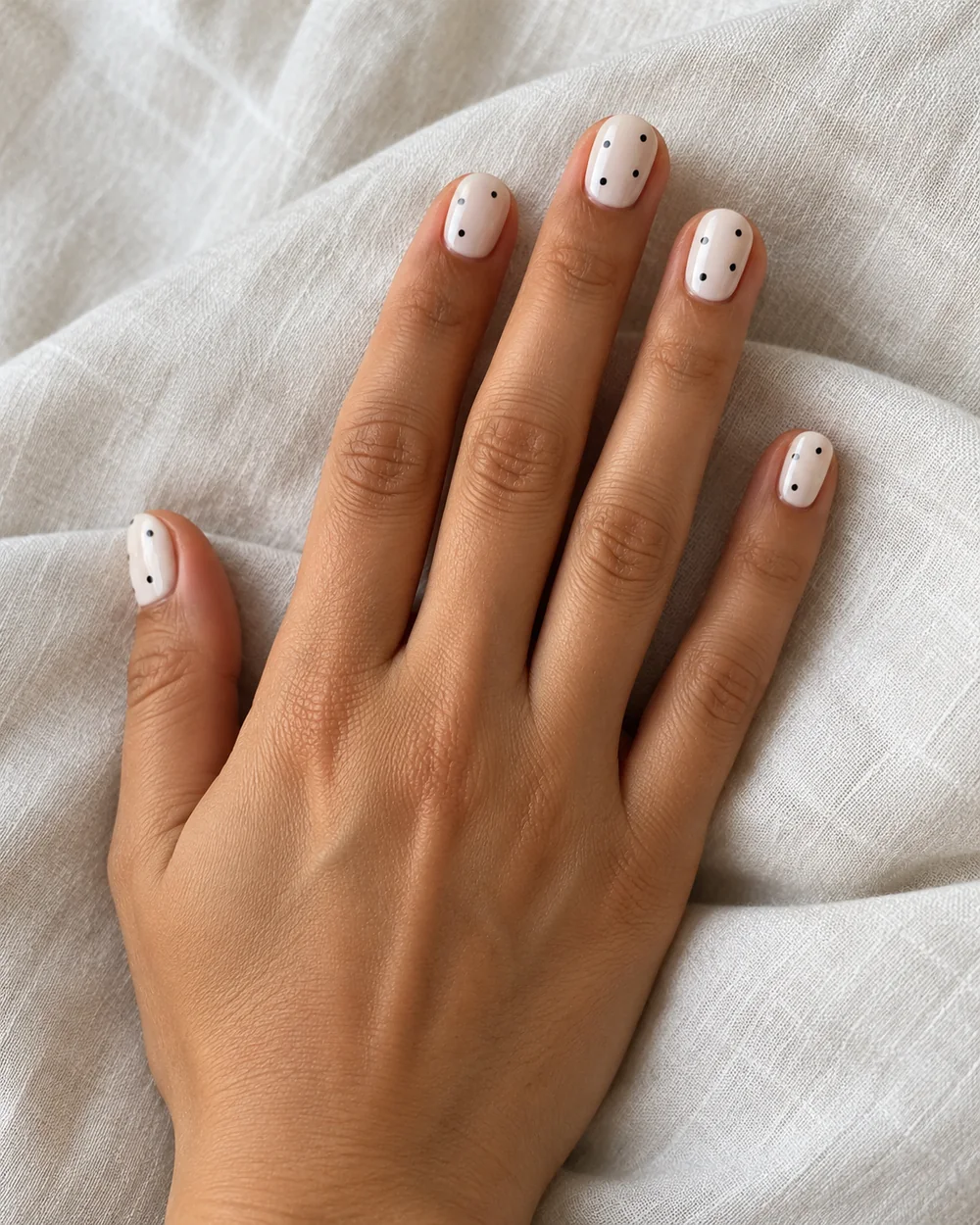
Let an ordinary-polish base dry, then make a few small dots with a lightly loaded dotting tool. Practise spacing on one accent nail before covering all ten.
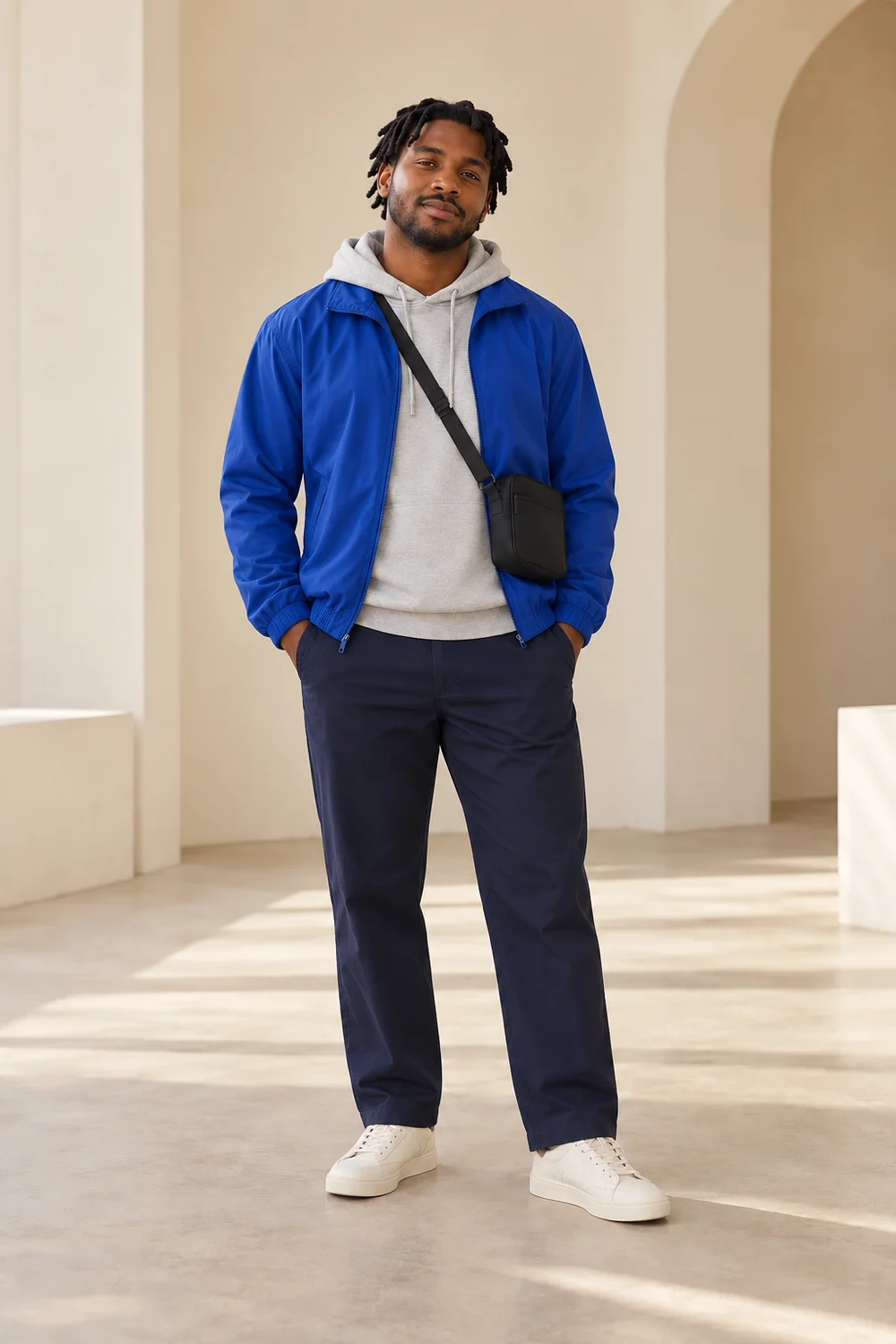
Make cobalt the outer layer and keep grey, navy and cream underneath.
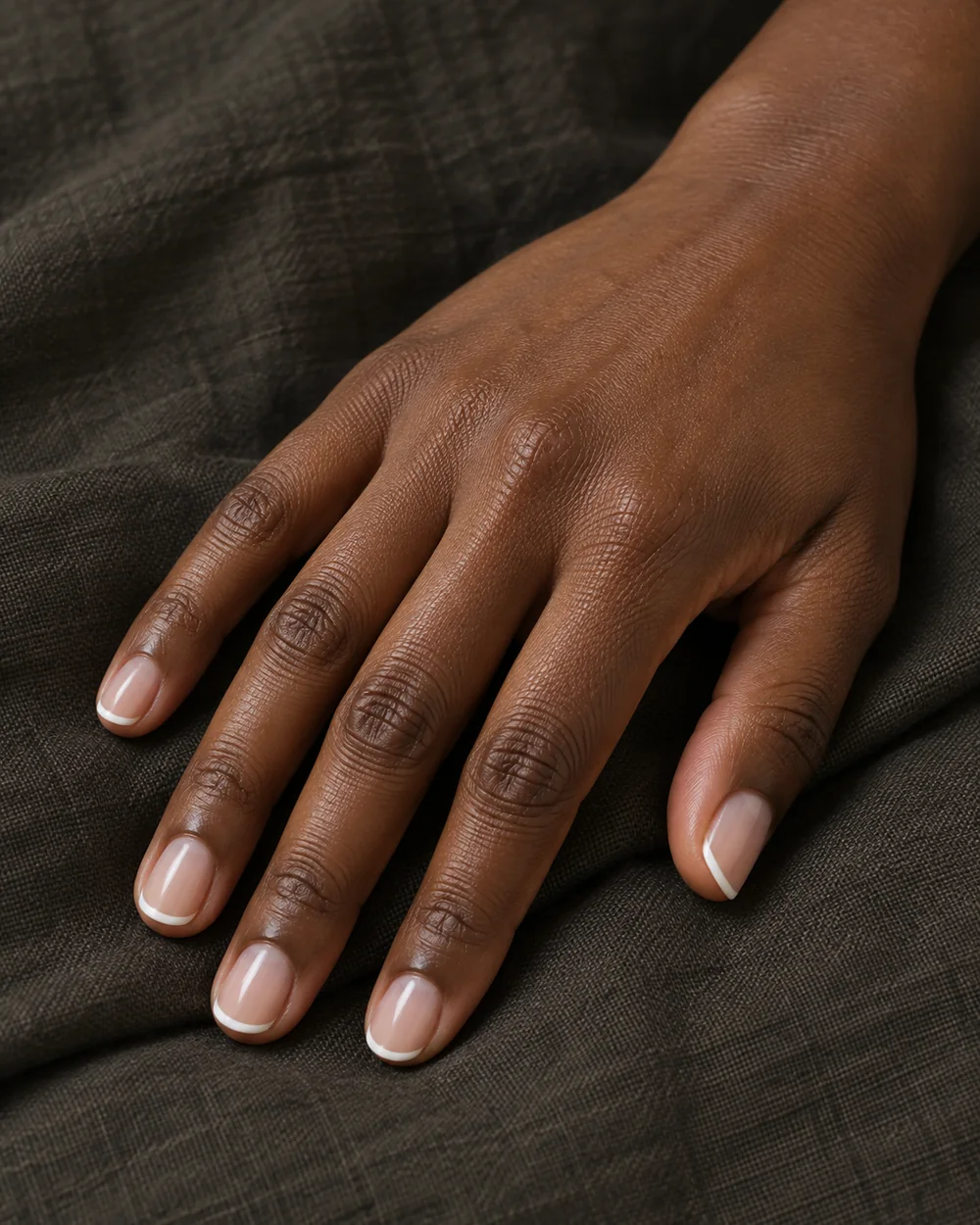
On a short nail, trace a narrow ivory or white line along the free edge with a lightly loaded fine brush, then stop before it becomes a broad band.
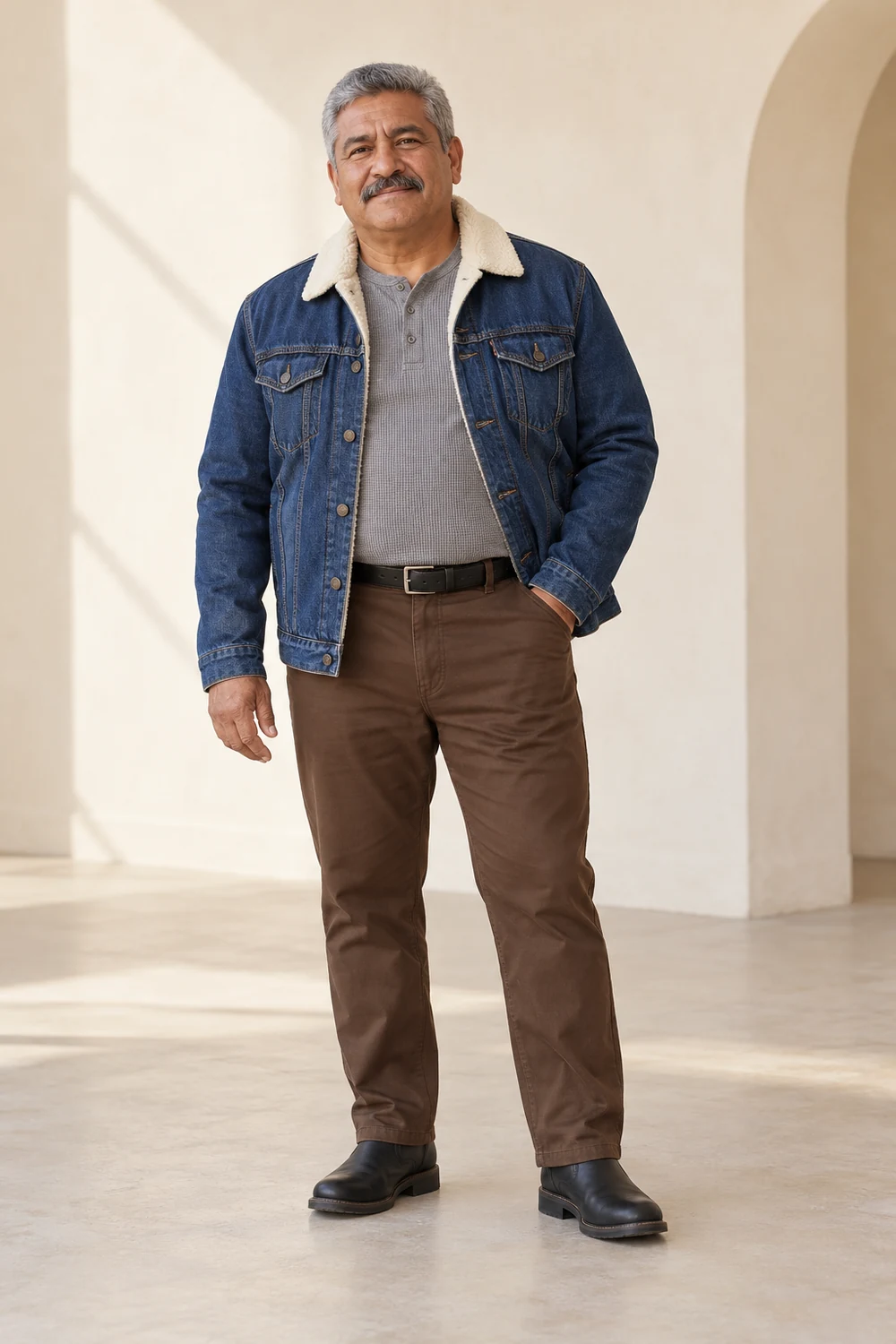
If a lined denim jacket feels cramped, compare the lining, sleeve room and inner-layer thickness separately.
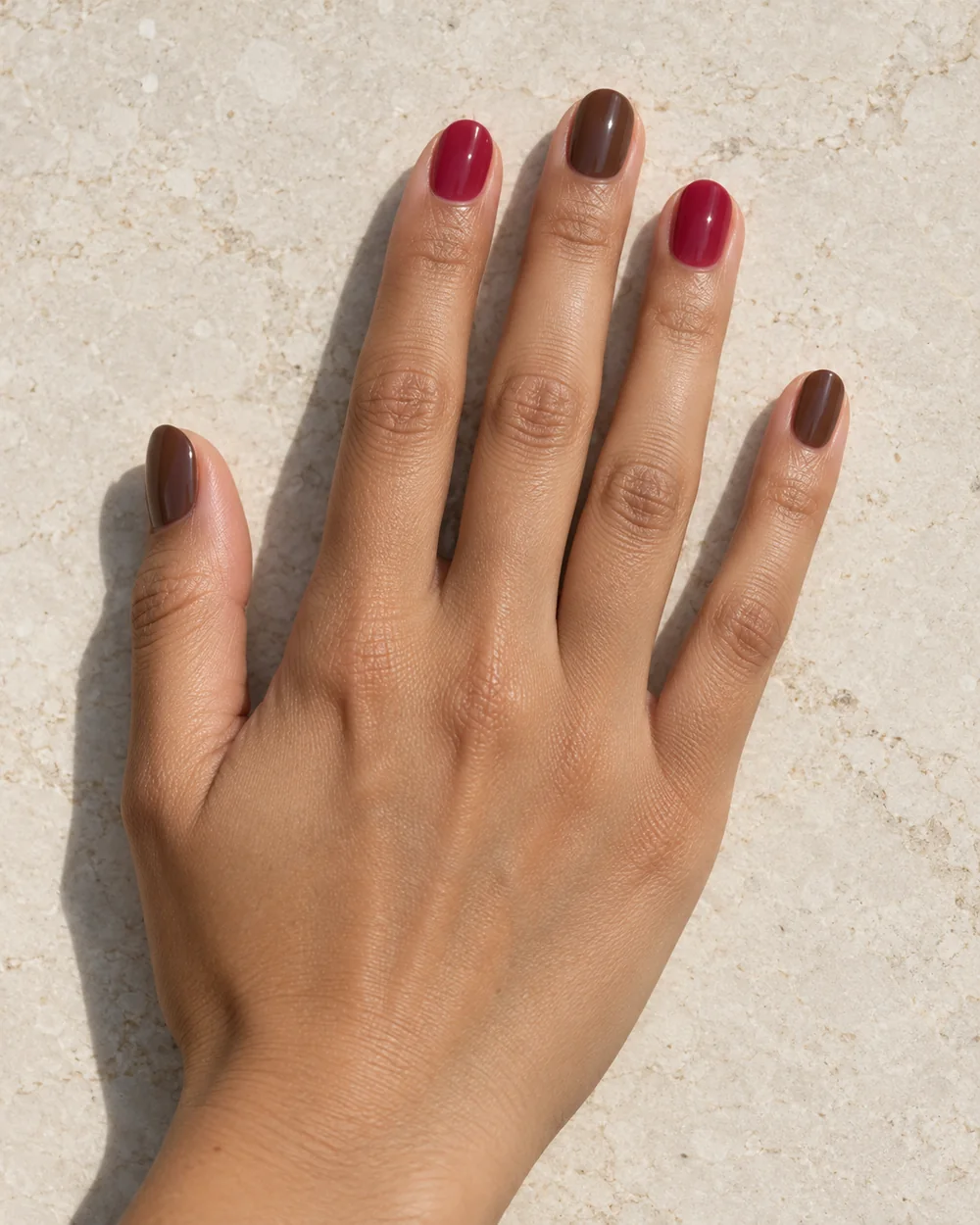
Choose opaque coffee brown for a solid colour block or raspberry jelly for a translucent tint; compare depth and coverage separately before choosing the polish.
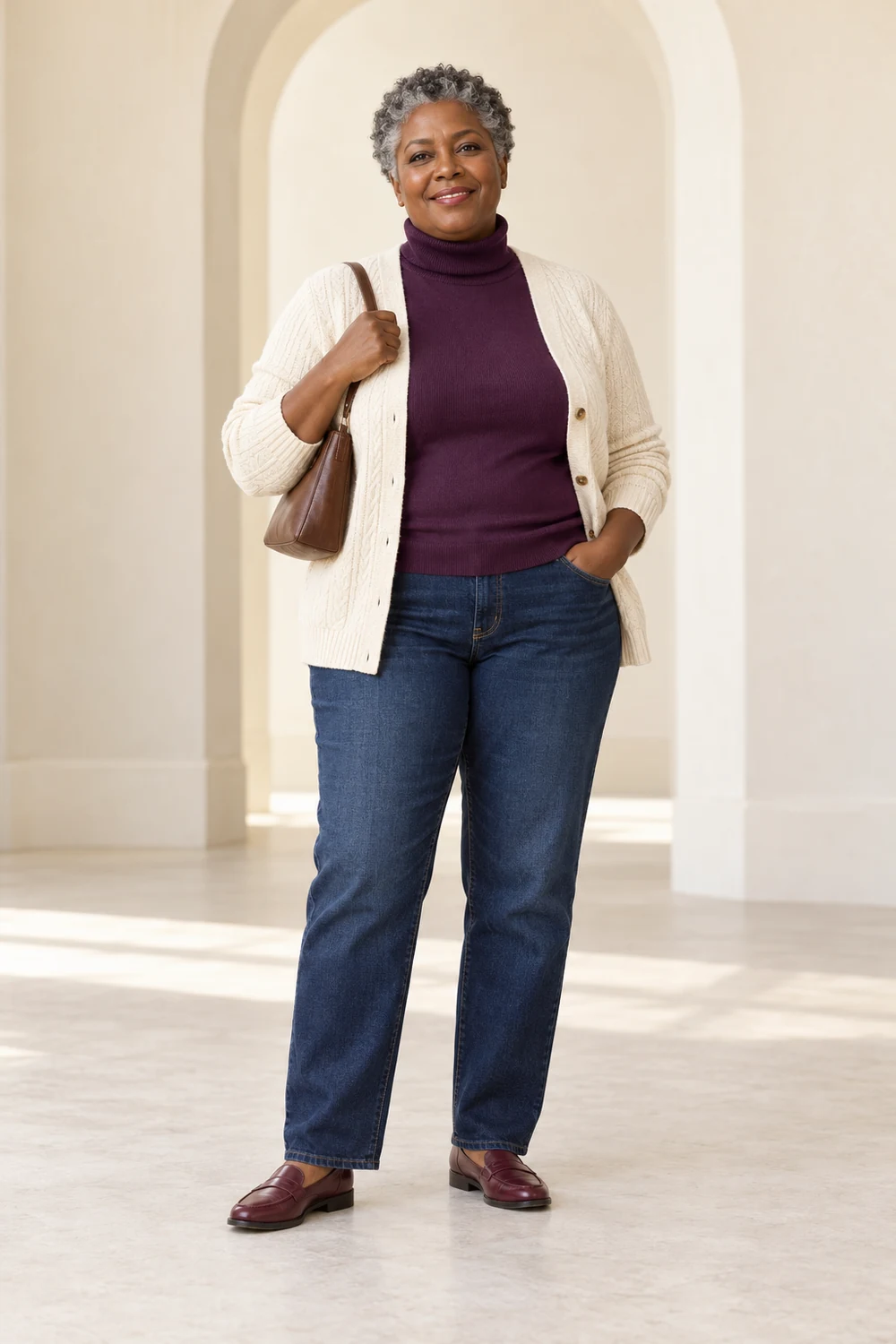
Start with a coat, fine knit, shirt, comfortable trousers and dependable shoes.
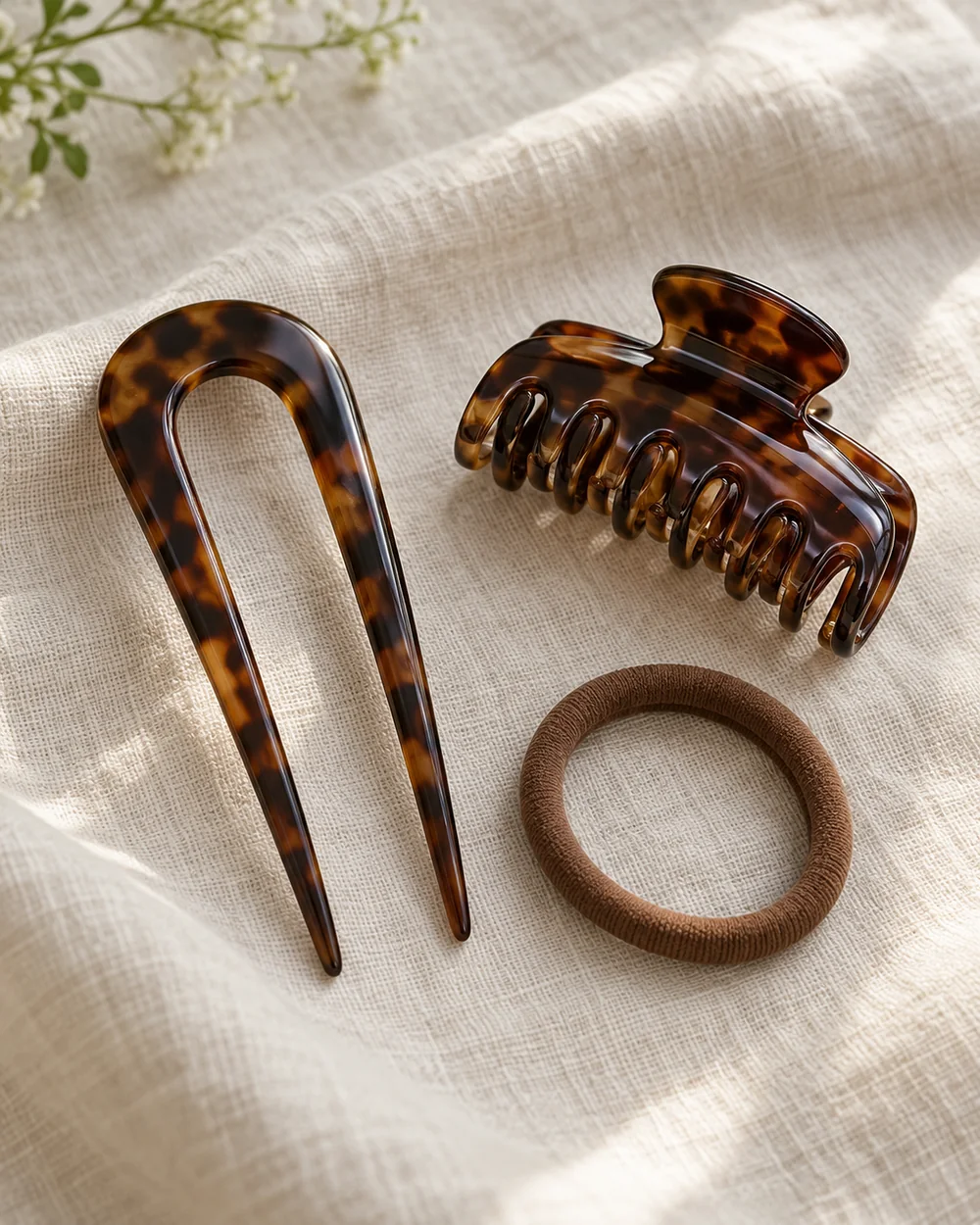
Choose a claw clip for an open-and-close grip or a French pin for anchoring a formed twist; match the tool to the section you can hold comfortably.
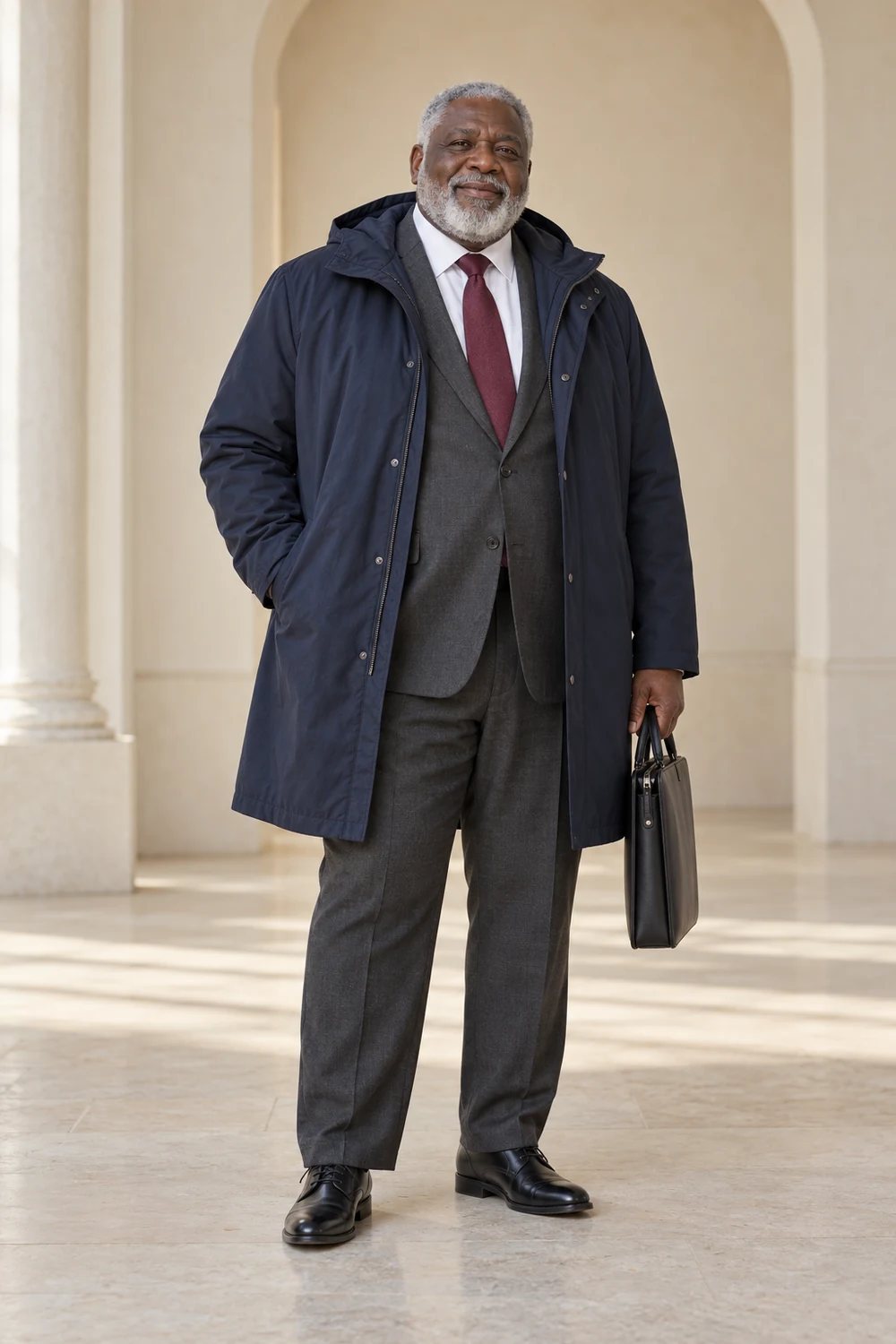
Choose an outer layer that fits over the complete suit and suits the forecast, then check the event’s expectations.
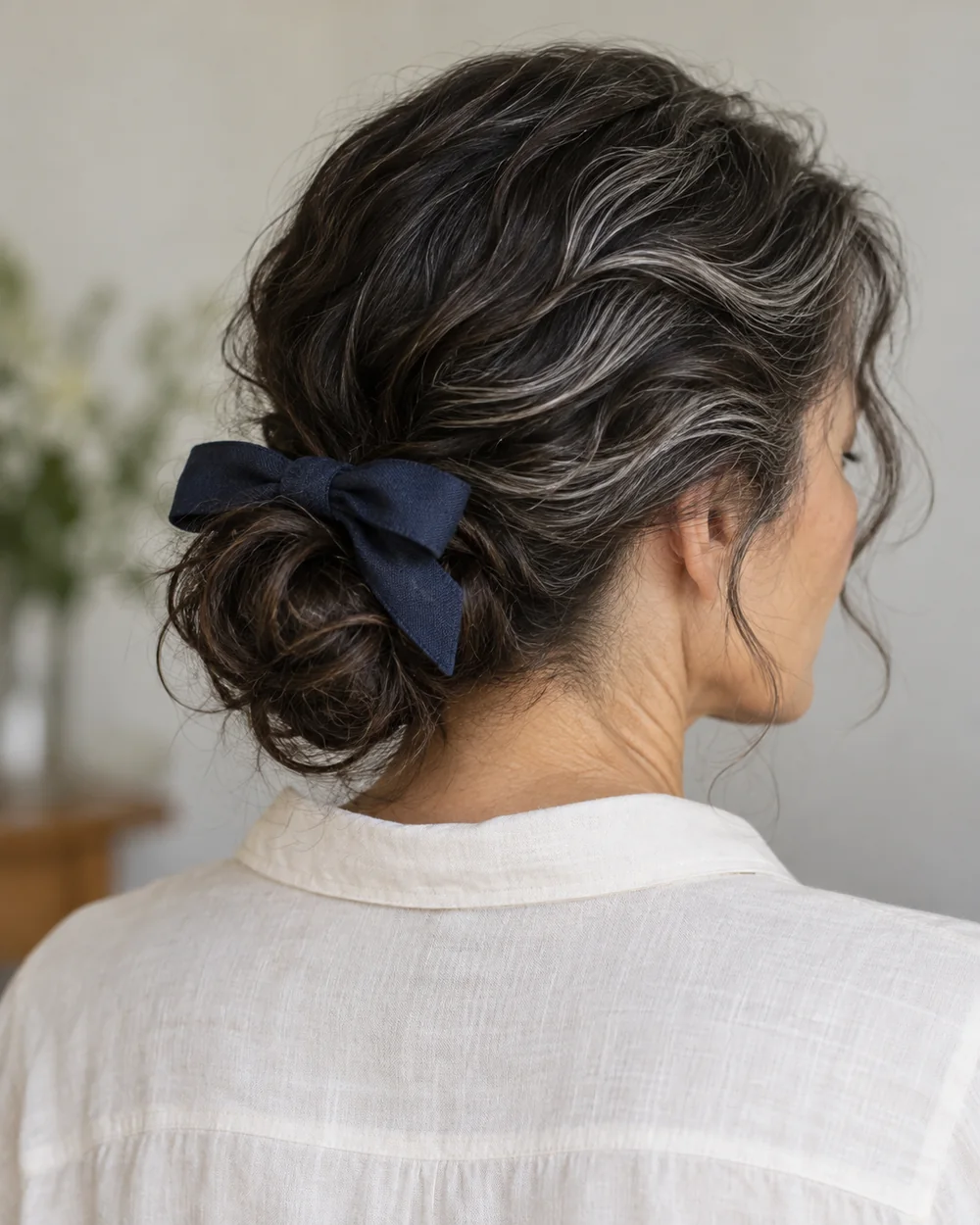
Build the style from three anchors: a comfortable low gathering point, a loosely coiled bun and one small fabric bow that decorates rather than supplies all the hold.
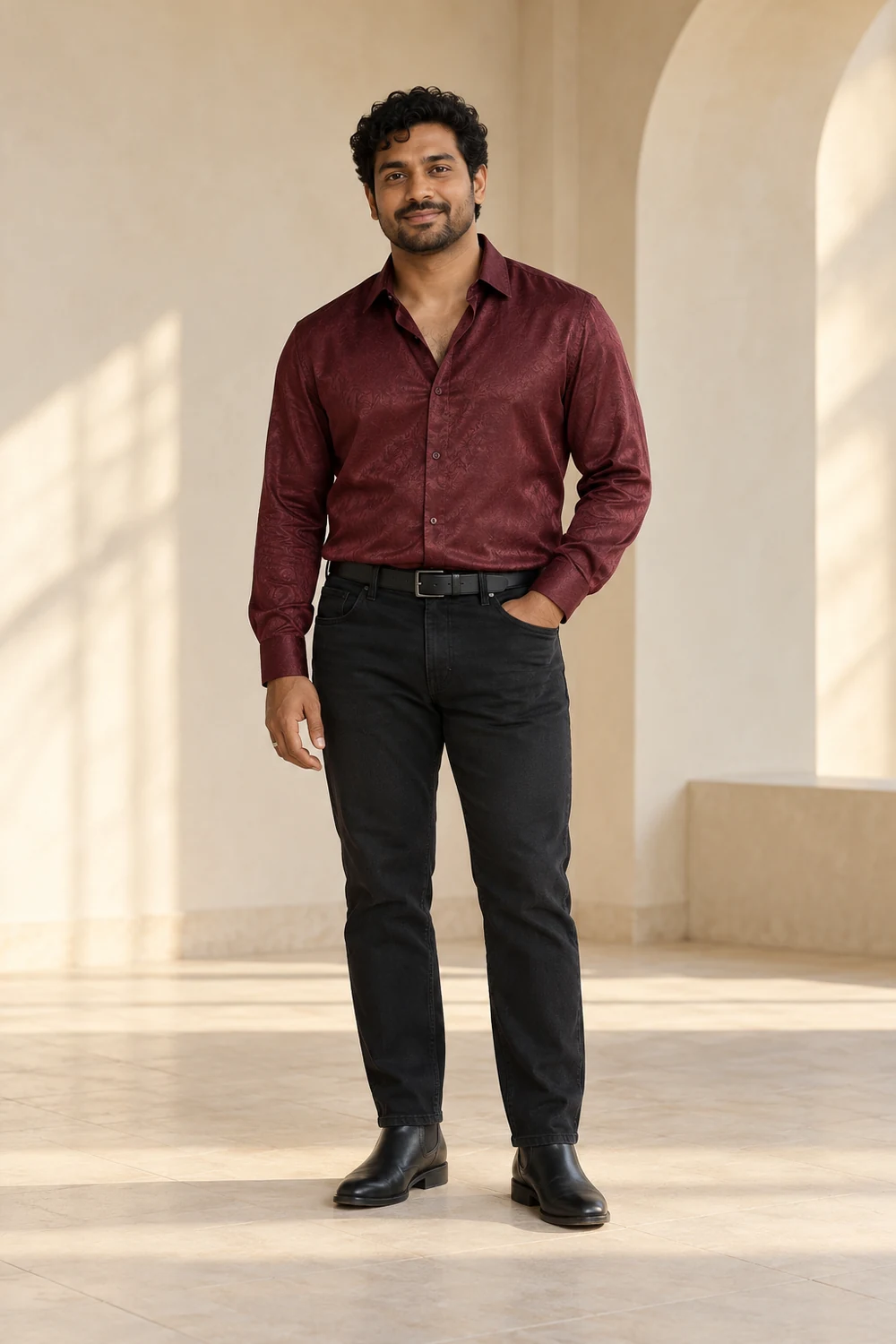
Choose one textured shirt and keep the trousers and shoes plain.
Use a loose braid to explore temporary wave texture, beginning with dry or barely damp hair as appropriate and releasing it gently once fully dry; results will vary with your hair.
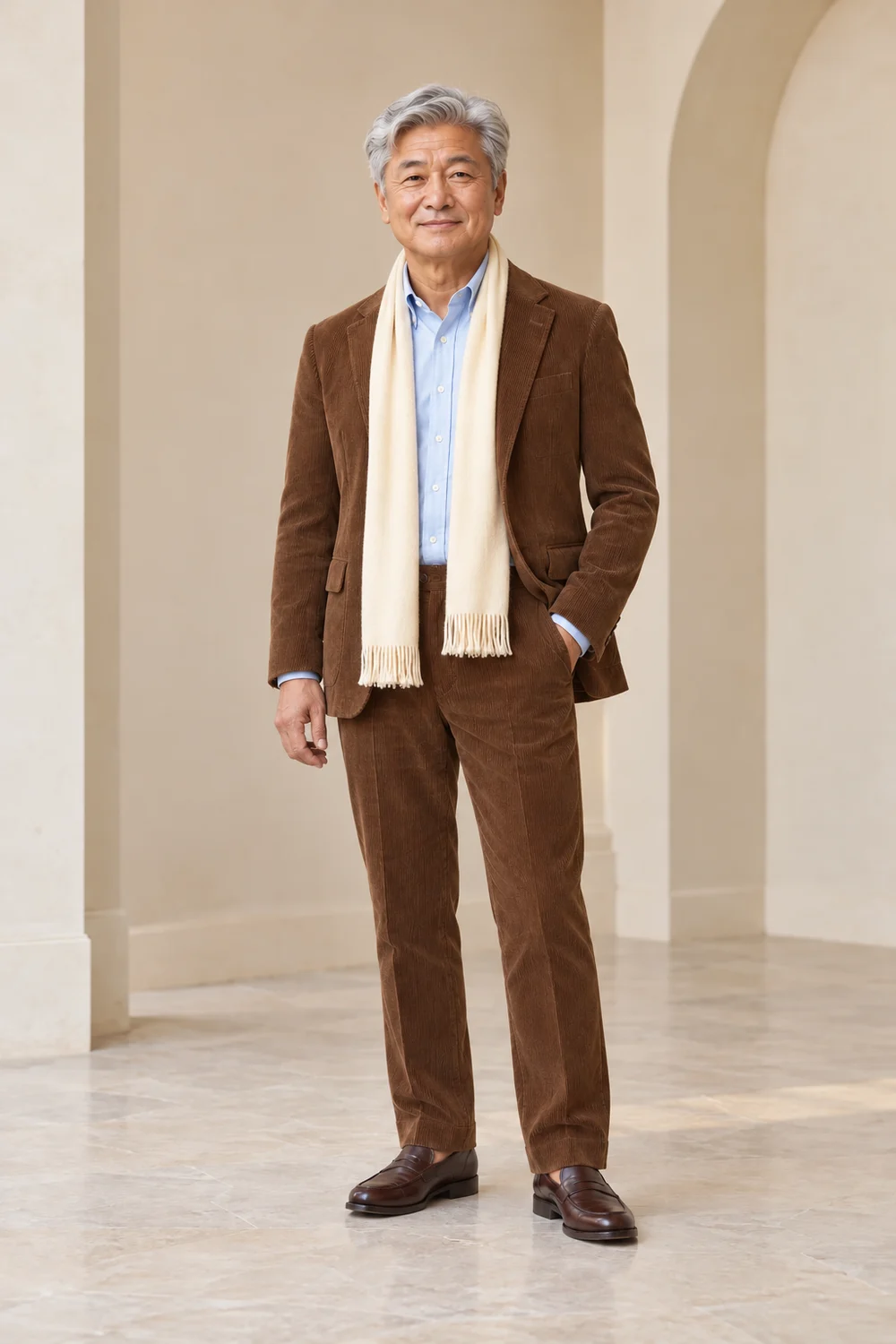
Test a corduroy jacket and trousers as separate garments before treating them as a suit.
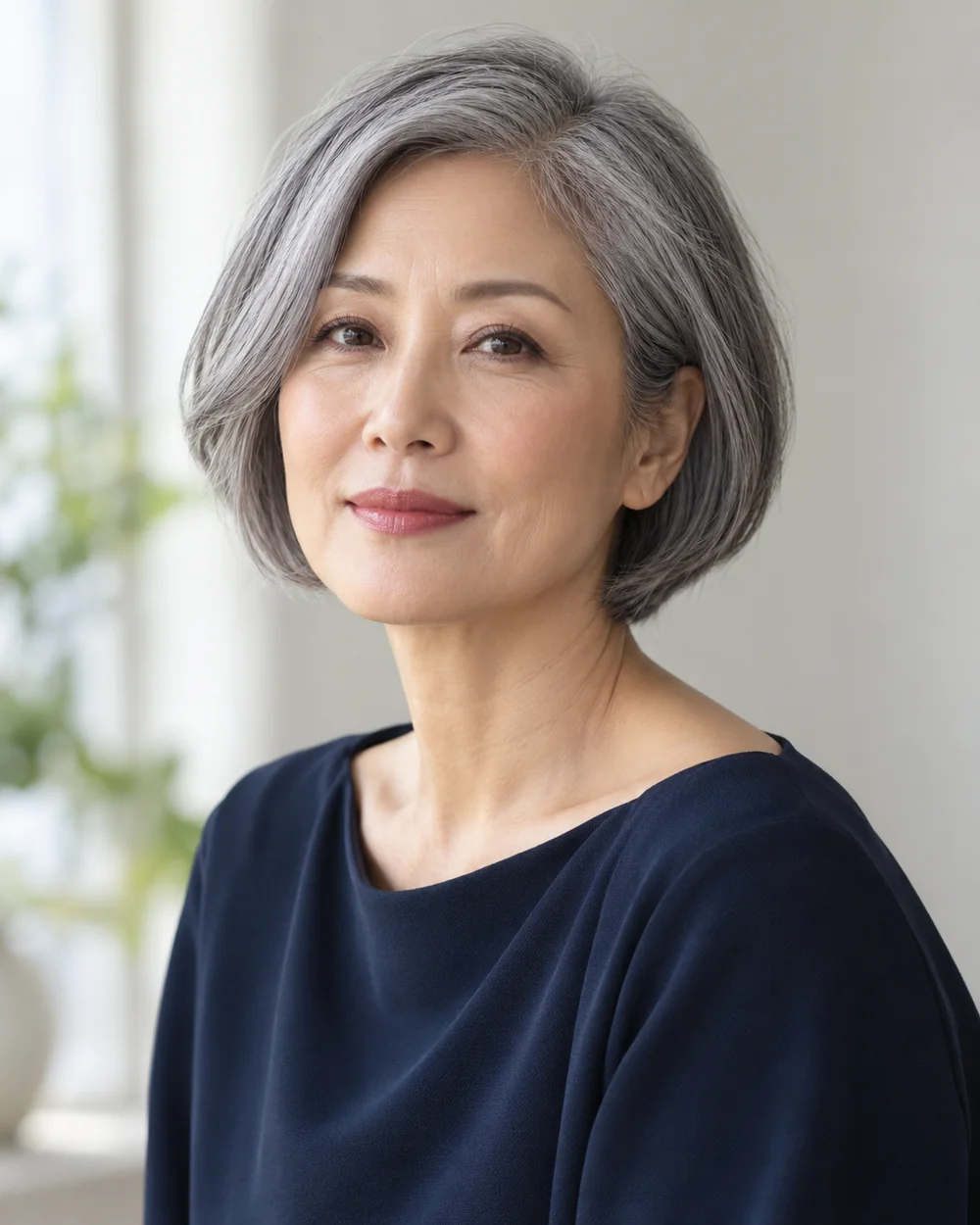
Refresh a bob with three small choices: move the part, tuck one side and add a single clip only if it helps hold the shape you want.
Choose a complete travel outfit first, then pack a small set of tops and one extra lower half that work with it.
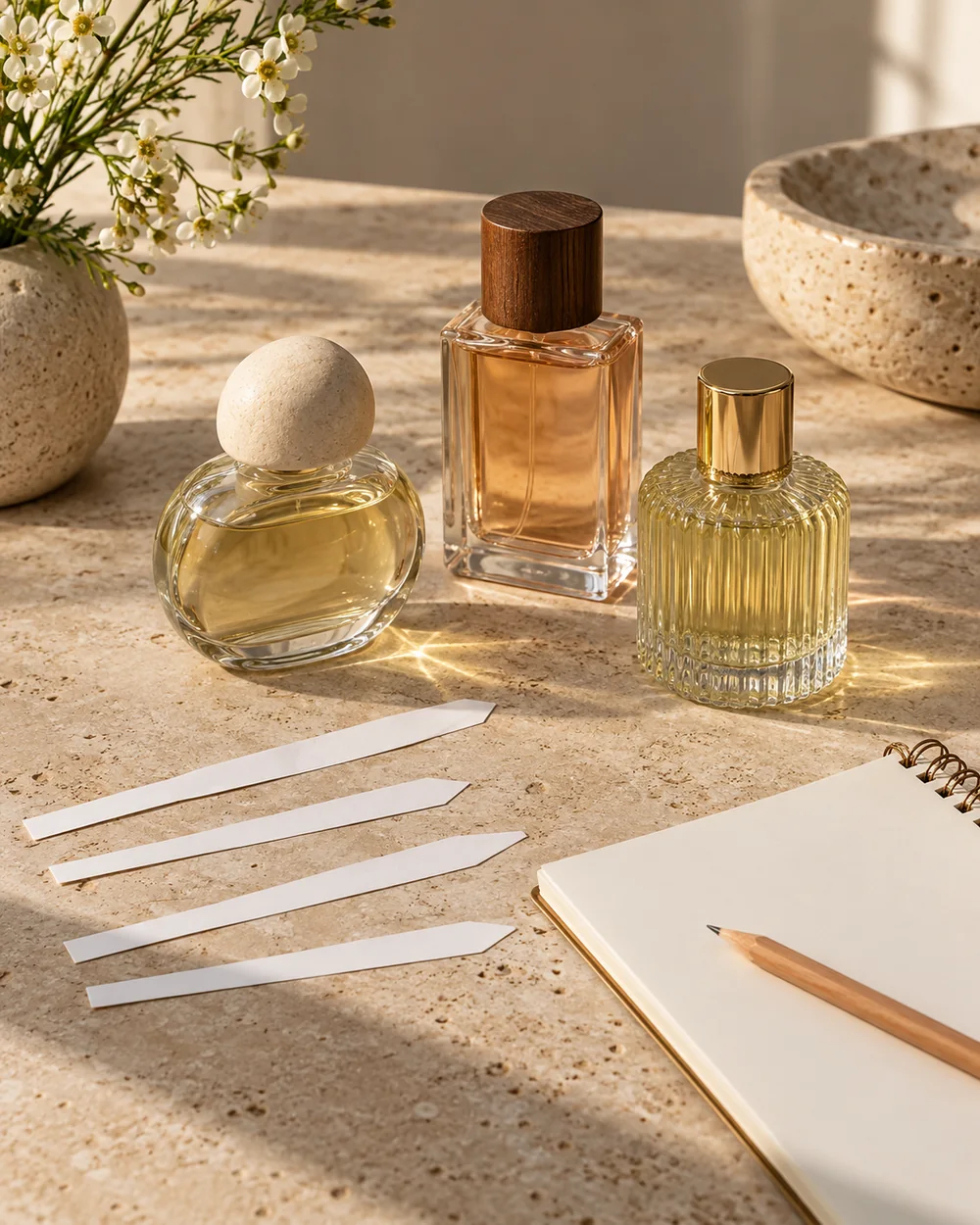
Begin a fragrance wardrobe with samples and a record of what you enjoy at first and later; buy a bottle only when it fills a real use you can name.
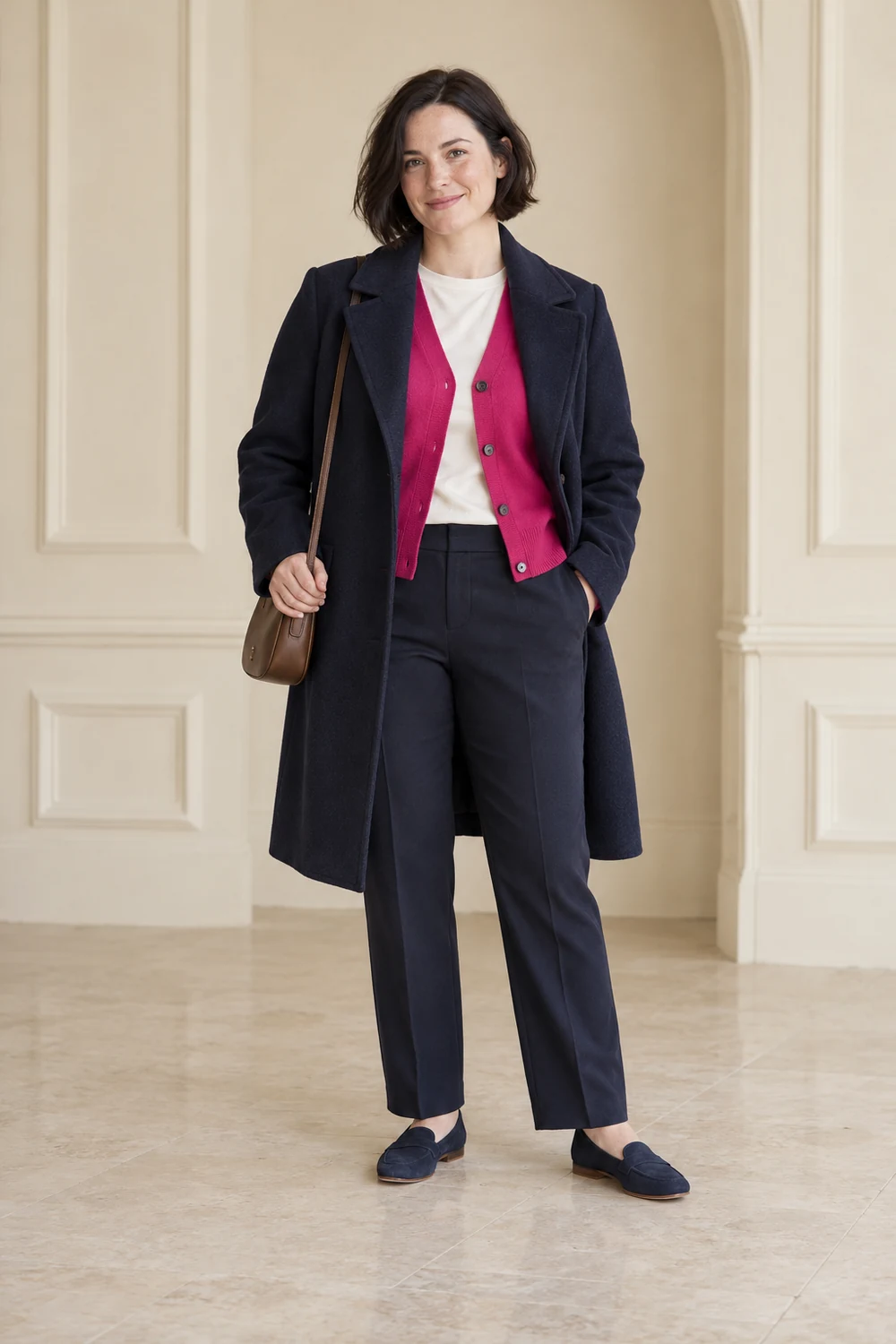
Use fuchsia in one cardigan, scarf or bag and let familiar navy and ivory carry the rest.
No guides match yet. Try a different word or reset the filters.