Eyes & Lips · 5 min read
Blurred lipstick edges: a controlled colour fade
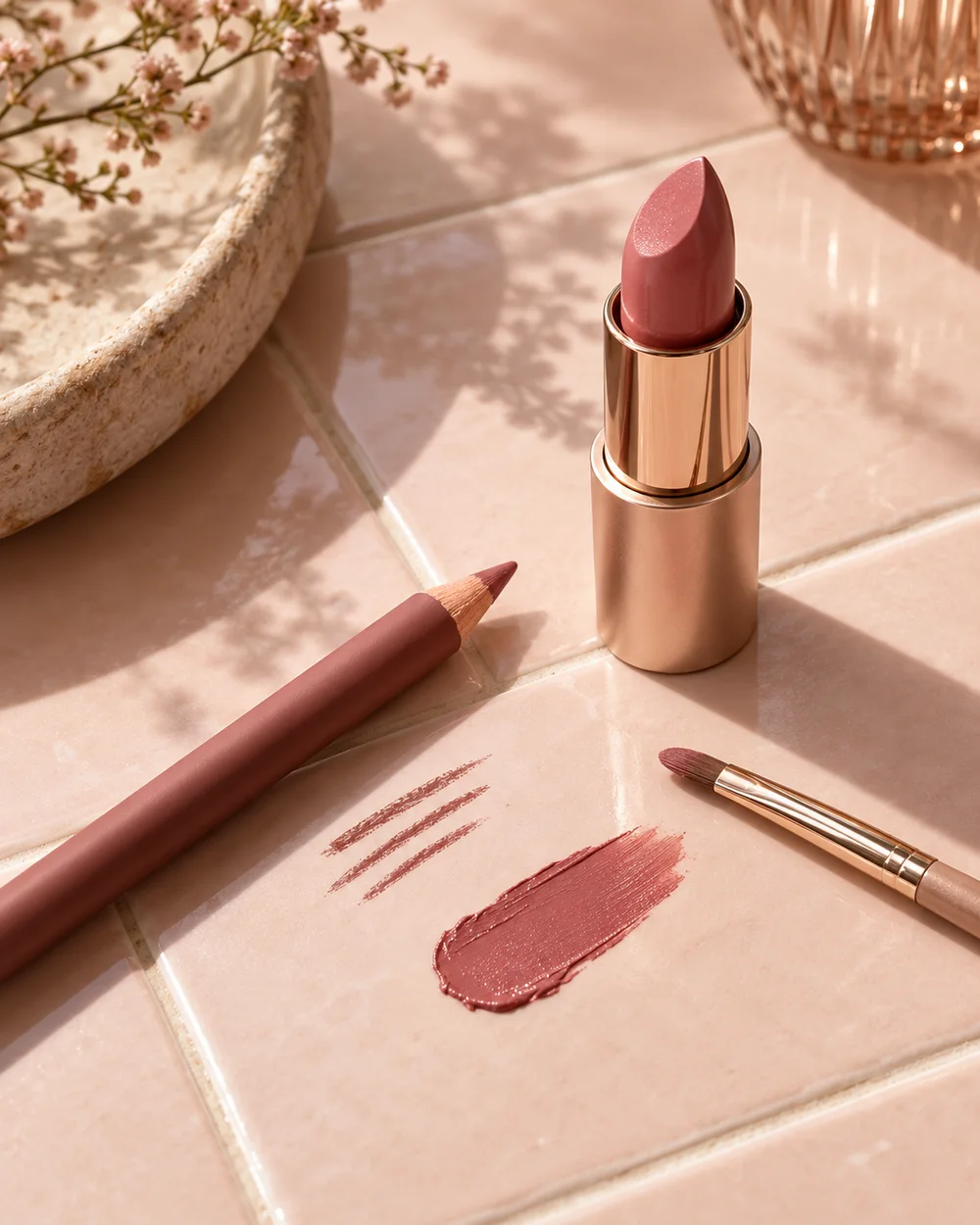
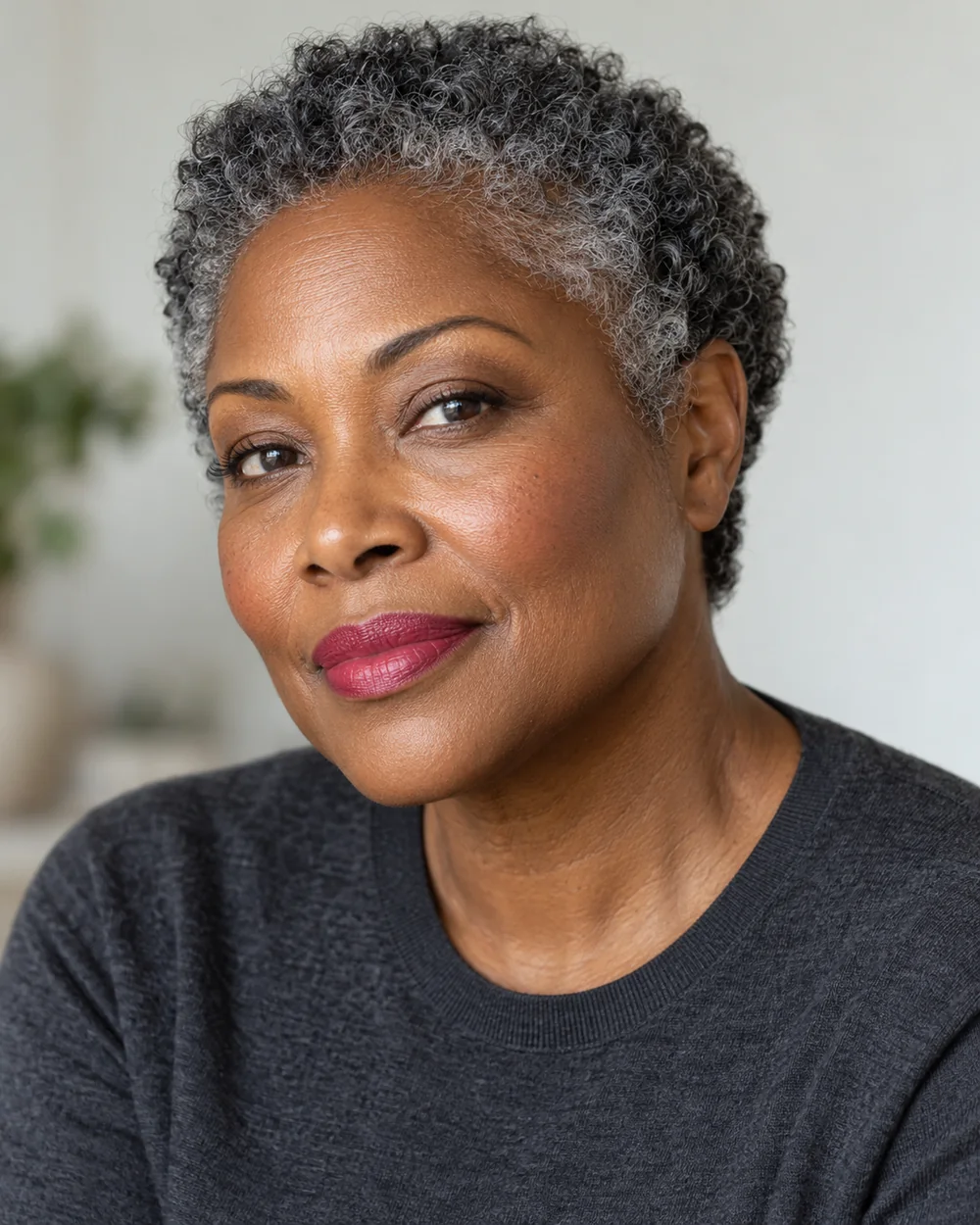
Apply colour within the lip first, then soften its perimeter with a nearly clean lip brush; keep the fade inside your natural outline.
Beginner
THE KNOWN BEAUTY LIBRARY
One small skill at a time. Clear explanations for the parts of makeup that can feel complicated.
Apply colour within the lip first, then soften its perimeter with a nearly clean lip brush; keep the fade inside your natural outline.
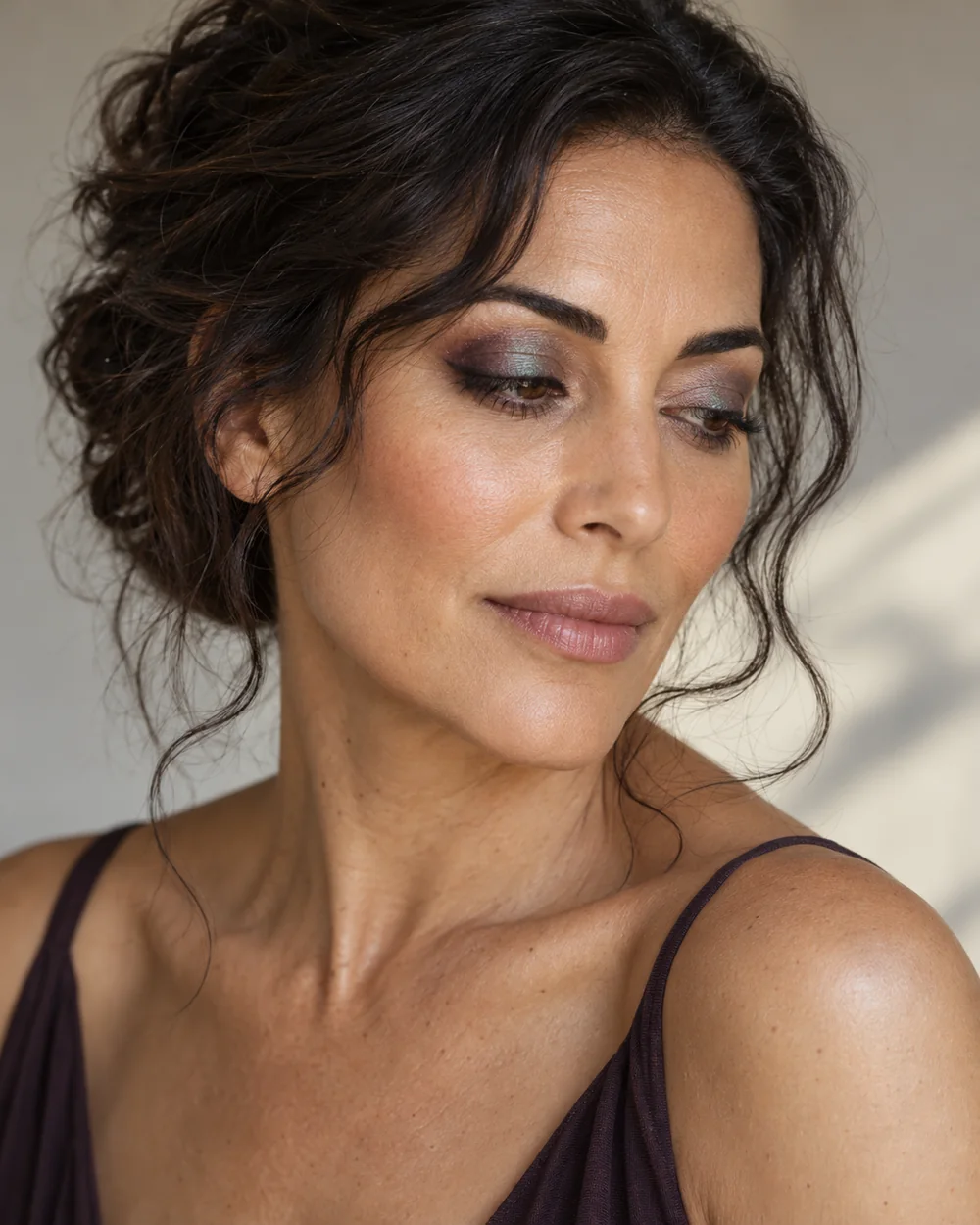
Choose whether a multichrome is a base or a sheer topper, place a thin layer on a contained lid area, then check it from more than one angle before adding colour.
Practise a narrow, soft shadow on the outer external lower lash line, keeping it clear of the waterline and checking the shape with your eyes open.
Cloud finish reduces broad shine while keeping a soft surface; dewy finish leaves more visible reflection. Choose placement and reflection separately from coverage.
If makeup forms small rolls during application, stop rubbing, remove the affected patch and compare one cosmetic layer or application movement at a time on the next attempt.
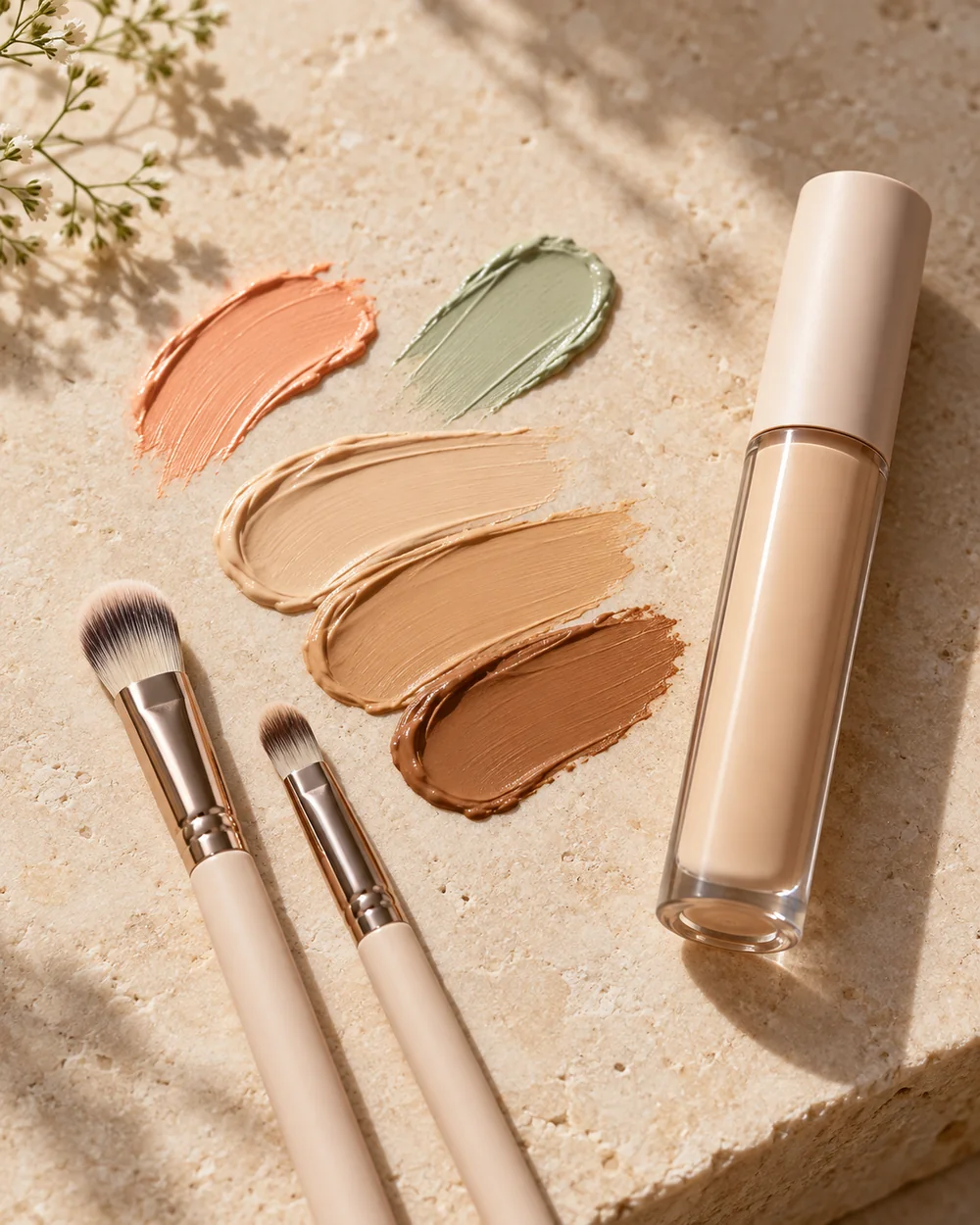
Try a skin-tone concealer first for coverage. Add a small targeted corrector only when changing the visible colour helps without requiring a heavier top layer.
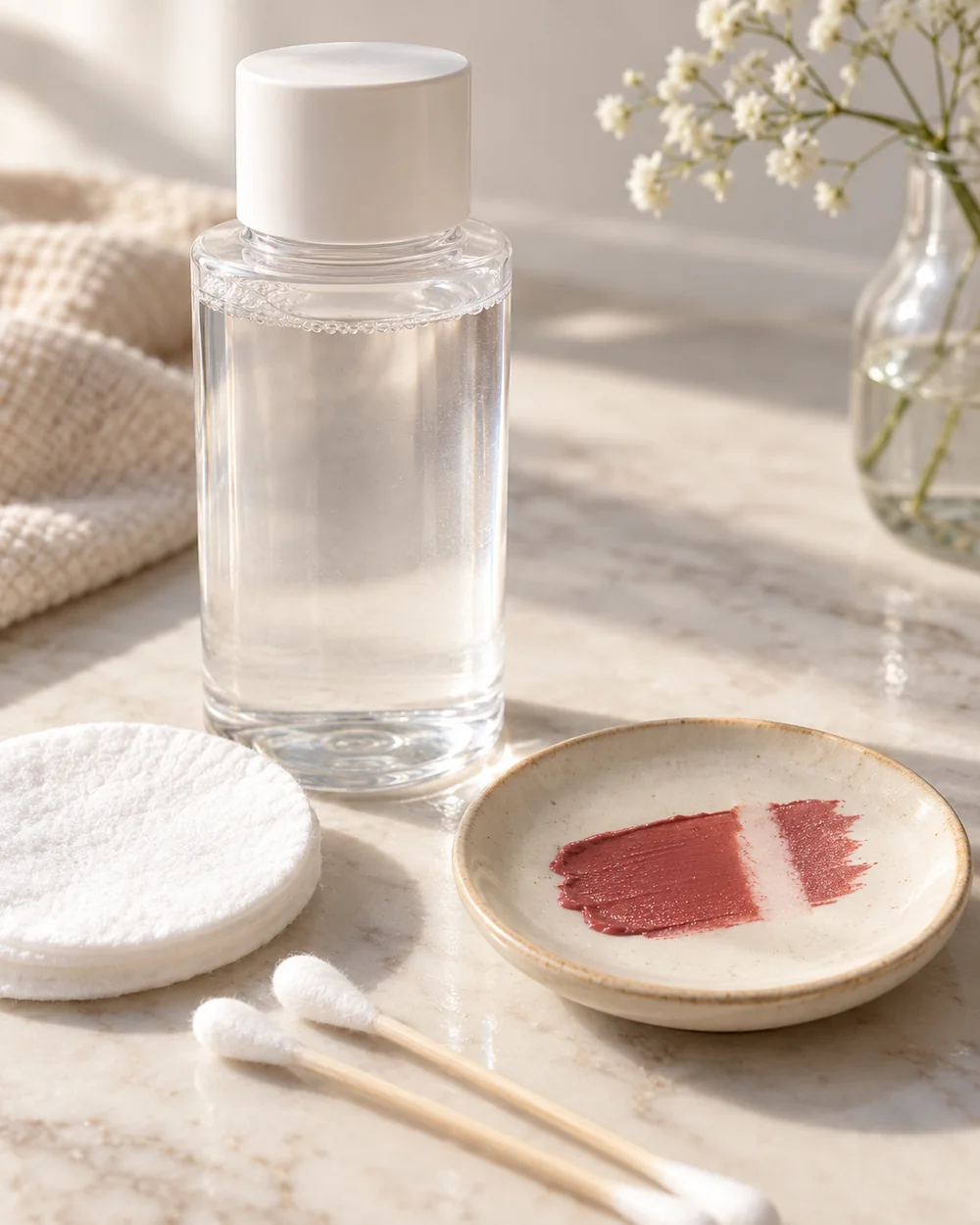
Remove the smallest affected area with a suitable remover, finish its required cleanup, then replace only the makeup you still want.
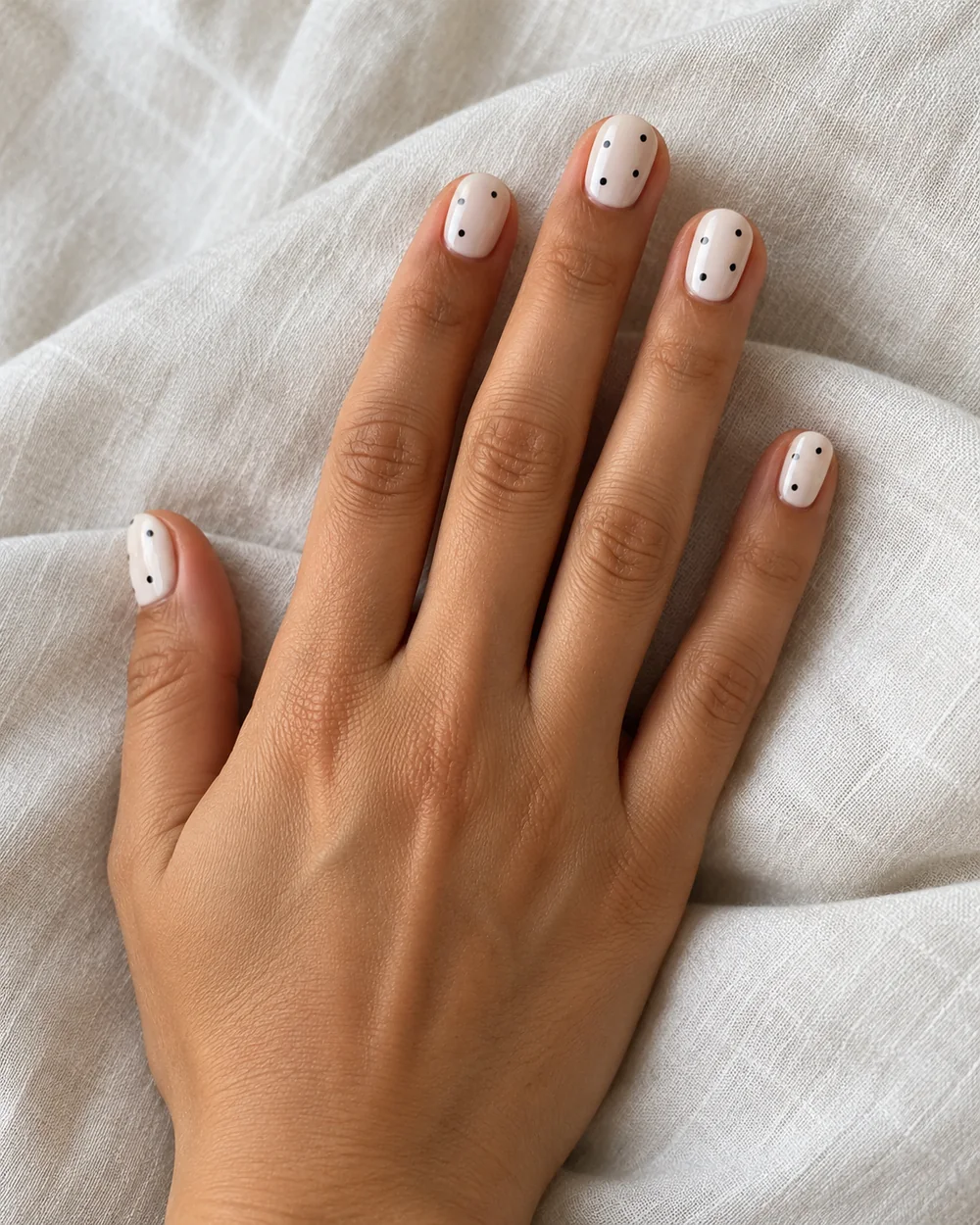
Let an ordinary-polish base dry, then make a few small dots with a lightly loaded dotting tool. Practise spacing on one accent nail before covering all ten.
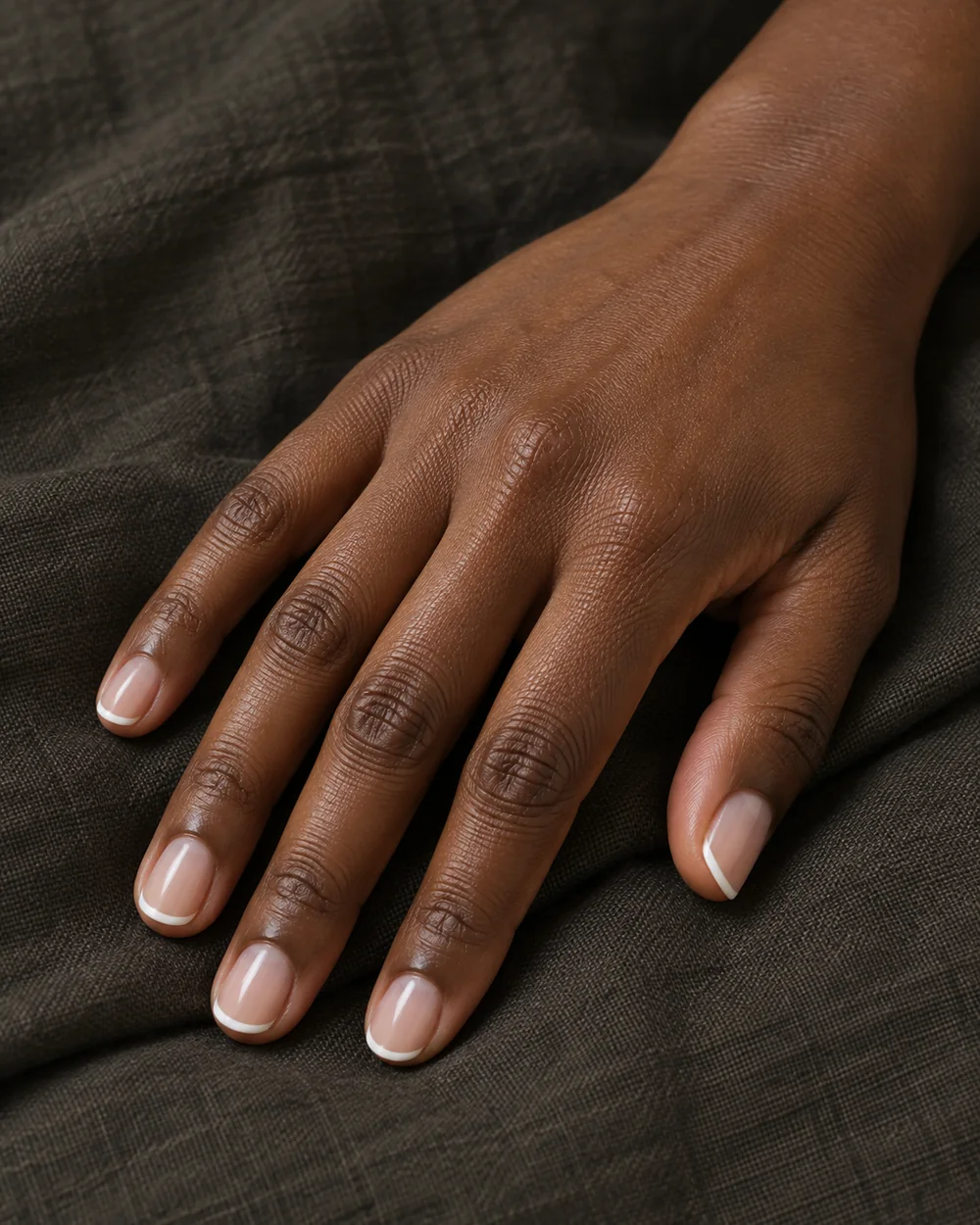
On a short nail, trace a narrow ivory or white line along the free edge with a lightly loaded fine brush, then stop before it becomes a broad band.
Use a loose braid to explore temporary wave texture, beginning with dry or barely damp hair as appropriate and releasing it gently once fully dry; results will vary with your hair.
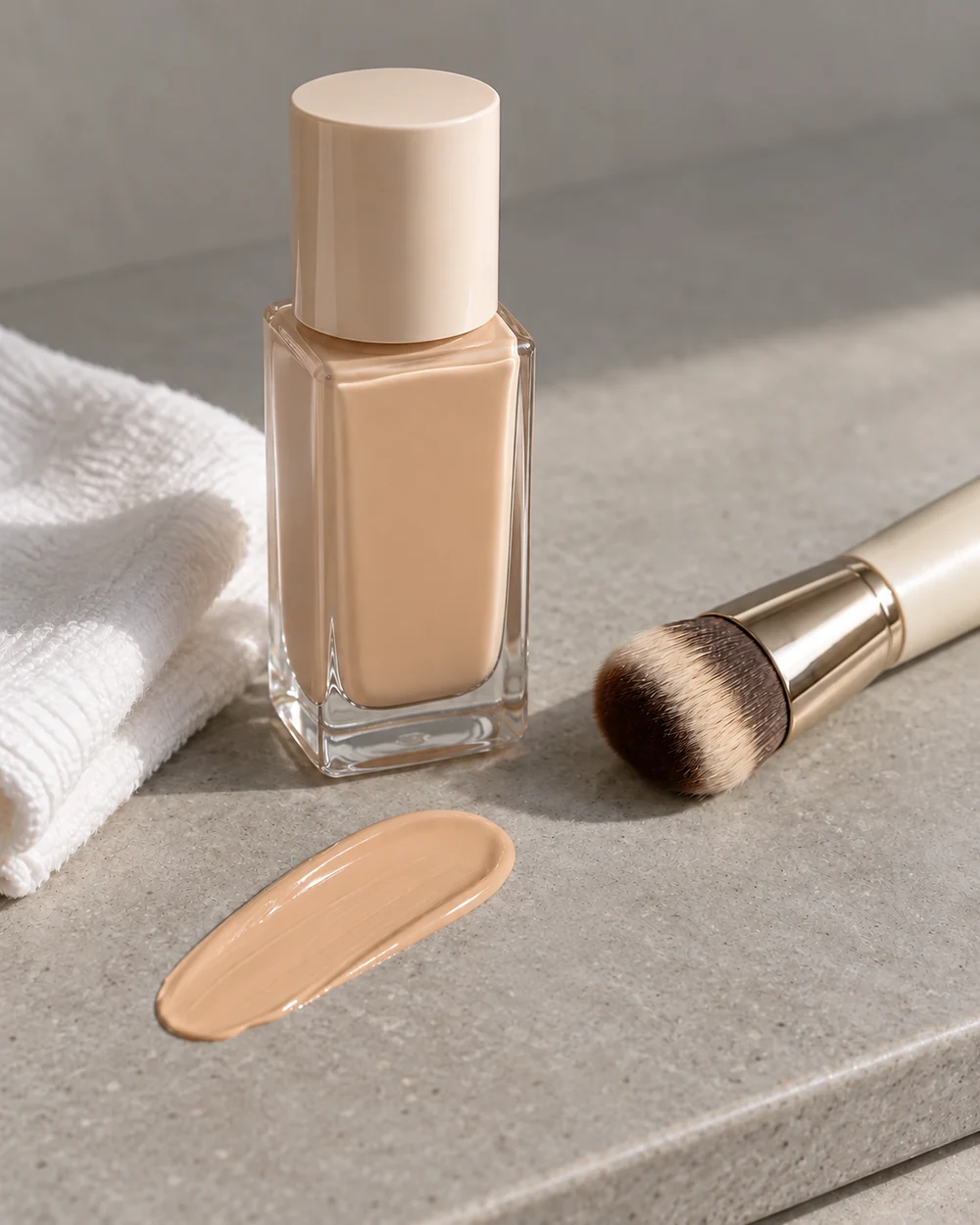
Separate depth, undertone and finish so you can make a more useful foundation comparison.
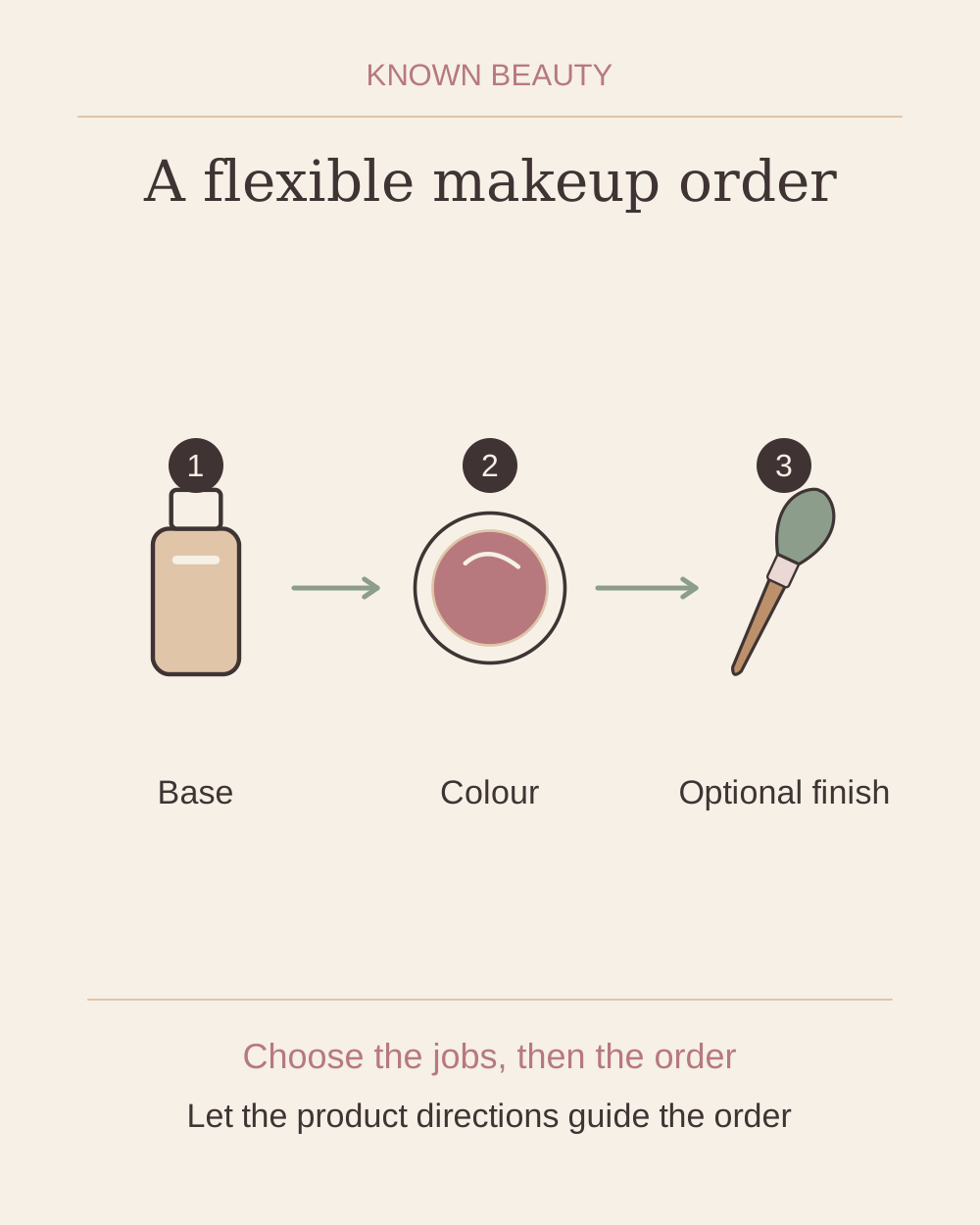
A flexible sequence built around your products, with clear points for changing the order.
A small, controlled application experiment to reduce visible gathering without promising a crease-free result.
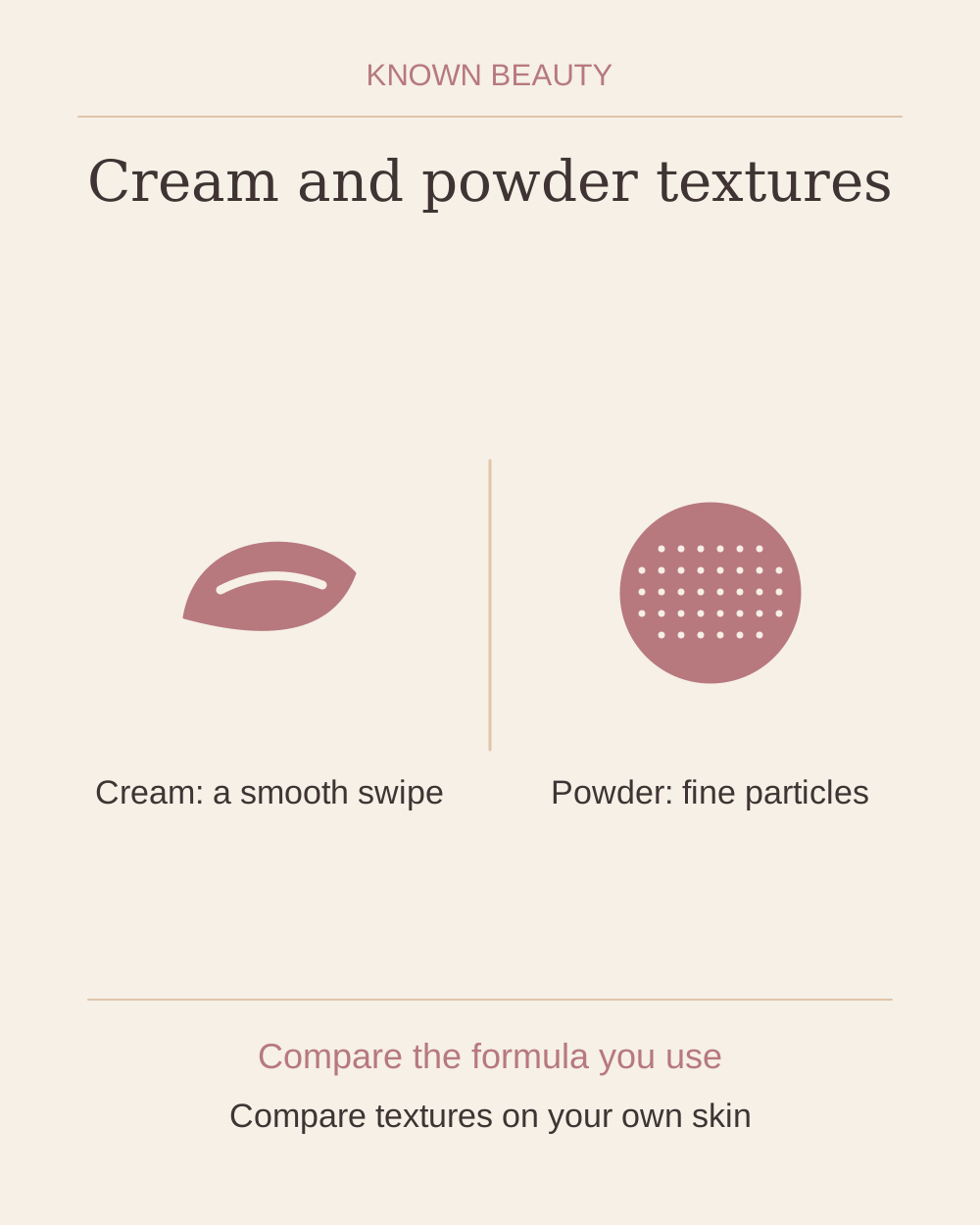
Compare cream and powder formulas by finish, application and the job you want them to do.
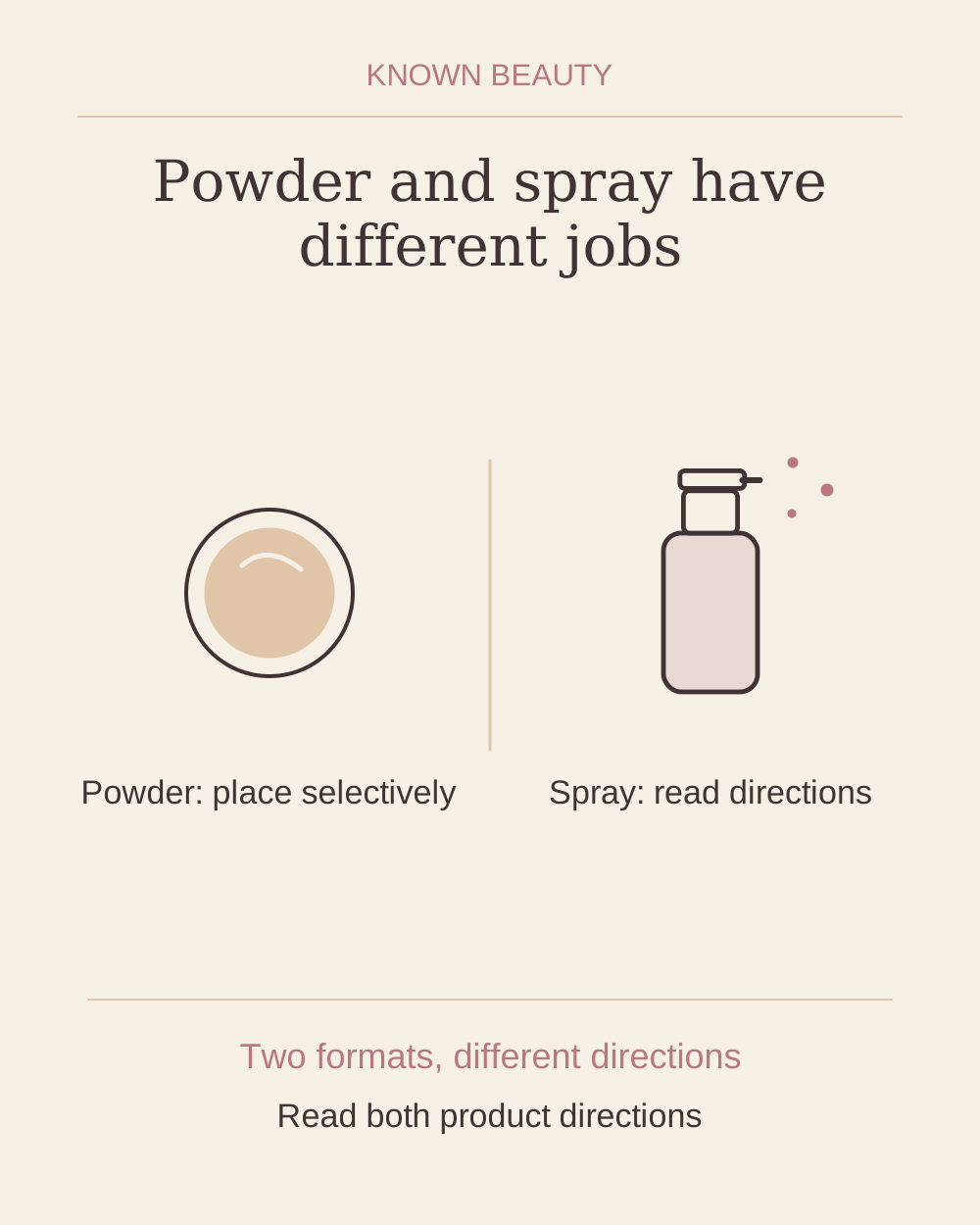
Decide whether powder, setting spray or neither suits the finish you want.
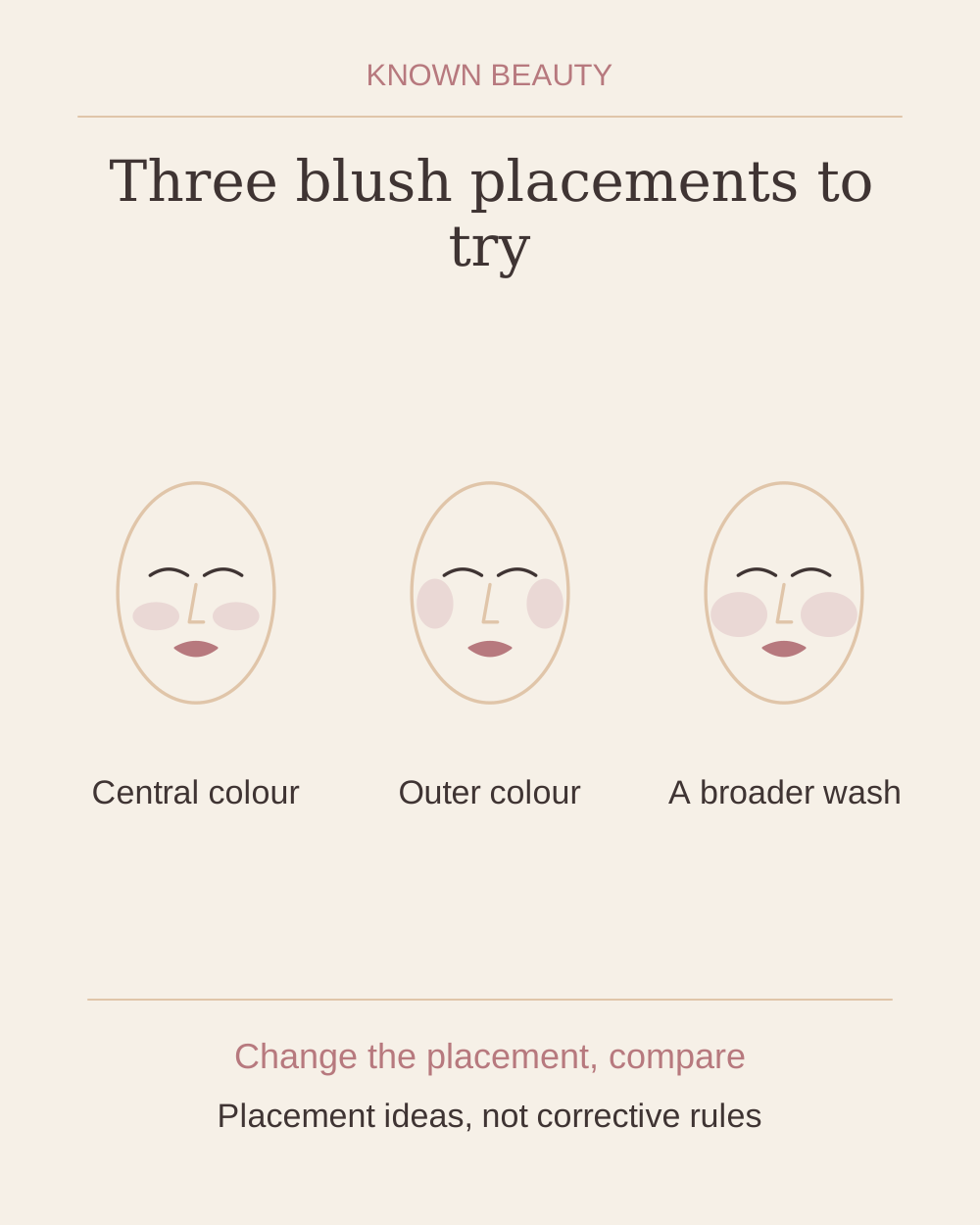
Compare a compact centre, a higher outer band and a wider soft wash using one familiar blush.
A short-wing practice method that starts with relaxed, open eyes and keeps corrections small.
Plan the visible colour with eyes open, then build a small shape that works with your own lid fold.
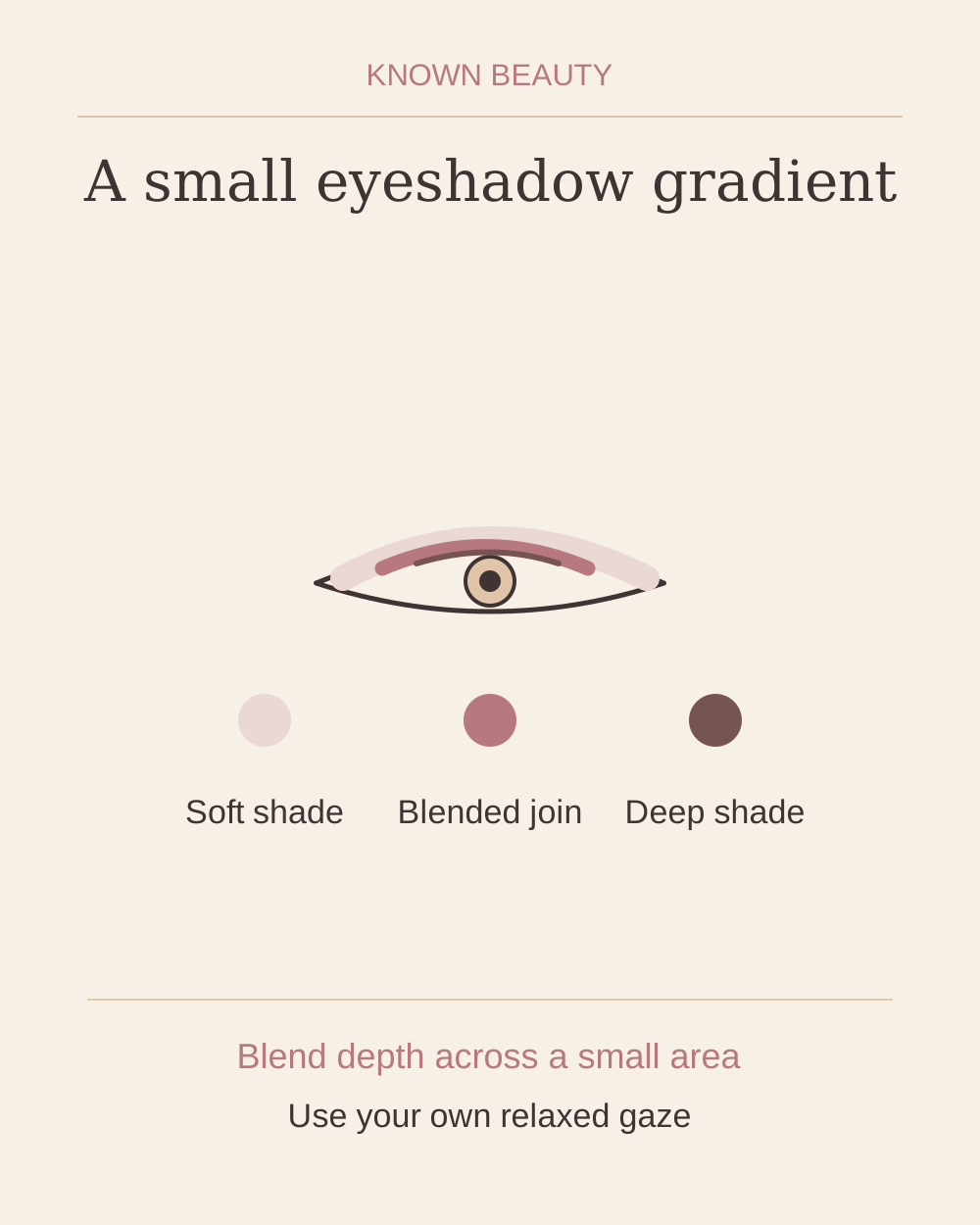
Build a visible lash-to-lid gradient with two shades, then soften its boundary in your normal open-eye view.
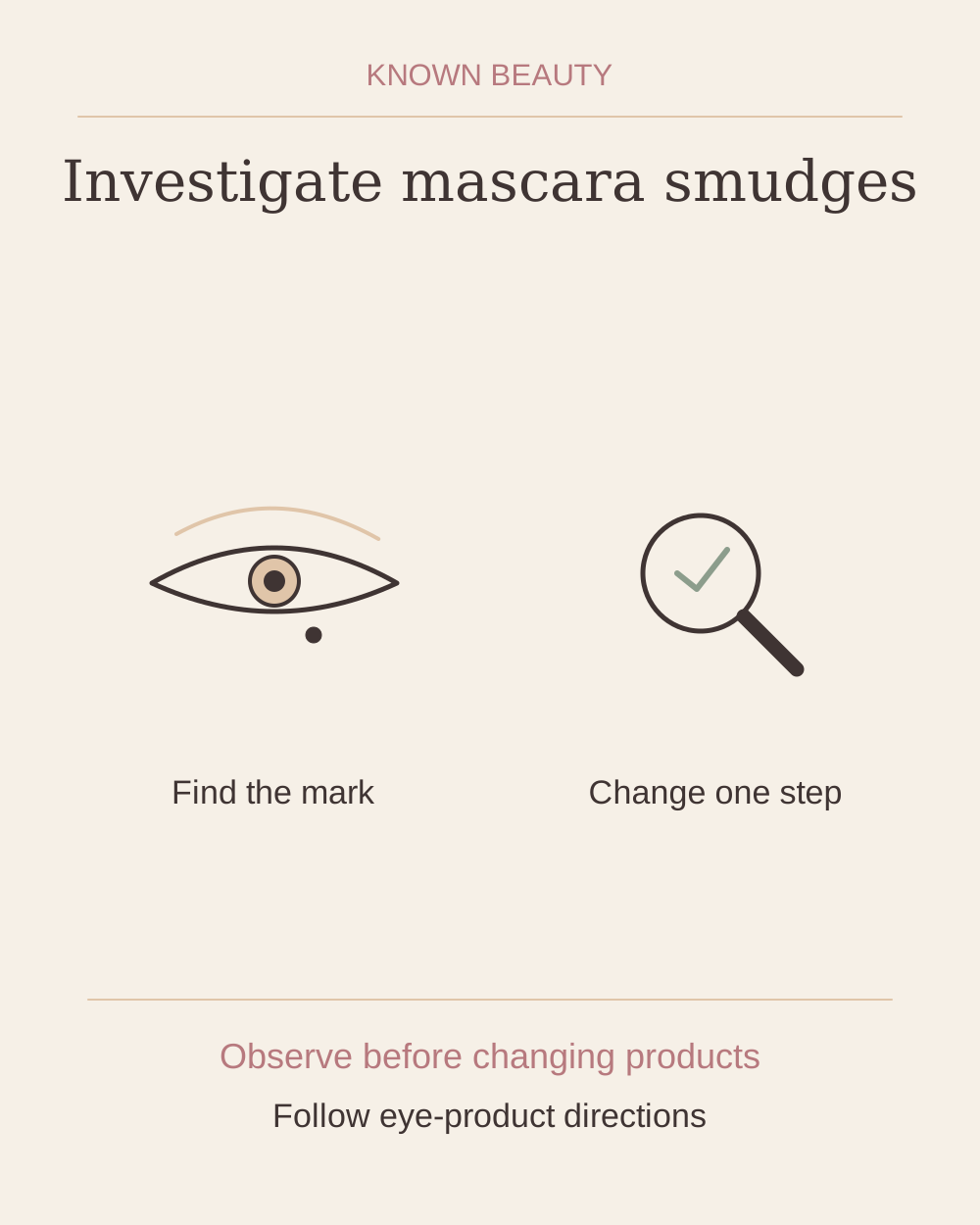
Use the location and timing of a mascara mark to choose one sensible adjustment, without rebuilding your whole routine.
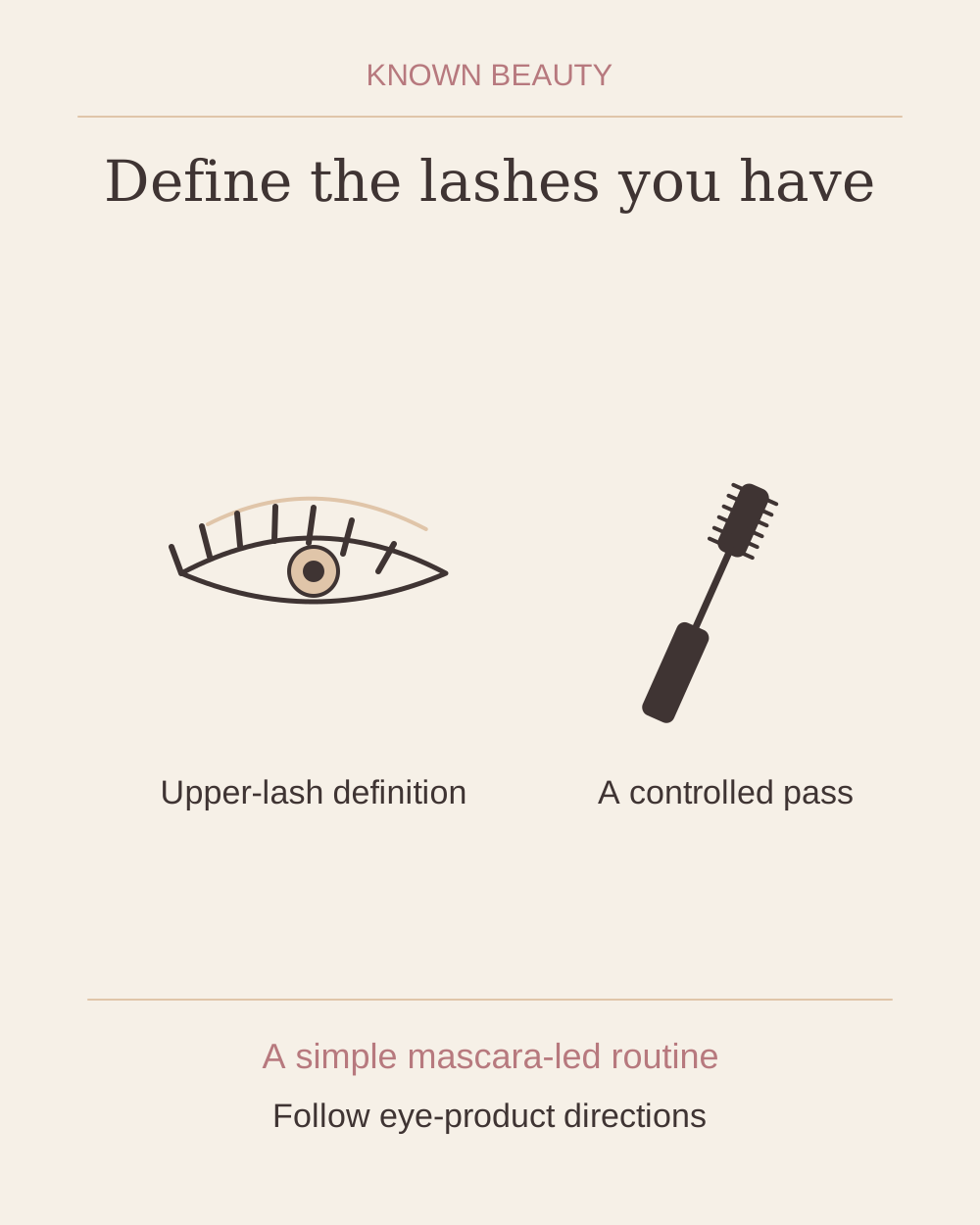
A small mascara routine built around visible separation and a considered finish, without adhesives or false lashes.
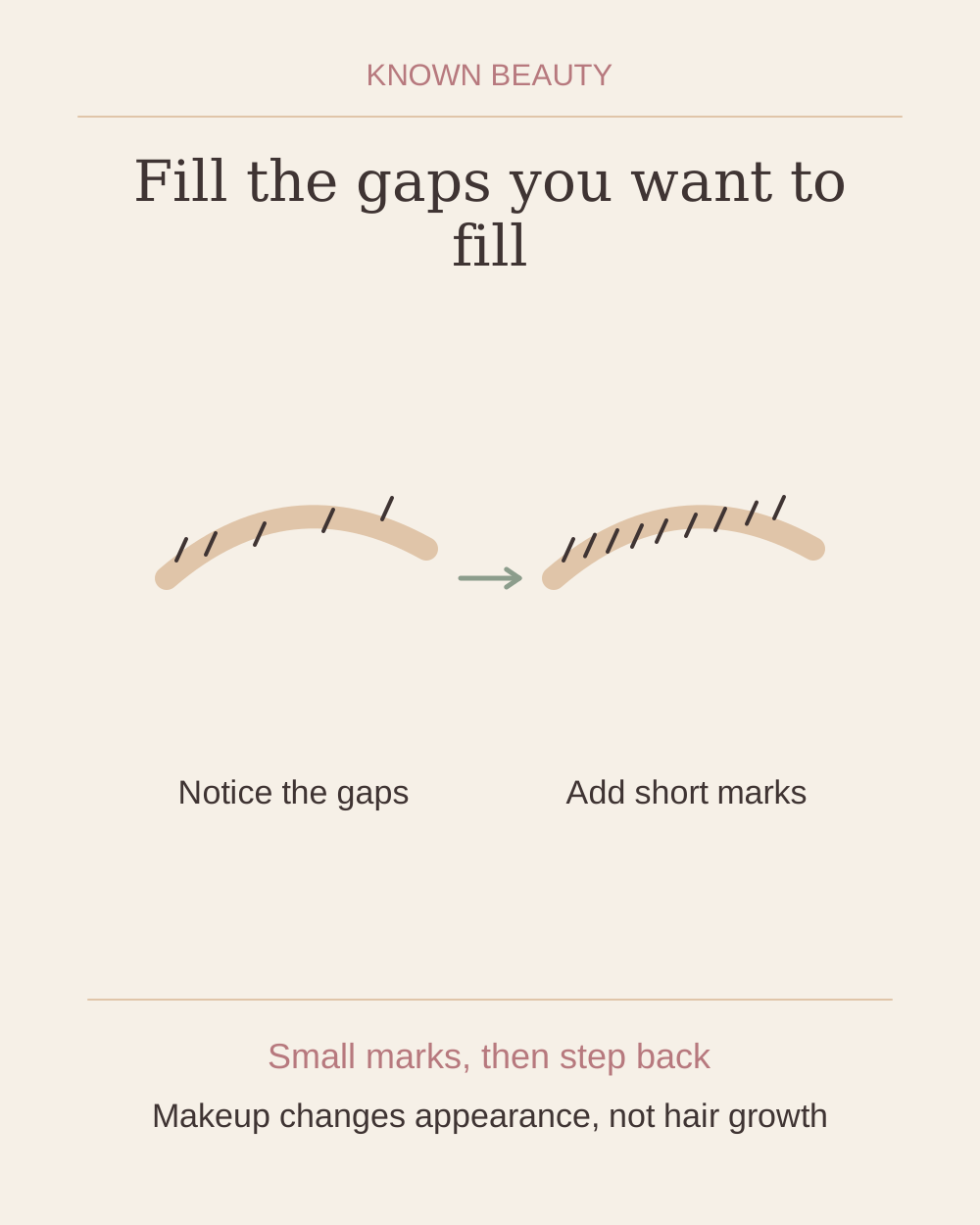
Add a little colour where you want a fuller-looking brow, while keeping the outline and individual gaps under your control.
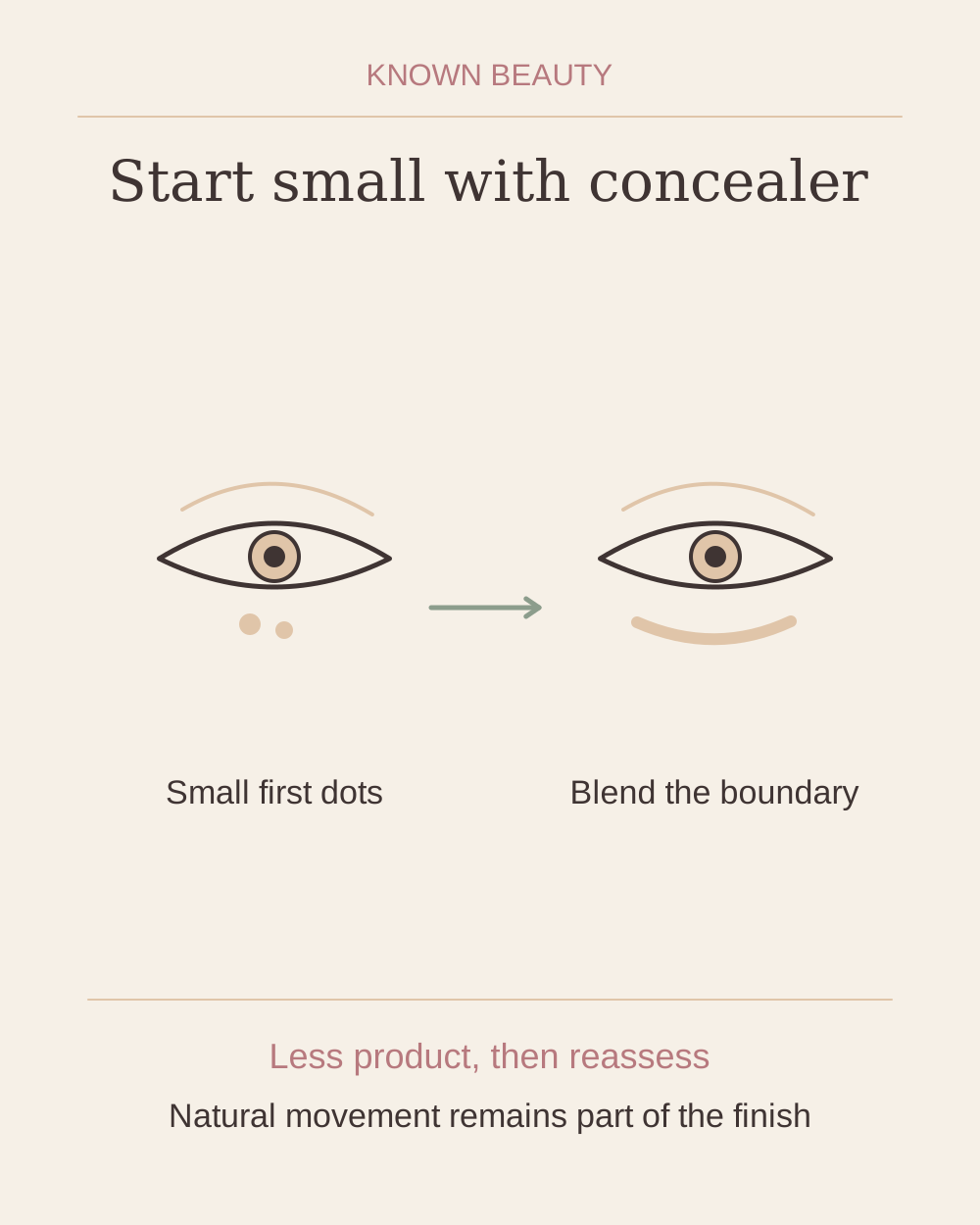
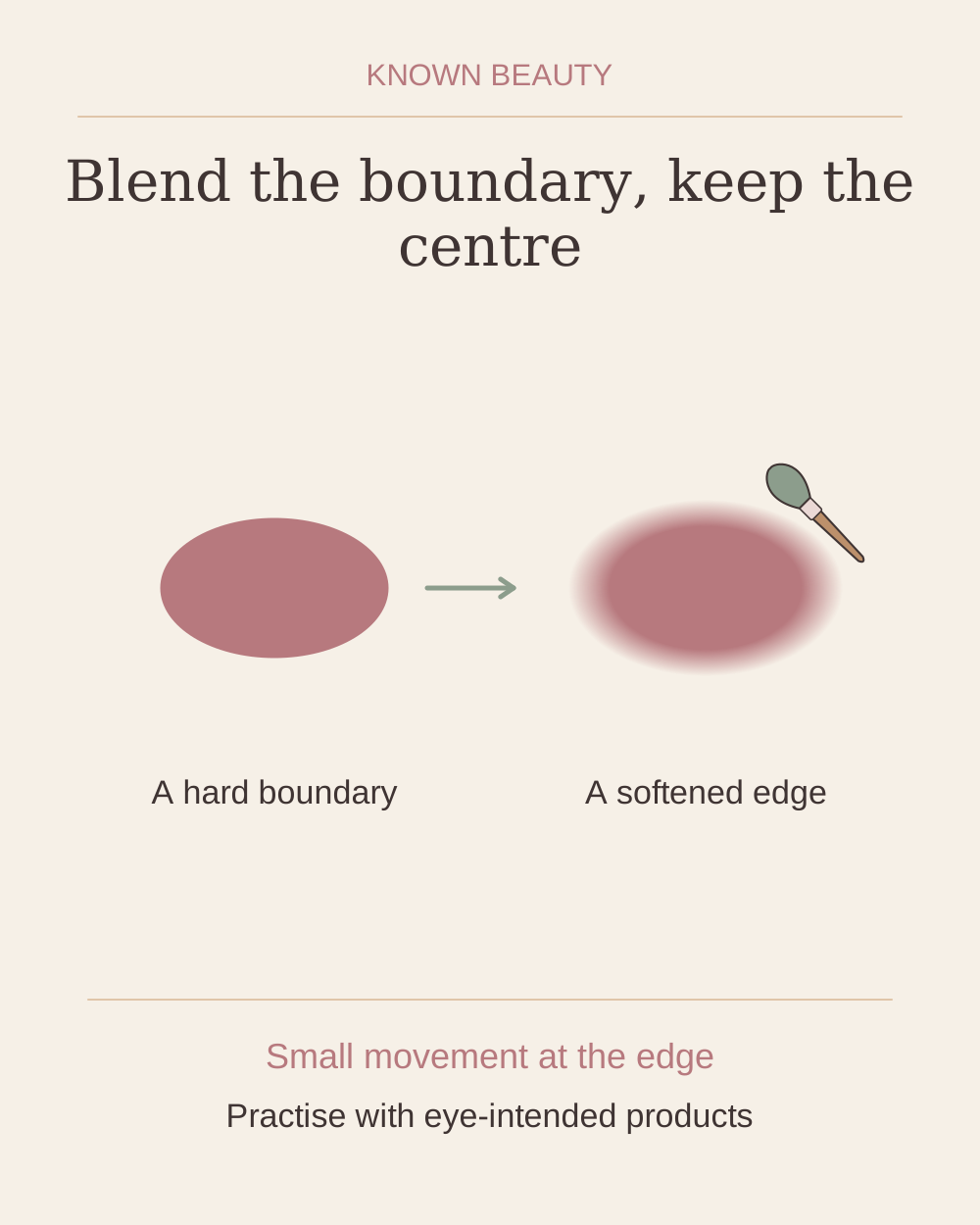
Soften the boundary of a shadow patch without moving the whole shape or blending every colour into one.
Use short sections to map your lip colour, then choose a soft or more defined edge.
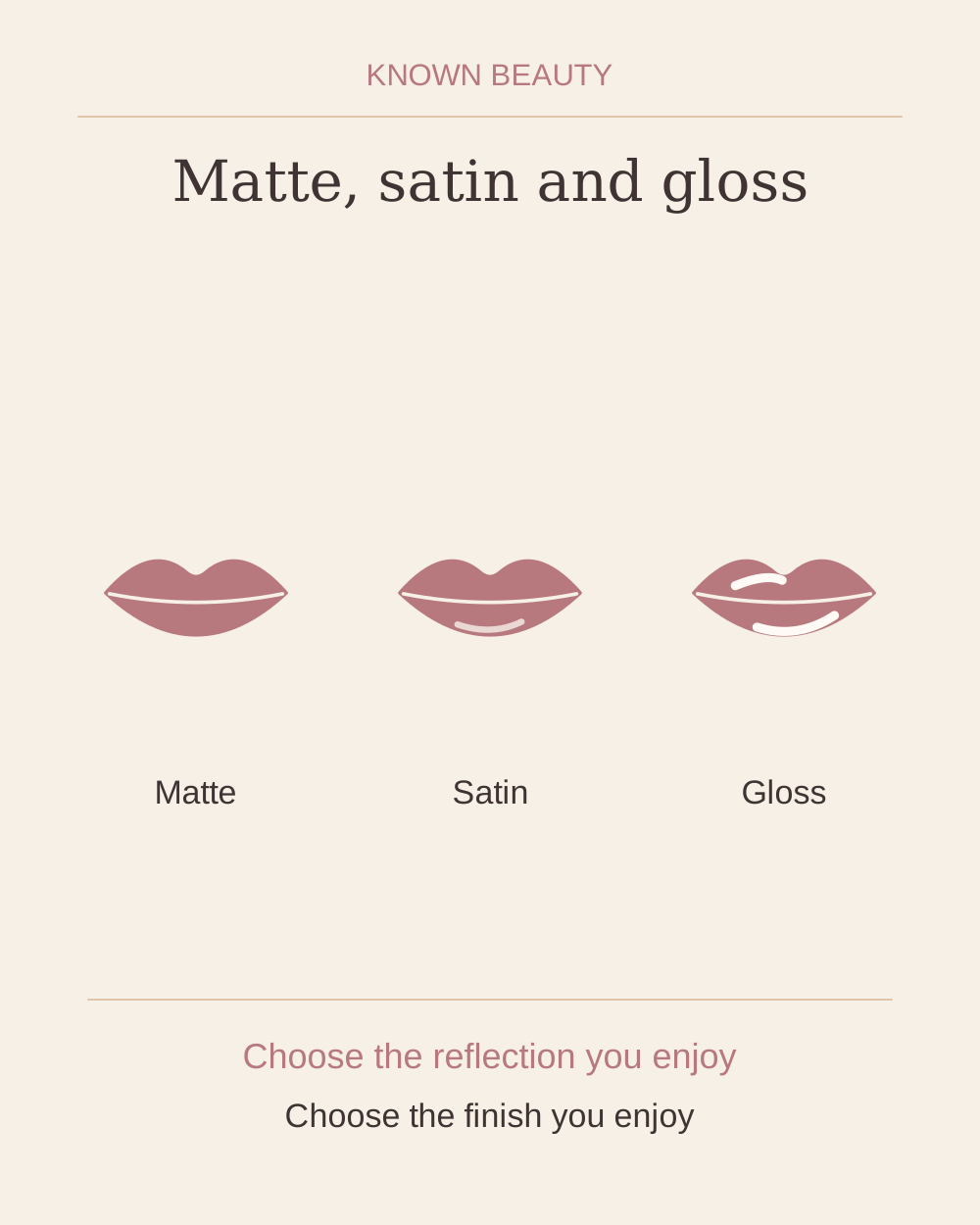
Compare the reflection of matte, satin and glossy lips, then plan application and touch-ups.
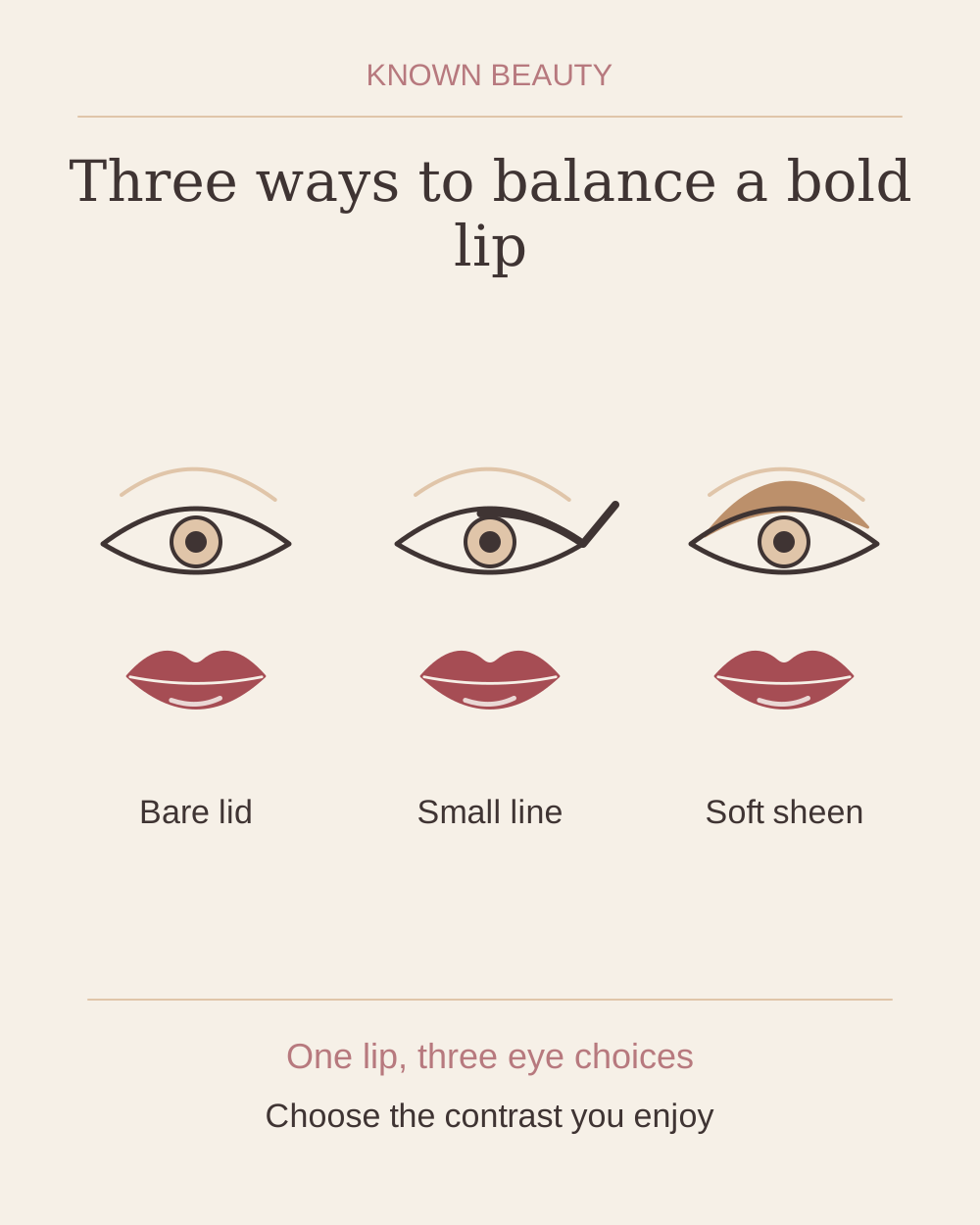
Choose one of three clear combinations, then control contrast, shape and shine without a rule that bold lips need bare eyes.
Try a shorter phrase or clear a filter to see more guides.