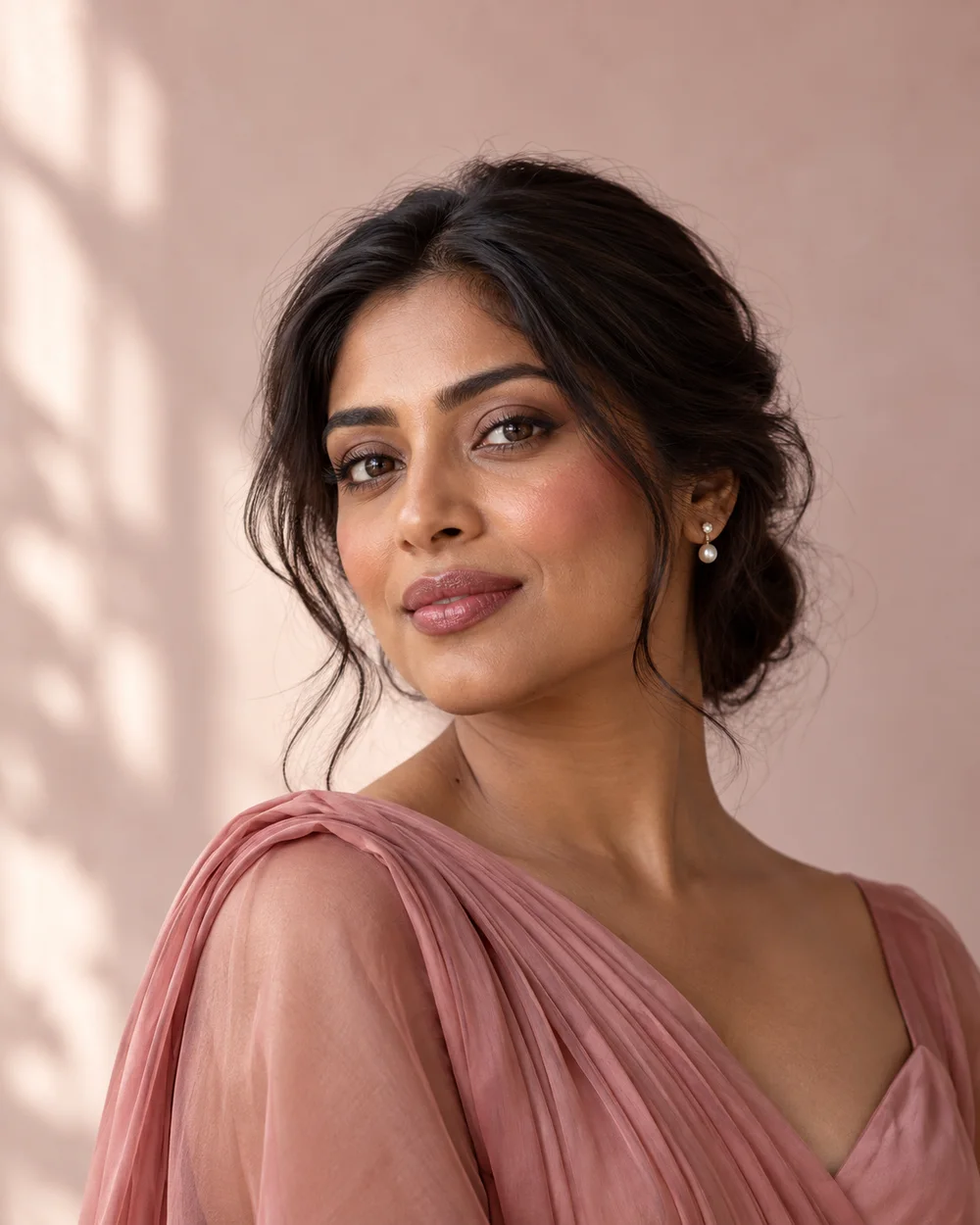
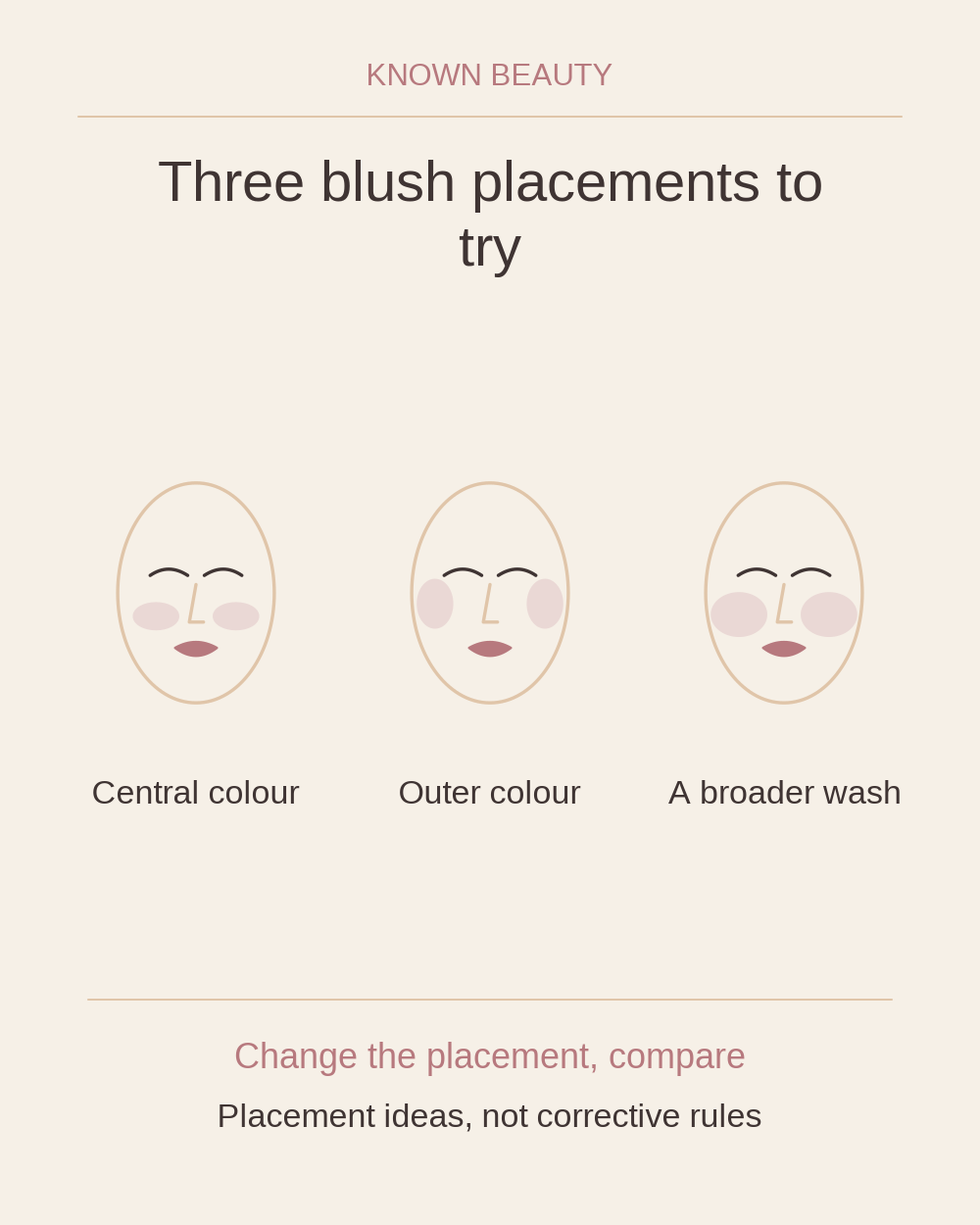
Sabrina Carpenter’s makeup references put rosy cheek colour and a softly polished finish into focus. This interpretation pairs those ideas with the retro outfit guide. The illustration uses a fictional model, and the steps describe a flexible colour arrangement rather than her exact kit. Let the cheeks lead, then decide how much eye reflection and lip definition you want beside them.
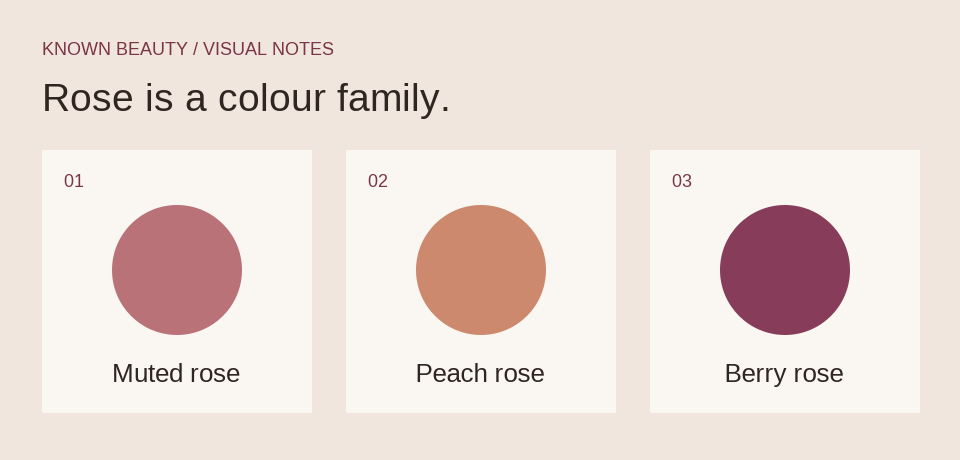
Choose a related colour family
Rose can mean pale pink, peach-rose, deeper berry or muted plum. Compare a small cheek patch with the lip product you intend to use. Colours can relate without matching, and one product need not be used everywhere. Use a separate eye-intended product unless the actual label permits the other use.
Build the look with six choices
- Use a familiar base. Choose the coverage you want and blend its edge. Judge cheek colour against the whole face rather than automatically making the base heavier for an occasion.
- Place the first small blush patch. Look ahead and apply colour where you want the focus. Blend its boundary before adding more. Compare both sides from a normal mirror distance.
- Build depth only where wanted. Add a little to the chosen cheek area if the first layer feels quiet. Avoid spreading the whole patch because one part needs more colour.
- Add a small eye reflection. Press an eye-safe satin or softly reflective shade onto the external lid. Check it with eyes open and soften the edge with a clean tool.
- Choose lashes and lip definition. Use familiar mascara if wanted. Add a related lip colour, with compatible liner only if you enjoy a more defined boundary.
- Check beside the outfit. Put on the pastel layer and step back. Decide whether cheeks or lips lead, then soften the competing element rather than increasing both.
Change the depth, keep the idea
For a softer version, keep cheek colour sheer and use a balm-like lip. For more contrast, use richer rose on cheeks or a deeper lip, then keep the other area quieter. Mature skin, glasses and different face shapes do not impose one blush map. Choose the area you want visible in your relaxed expression and adjust the boundary in small steps.
| What you notice | Try this |
|---|---|
| One cheek looks stronger | Blend the stronger boundary before adding more to the other side. |
| Blush becomes a broad block | Use a clean tool at the outside edge and keep the next patch smaller. |
| Pink lips and cheeks compete | Choose which area leads and use a softer version on the other. |
Questions you might have
Do I need shimmer on my cheeks?
No. The colour idea works with matte, satin or reflective formulas. Choose the finish separately from the shade.
Must eye colour match blush?
No. A quiet neutral eye can support cheek colour. Use products labelled for their intended area.
Compare three blush-placement ideas and wear it with the pastel retro outfit.
THE COMPLETE LOOK
Wear it together.
Keep the outfit and its makeup interpretation in one collection, with a combined checklist.
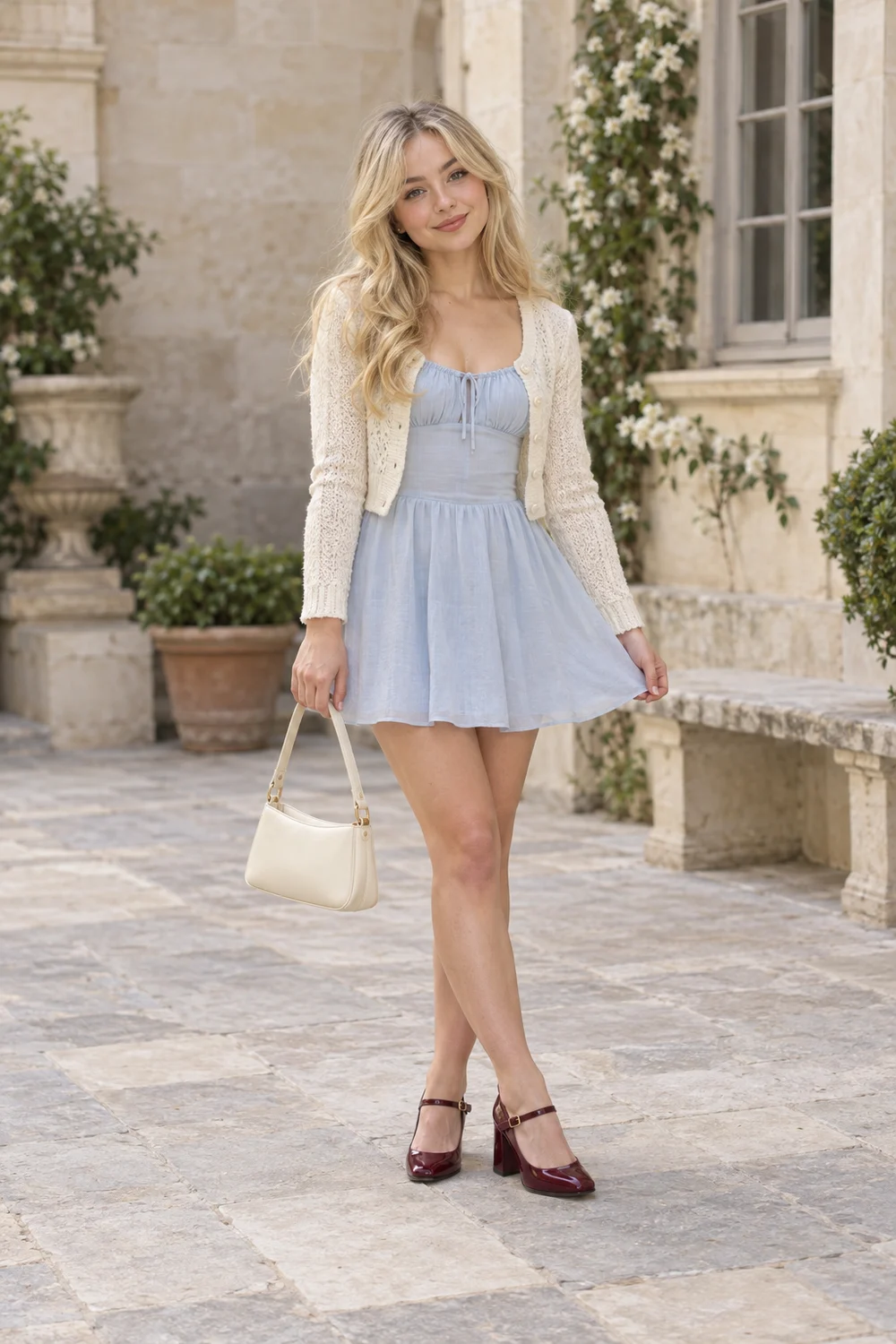
THE OUTFIT
Sabrina Carpenter-inspired retro outfit
THE MAKEUP
Sabrina Carpenter-inspired rosy makeup
Makeup placement and colour are personal choices; adjust the steps to suit you. Follow the directions on your own products.