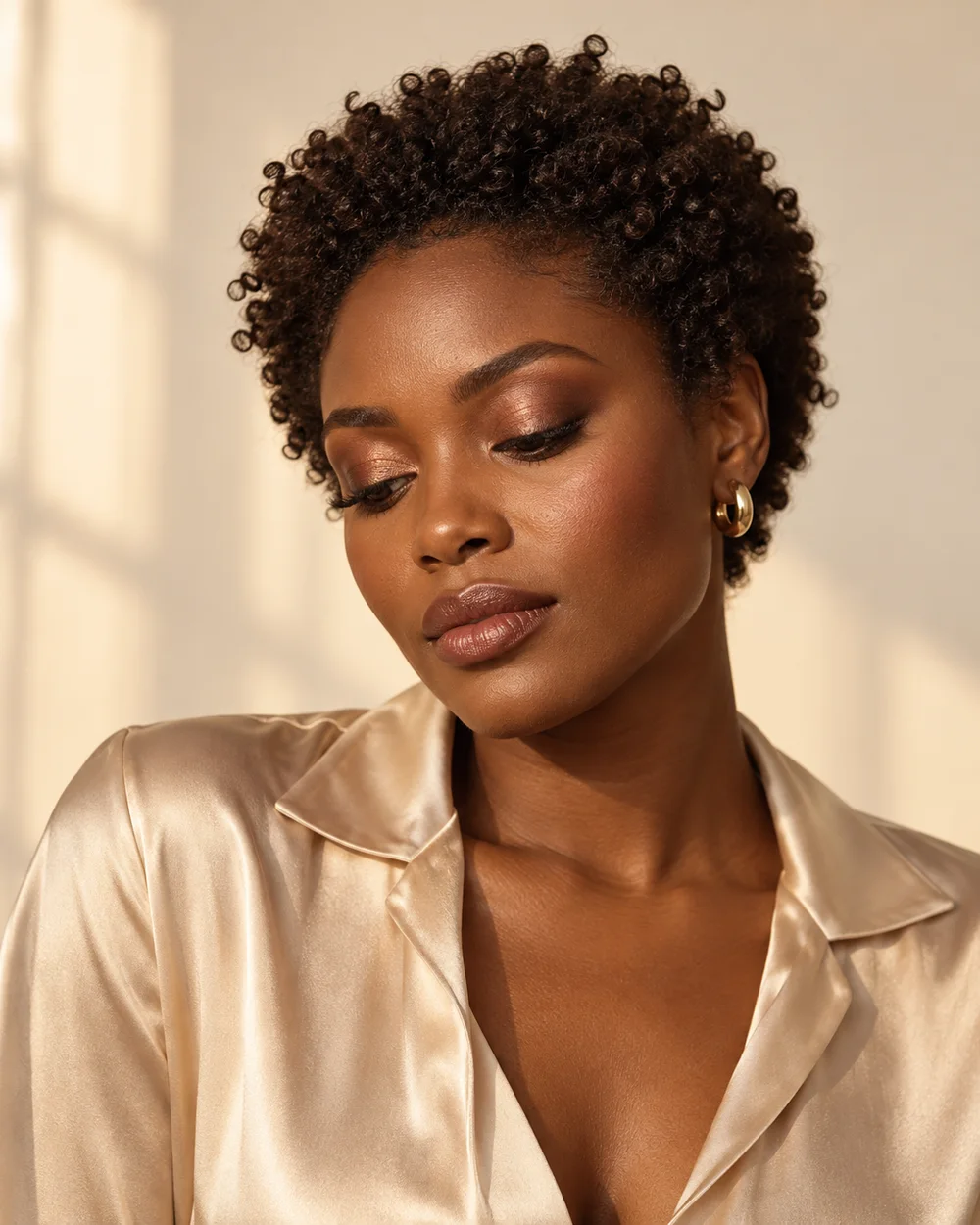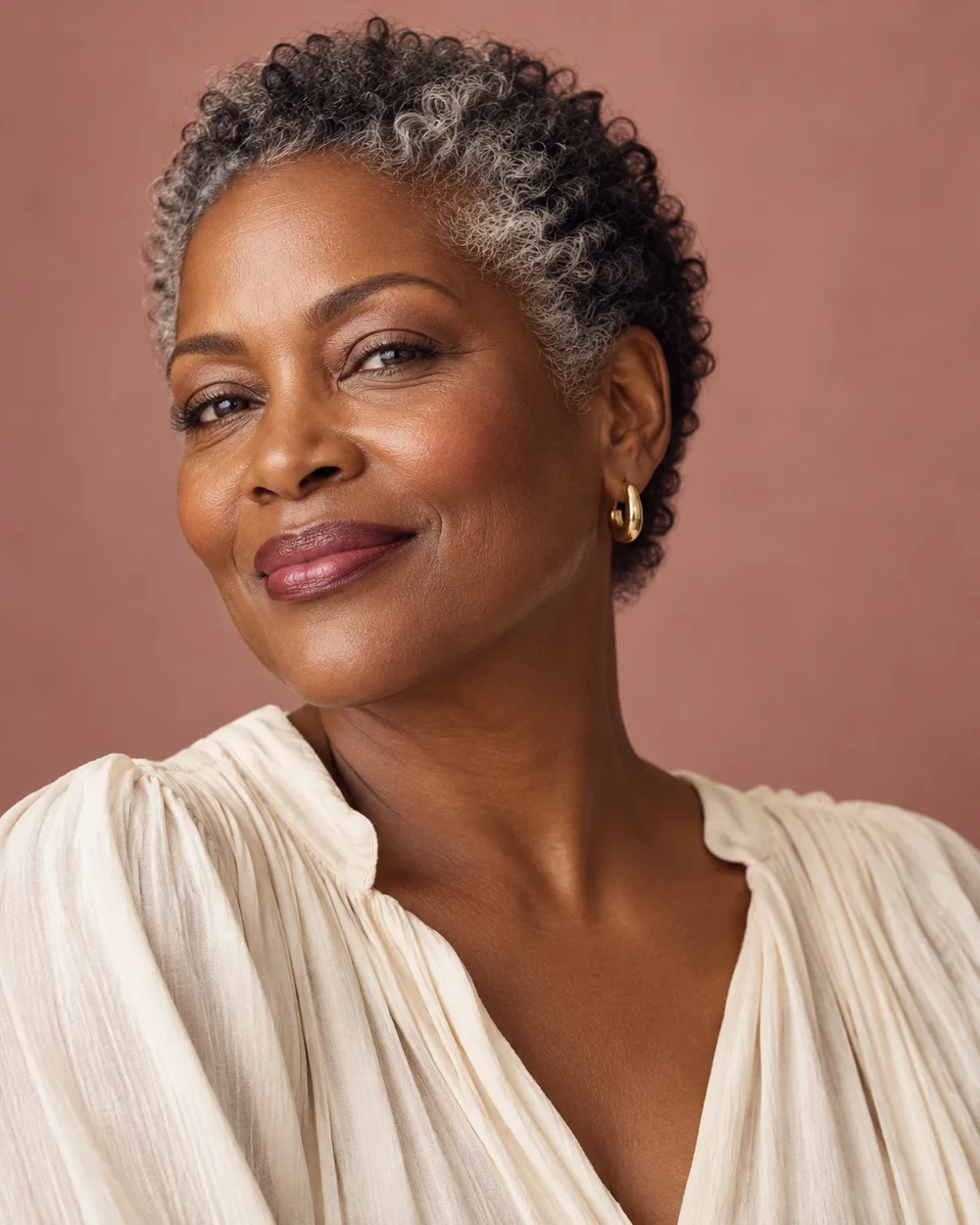
Turning daytime makeup into an evening look works best when you treat it as editing. You already have colour and texture on the face; a second full routine may simply stack products where they are least needed. Begin by deciding what still looks the way you want, what needs tidying and which single feature you would enjoy changing for the evening.
Before you start
Find an even light and use your normal mirror before judging the whole face under a harsh overhead lamp. Look at the sides of the nose, mouth and eye area. If a product is irritating your skin or eyes, stop using it rather than covering the reaction. This refresh assumes comfortable, familiar makeup and a small amount of time before you leave.
Build the look
- Remove the small problems. If lip colour has become uneven, take off its loose remnants with a suitable remover before reapplying. Tidy an obvious liner smudge in one small area. Avoid rubbing the whole face to chase a tiny mark. Remove any residue as the remover label directs, then let the area dry before reapplying.
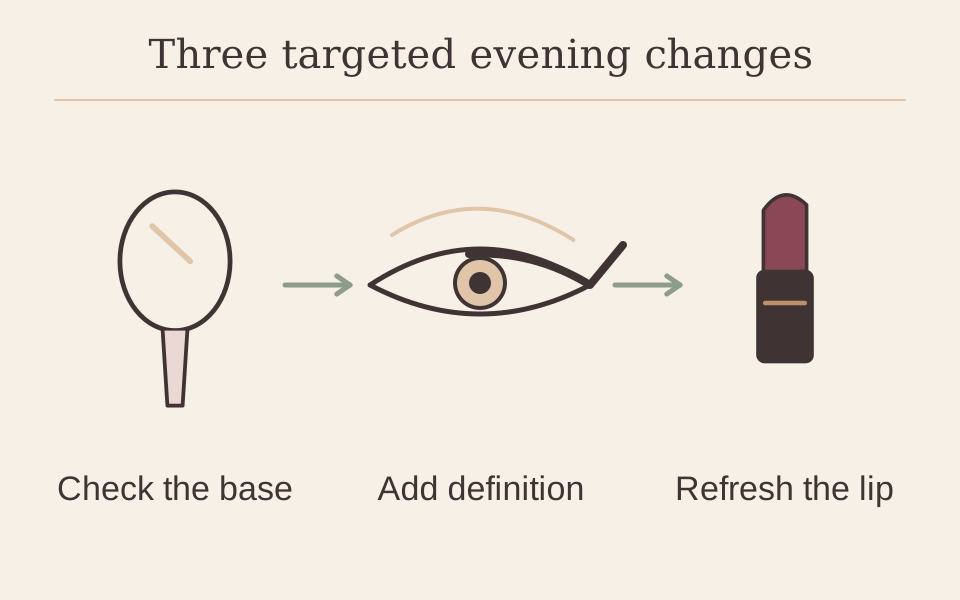
- Check the base without rebuilding it. Use a clean tool to blend a visible coverage boundary first. If a particular spot still needs coverage, apply a little of your familiar concealer there and blend only the edge. Do not automatically spread fresh foundation over every area: the existing face may already give you the finish you want.
- Pick one evening change. Choose a deeper lip if you have little time, or add a narrow layer of shadow at the outer upper lashes if you prefer an eye focus. Make the decision before opening several palettes. A change in colour depth can be enough; adding shimmer, winged liner and a bold lip together is optional.
- Build the change in one controlled area. For a lip, use a thin fresh layer and check its corners. For an eye, use an eye-intended product and a small clean brush, then compare the shape with eyes open. Do not repeatedly drag a brush through a product that has already set if its directions do not support reworking.
- Review from normal distance. Step back, look at the whole face and decide whether the new focal point needs anything else. A small touch of cheek colour may be enough. Pack the product you just used and its practical application tool. Finish the refresh before leaving rather than trying to apply eye makeup while travelling.
Choose your approach
The five-minute lip switch
Tidy the current lip and replace it with a deeper rose, berry or red. Leave the eye as it is and check the cheek after the switch.
The eye-first change
Keep the lip familiar. Add a narrow outer-lash shadow and blend only its edge; the existing daytime eye becomes the lighter background.
If the look is not going to plan
| What you notice | What to check | A useful adjustment |
|---|---|---|
| Fresh base looks heavy | New coverage has been spread across old layers. | Stop adding product. Remove and replace only the patch you dislike if a clean brush cannot soften its edge. |
| The evening colour looks muddy | Several old and new shadows have mixed. | Use a clean tool and one colour. If necessary, remove a small section and rebuild it rather than introducing a fourth shade. |
| The new lip shows an old outline | The previous colour was left unevenly at the boundary. | Remove the remaining outline carefully and redraw the visible lip edge with the new colour. |
Questions you might have
Must I remove all my daytime makeup?
No. Keep the areas you still like. If the entire base feels uncomfortable or the textures are no longer workable, allowing time to remove and redo it may be simpler.
Can I add more mascara?
Check your mascara’s directions. Some formulas may not rework the way you expect once dry. A deeper lip or small outer-eye shadow change avoids making lashes the refresh task.
What if I only have one product?
Use a familiar lip colour in the way its label allows. You can choose a more deliberate edge or fuller layer without buying an evening-only kit.
Keep practising
Use soft brown liner as an adaptable daytime base, then choose the bronze evening palette or berry lip for your focal change.
Makeup placement and colour are personal choices; adjust the steps to suit you. Follow the directions on your own products.