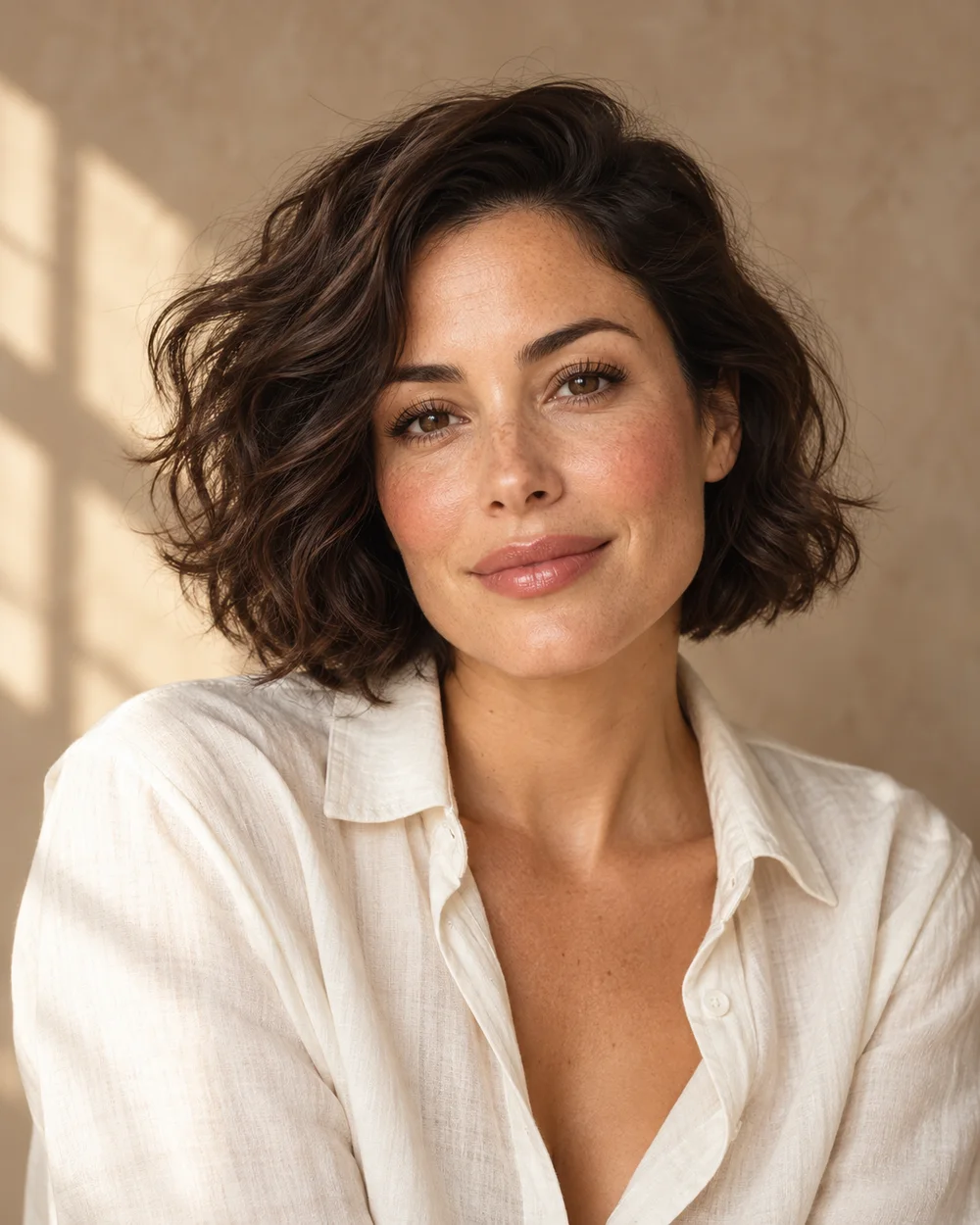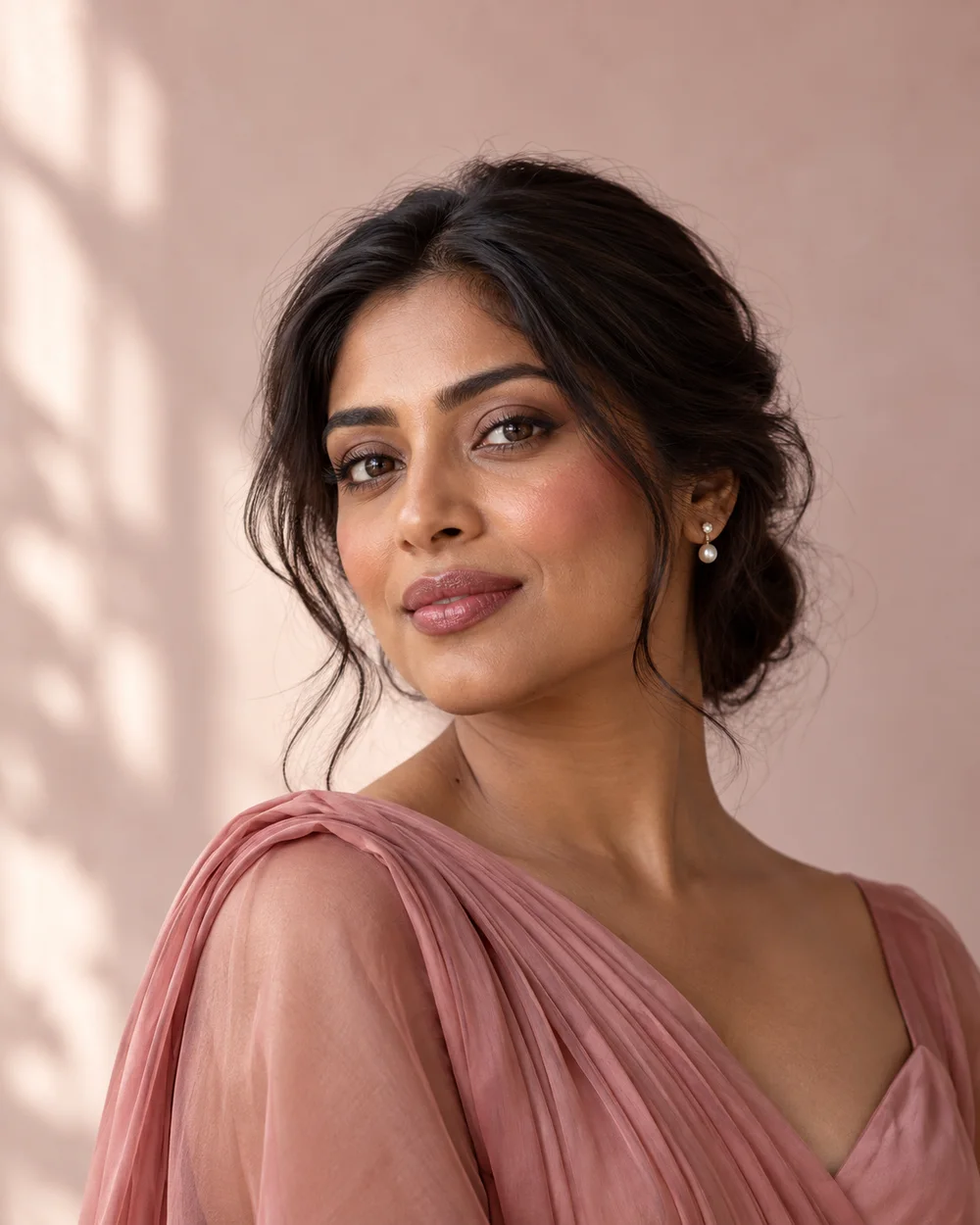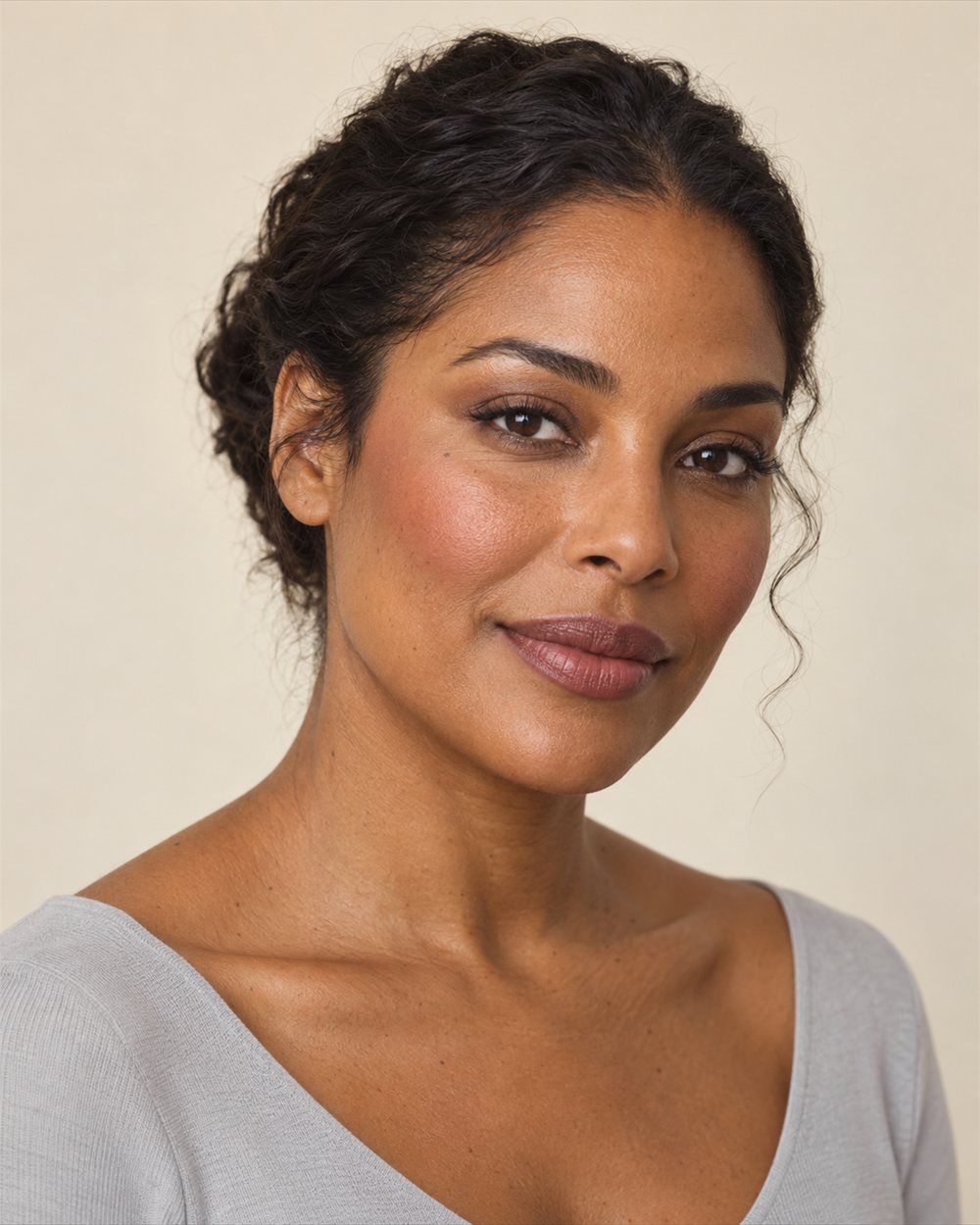
Soft matte describes an appearance with restrained shine, not a perfectly flat or textureless face. For photographs, it can be useful to decide where you want visible reflection and where you prefer less. This routine keeps coverage and powder deliberate so you can adjust them separately. It does not promise a particular result with flash, a phone camera or professional lighting.
Before you start
Choose your familiar base and look at its finish after applying the normal amount. Do not assume that every product described as matte behaves identically or that powder colour is invisible on every skin tone. If a photograph matters, take a rehearsal picture in the conditions you can reasonably access. Use it to assess your preference, while allowing for different exposure, editing and light on the day.
Build the look
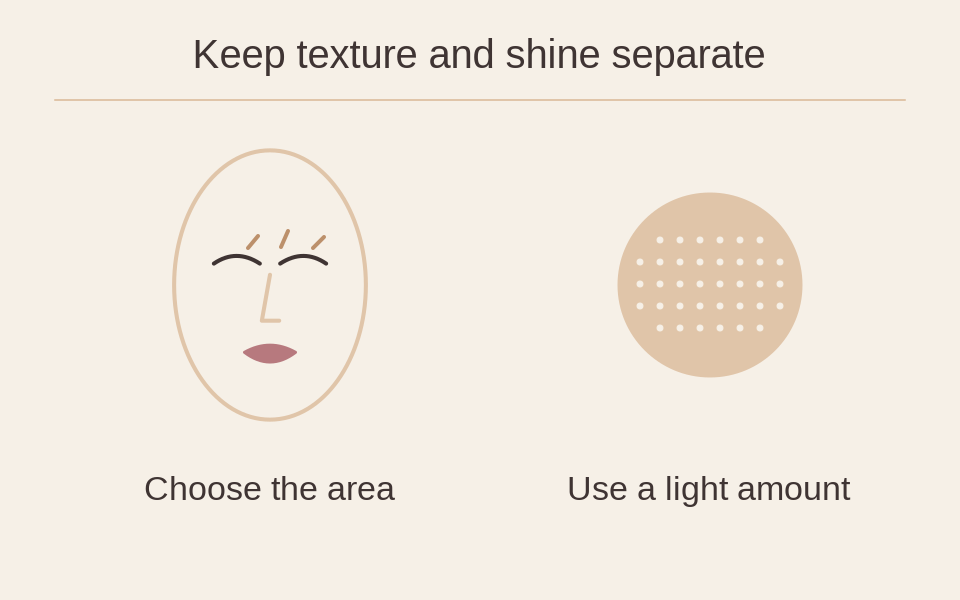
- Apply the coverage first. Use a thin layer where you want coverage, then blend the edges into surrounding skin. Add concealer to a specific area only if wanted. Check the jaw and the sides of the nose. Avoid building extra coverage just to reduce shine: coverage and surface finish are separate decisions.
- Identify the reflective areas. Look straight ahead, then turn your face slightly in the mirror. Decide which reflections you want to reduce. You might prefer less shine beside the nose while leaving the cheeks with a little natural-looking sheen. The plan should come from what you see and enjoy rather than a rule for an entire skin type.
- Use powder selectively if you want it. Load a small amount of a familiar powder onto a clean soft brush, remove excess as its directions suggest, and place it only where chosen. Use controlled pressure rather than brushing repeatedly through the whole base. Recheck the appearance before putting more on the brush.
- Add colour with a clear finish. Choose a blush whose actual appearance you like beside the base. Build it gradually so its boundary remains easy to blend. Use a quiet neutral eye and your chosen lip colour. Eye products should be intended for that area; a face or lip colour is not automatically suitable because it matches.
- Check the complete face. Look from normal distance and, if useful, take your rehearsal photograph. Decide whether you want less reflection in one place or whether the face already has the balance you like. If it appears too flat, leave further powder alone and change the amount at your next application rather than piling on another finish.
Choose your approach
Matte centre, softer cheeks
Reduce shine in a small central area and leave the cheek finish alone. This creates a mixed finish without requiring a separate illuminating product.
A more consistent matte finish
Choose base, cheek and lip textures that give you the restrained reflection you want. Keep the layers light and assess each stage before adding powder.
If the look is not going to plan
| What you notice | What to check | A useful adjustment |
|---|---|---|
| Powder looks obvious | Too much is concentrated in one area or its colour is visible. | Stop layering; use a clean brush to soften loose excess and reassess the actual shade at the next trial. |
| The base looks heavy but still shiny | Coverage was added to solve a finish preference. | Use less base next time and assess a small amount of powder separately; avoid making every layer do both jobs. |
| The rehearsal photograph looks different from the mirror | Lighting and camera processing affect appearance. | Compare under useful light and judge the whole face. One image is a personal check, not proof of how every camera will render the makeup. |
Questions you might have
Must I avoid every reflective product?
No. Choose where reflection contributes to the look. A satin lip or small luminous cheek can sit beside a more matte centre if you enjoy that balance.
Does more powder always mean less shine later?
This guide makes no longevity claim. More powder can change the visible texture immediately; follow the actual formula’s directions and add only what you want now.
Can I keep my usual sun protection?
Follow your normal sun-protection directions. Do not reduce a protective product simply to chase a photograph. Assess the makeup appearance separately from its protective claims.
Keep practising
If colour is the problem rather than reflection, use the shade comparison guide. For a softer occasion palette, try rosy wedding guest makeup.
Makeup placement and colour are personal choices; adjust the steps to suit you. Follow the directions on your own products.