A mini lipstick without a readable shade name is an identification problem before it is a colour-matching problem. Keep the mini beside its original carton, insert and receipt, then look for a route from the exact set to the exact formula and shade. A similar-looking swatch online can narrow the possibilities, but it cannot confirm what is in your hand.
The box names the shades, but not the individual minis
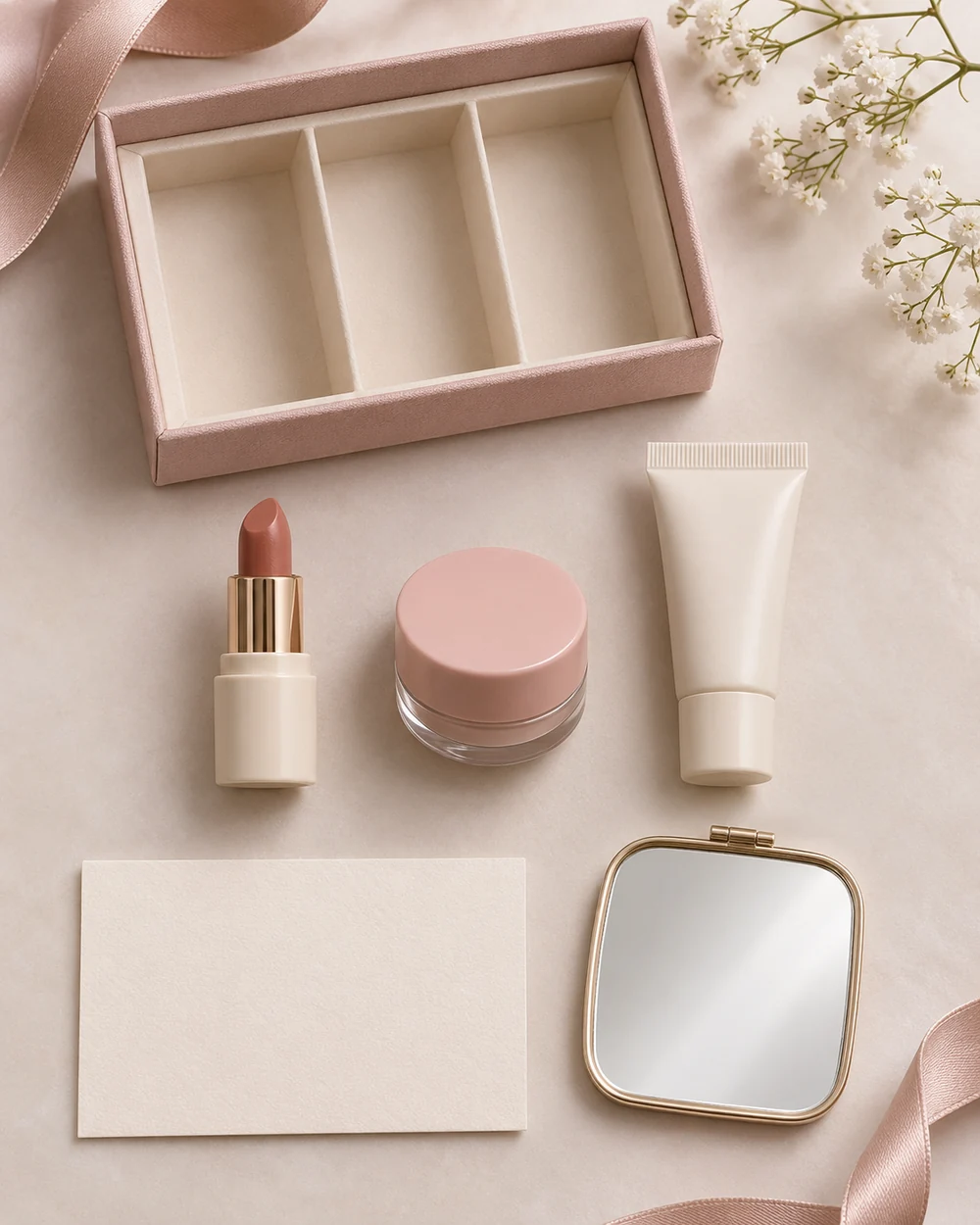
Start with the set’s full name, any edition or year printed on it, and its product code. Compare the contents list with the shapes you have: a lipstick bullet, gloss tube and lip pencil are different formulas even when their colour names resemble one another. Preserve the packaging order if you still know it; do not assume that a staged product photograph uses the same order as the tray.
An official set page can be useful here. Charlotte Tilbury’s Mini Pillow Talk Lip Kit, for example, lists its lipstick and liner separately with their formula names and shade. That makes it a useful kind of record to seek, rather than proof that a different mini bearing similar packaging is the same product. A familiar set name alone is not enough when editions or contents differ.
Look under the mini, around the base and inside the carton flaps using a magnifier or a sharp photograph that you can enlarge. Keep any leaflet. Consumer guidance from the Office for Product Safety and Standards explains that information may be on outer packaging or an enclosed leaflet when space is limited; the small container is not the only place worth checking.
You have a code, but do not know what it means
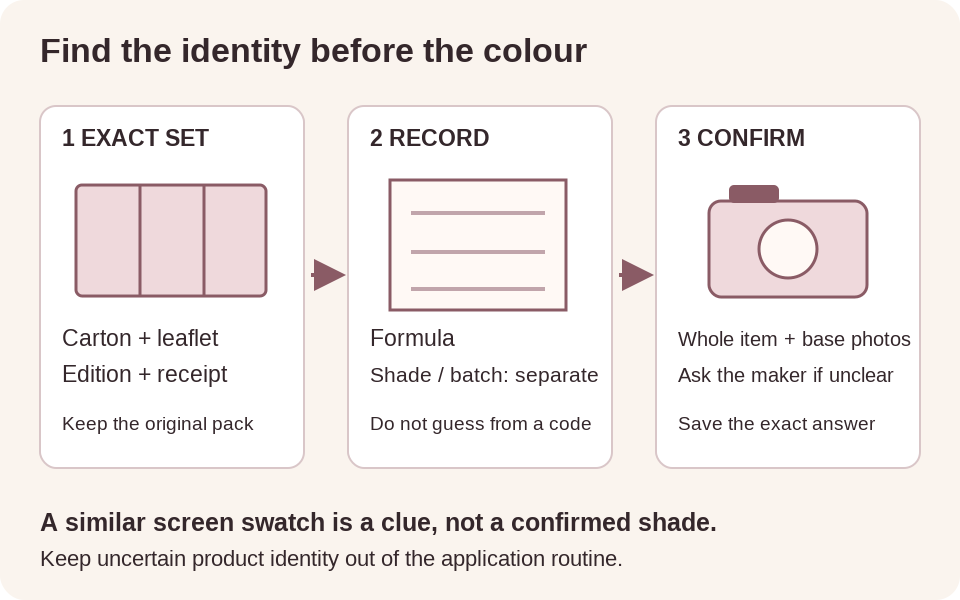
Write the code down exactly, including spaces and letters. Keep a shade name, product reference and batch code as separate notes unless the maker confirms their meaning. The OPSS guidance lists an identification reference such as a batch number, but that does not make every short code a shade number.
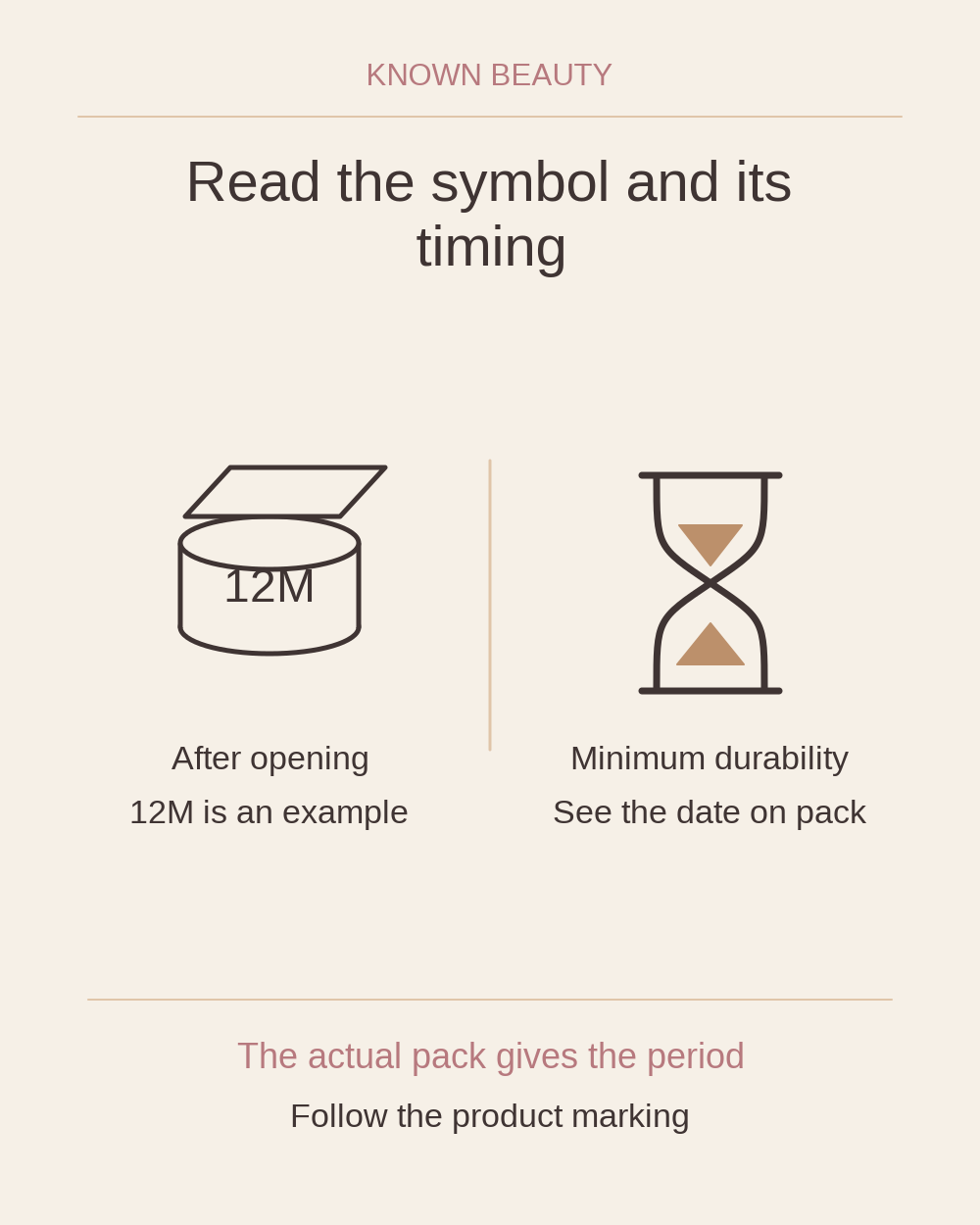
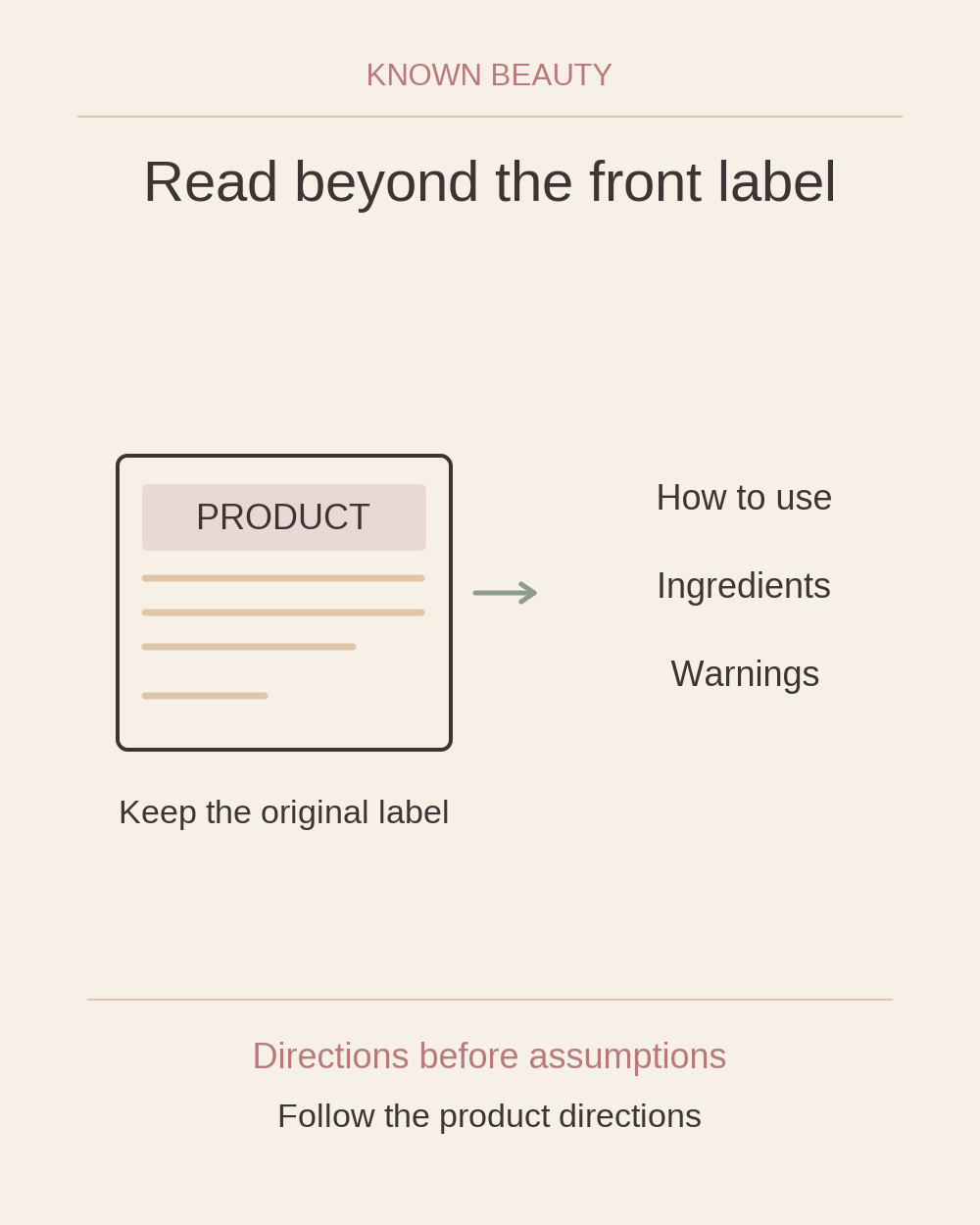
Photograph the code before attaching a new label or discarding the pack. A receipt can establish which set was bought; it may not identify each shade inside it. The makeup-label reading guide explains the different jobs of product identity, directions, ingredients and durability information.
The packaging has gone and the photographs look close
Search the maker’s official site using the formula name, mini size and any surviving set details. Compare shape and finish as clues, without presenting the nearest screen colour as a confirmed match. Do not open or dismantle a container just to look for another code, or transfer an unknown product into a container labelled for something else.
If you cannot connect the mini to one official contents list, prepare one clear enquiry for the maker or original seller. Include photographs of the whole mini, base, cap, any codes and the complete set if you have it. Add the purchase date and order reference privately where relevant. Ask two separate questions: “Which formula is this?” and “Can you confirm its shade?”
When an answer is confirmed, retain it with the photographs and label the outside without covering the original information. A personal note such as “rose mini from the December gift” can help you find it today, but keep that separate from a manufacturer-confirmed shade name.
If the product’s identity or intended application area remains unclear, leave it out of the routine until that is resolved. You do not need to test an unknown mini on lips or eyes to complete the identification.
Choose tools and products for the job you need. Check the directions, care information and any compatibility guidance for your own items.